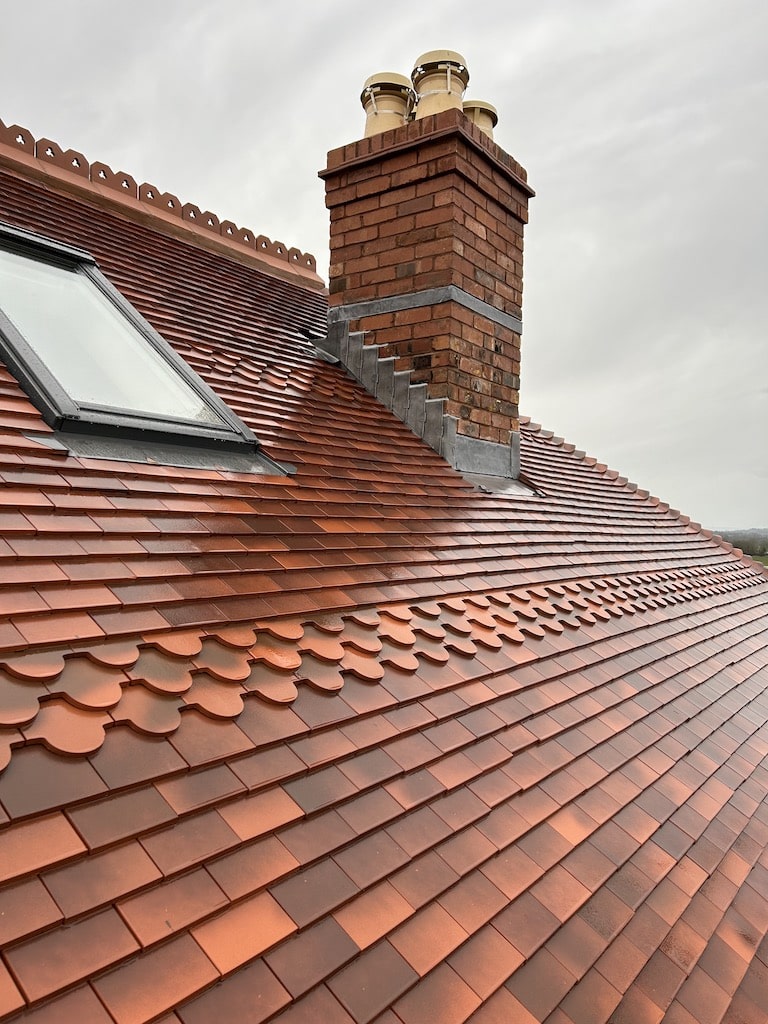
Having completed various projects over the past decades in and around Budleigh Salterton, it is always a pleasure to be invited back to east Devon make another mark. Our clients for this project had grand ideas for the roof work and after our very first meeting I was left with a feeling an overwhelming gratitude.
The principal builder and both the husband and wife who recently purchased this lovely Georgian, were making it very clear that this roof needed to be long lasting, clean, individual and artistic to the core.
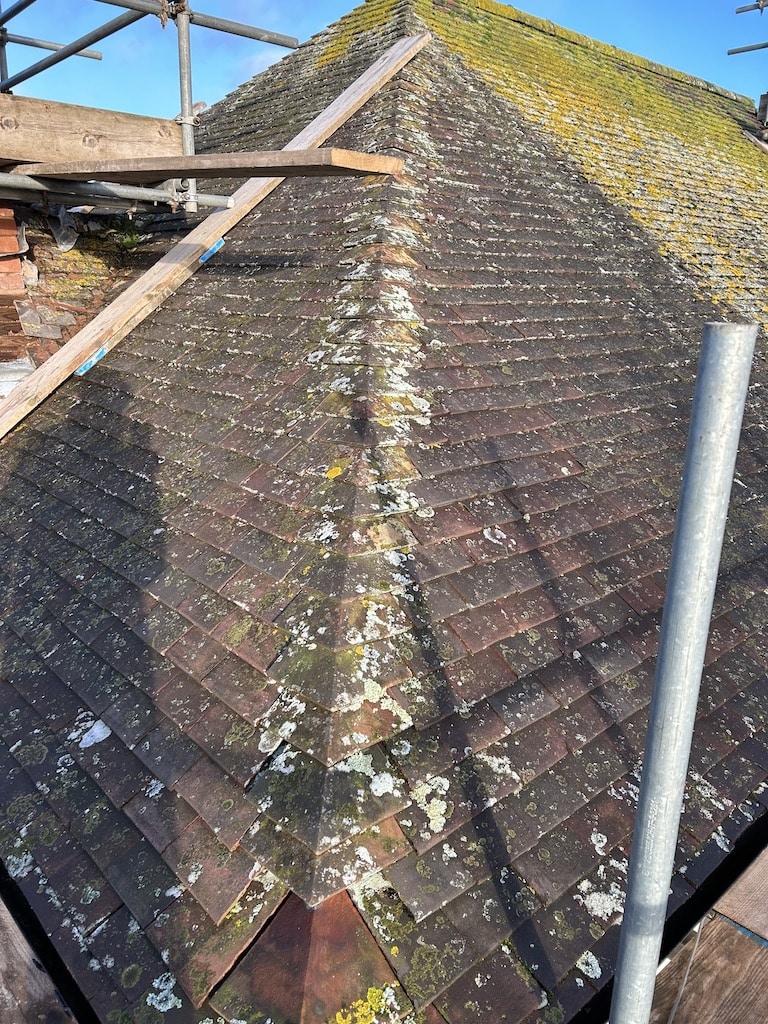
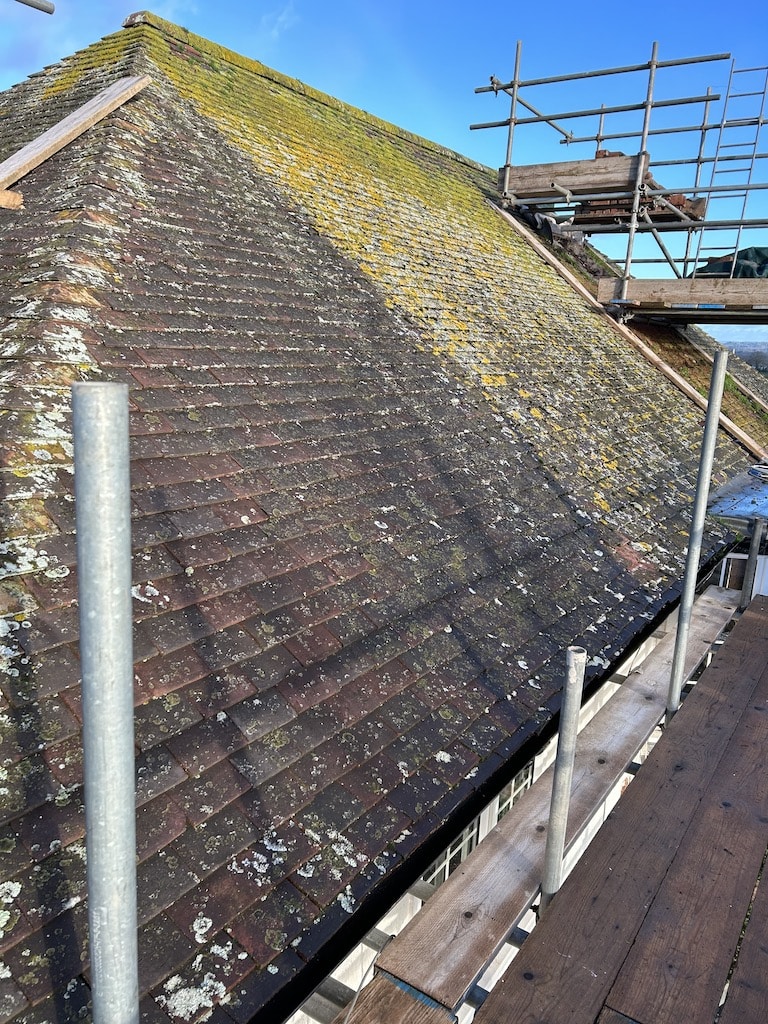
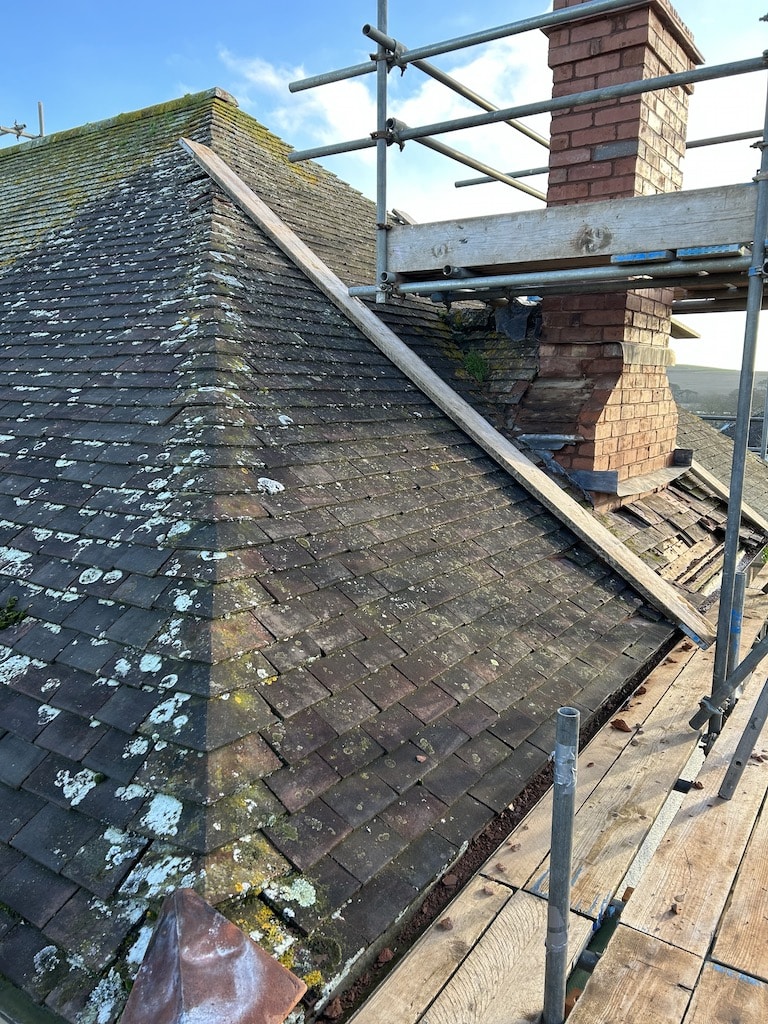
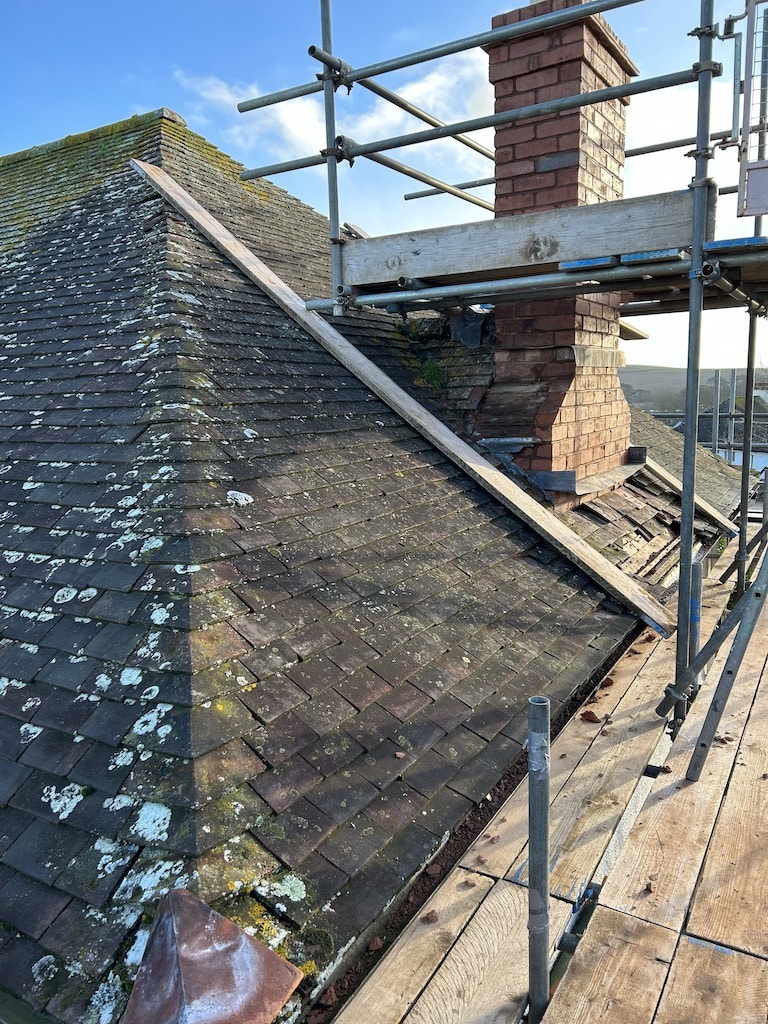
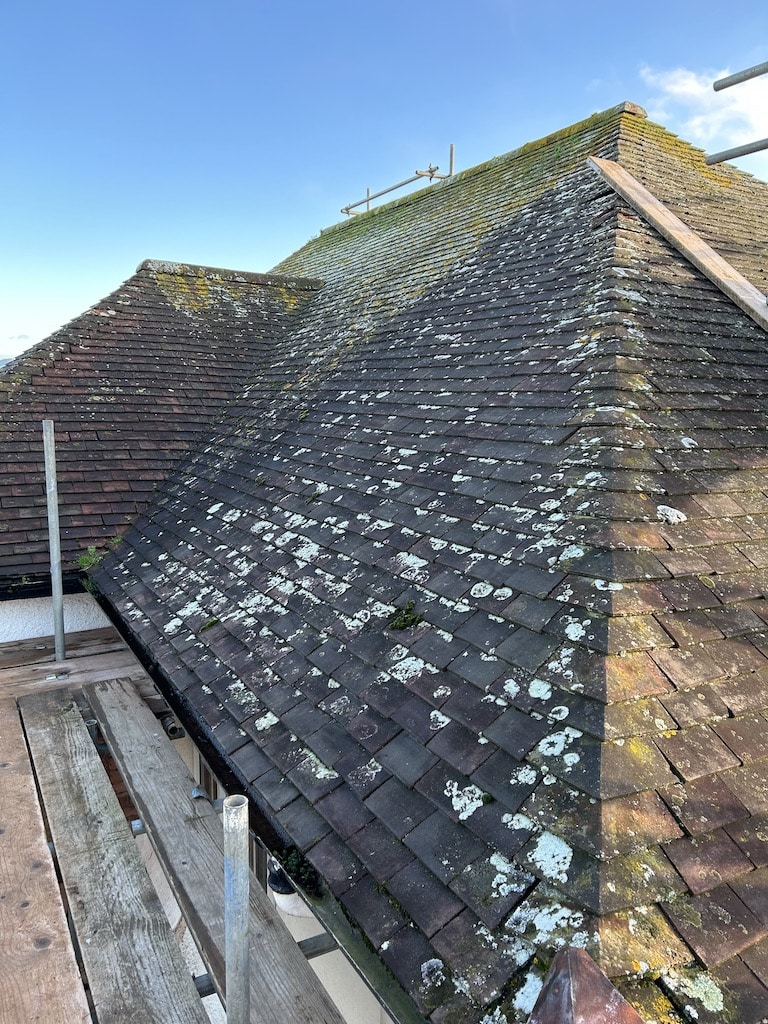
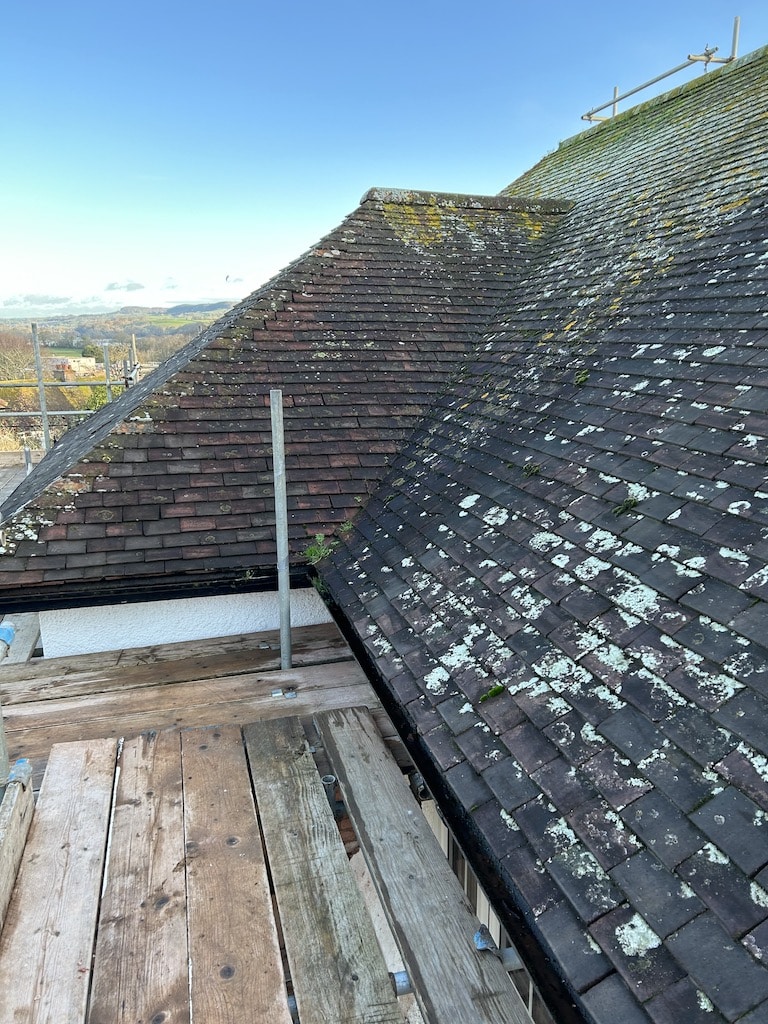
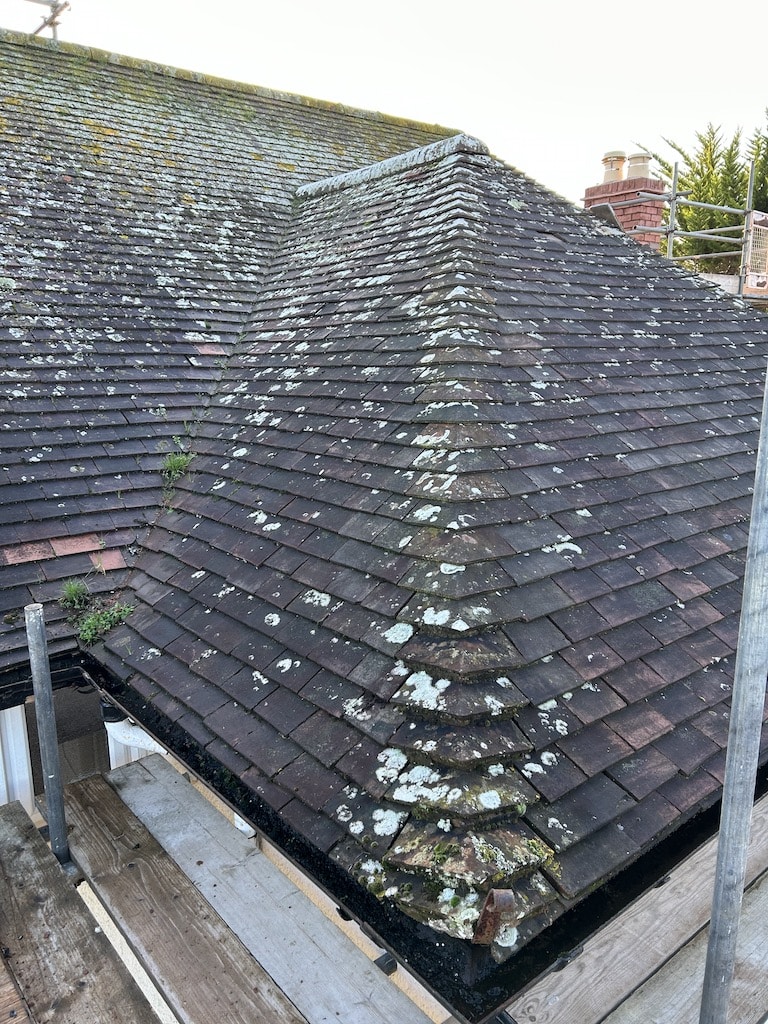
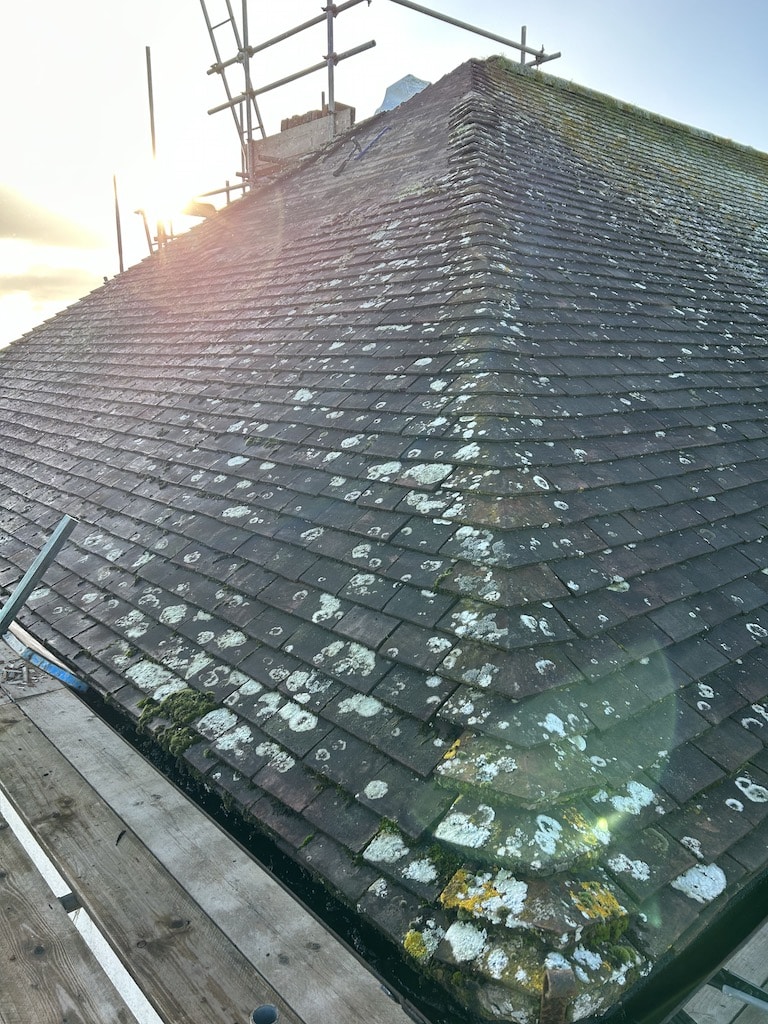
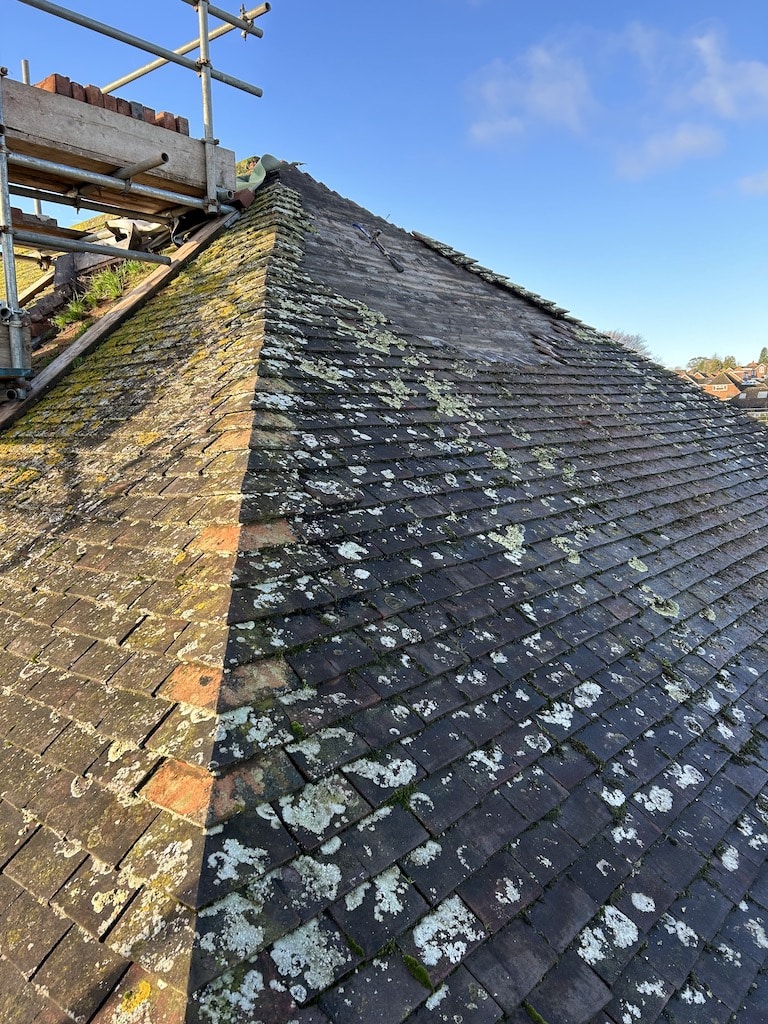
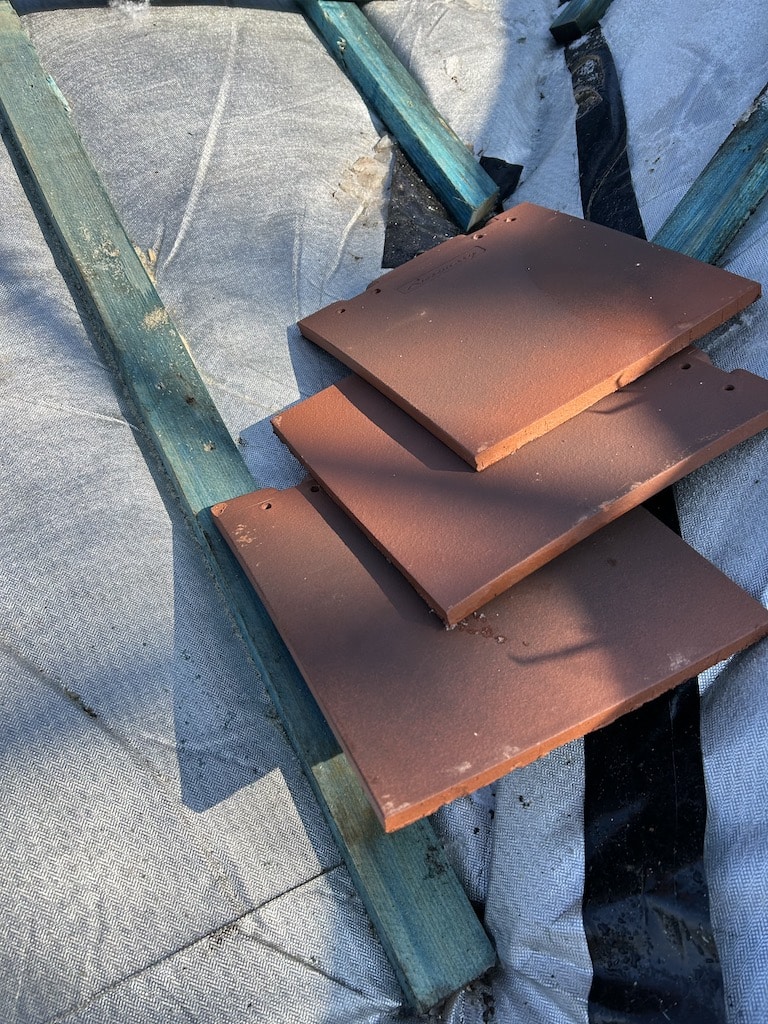
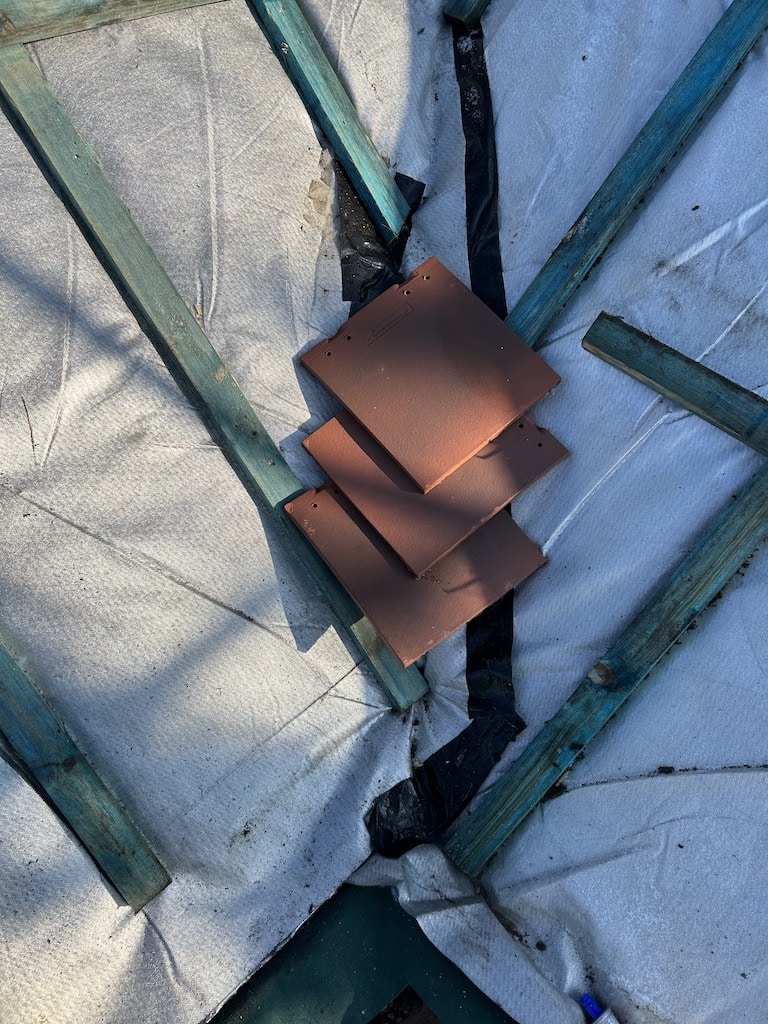
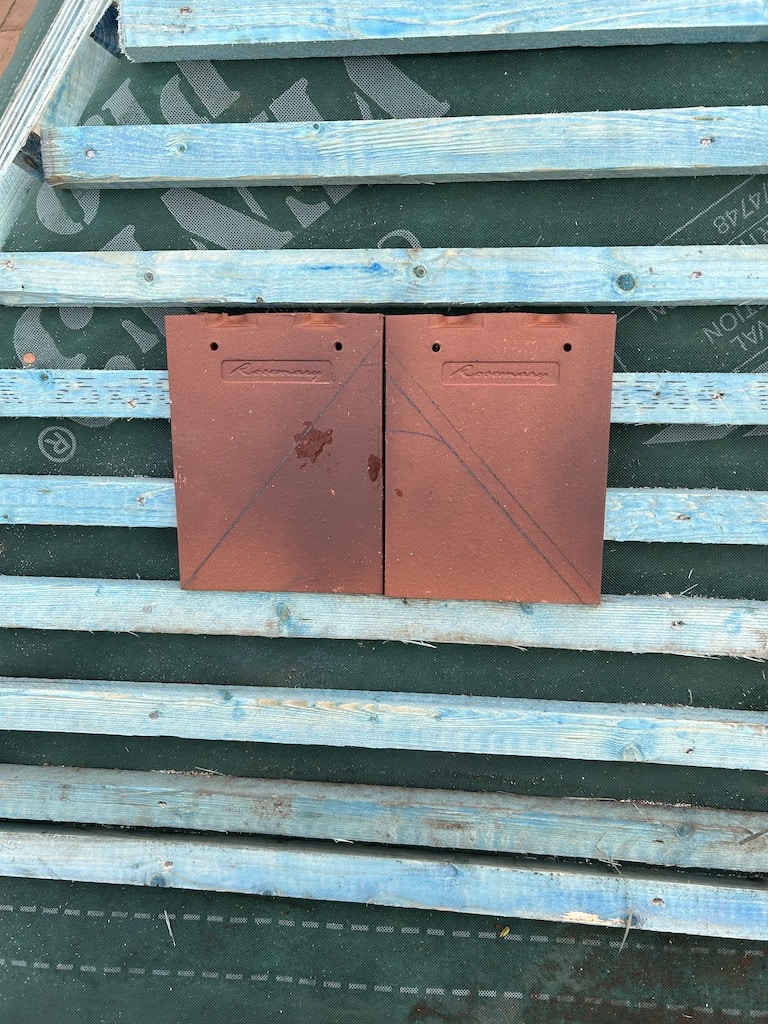
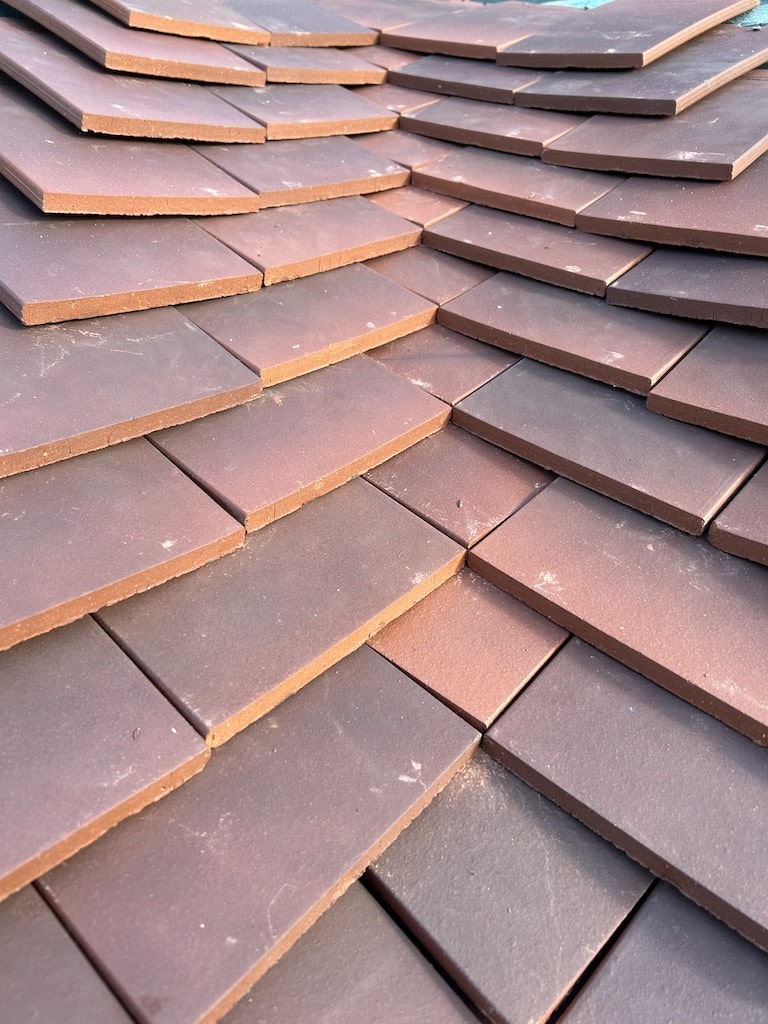
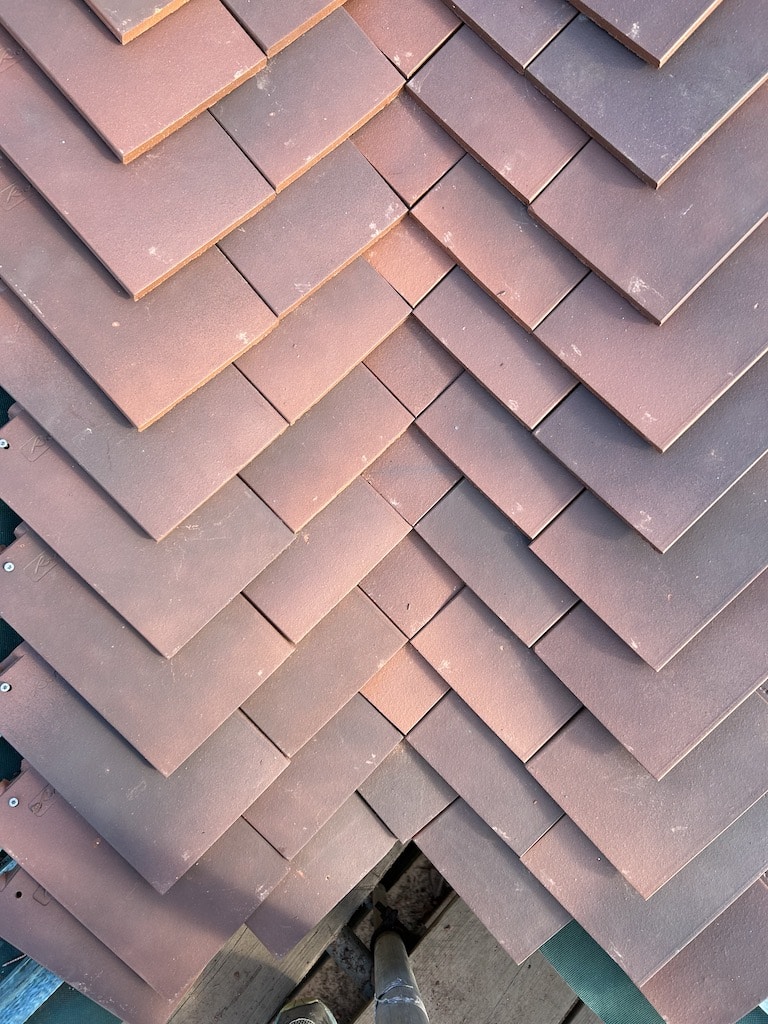
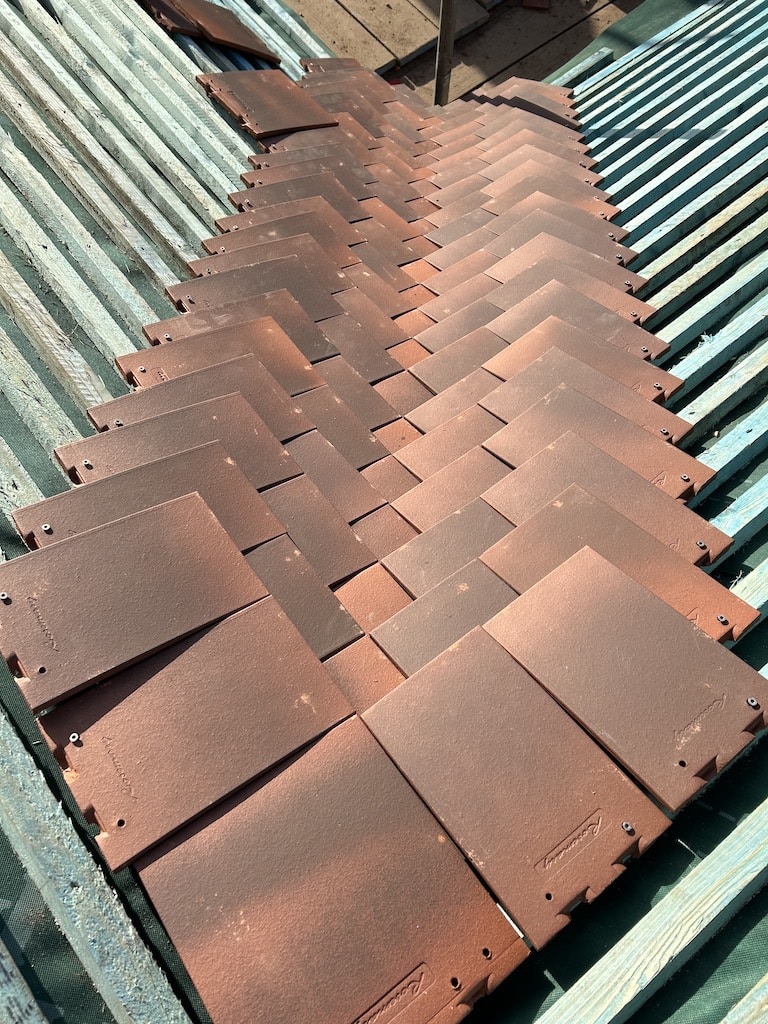
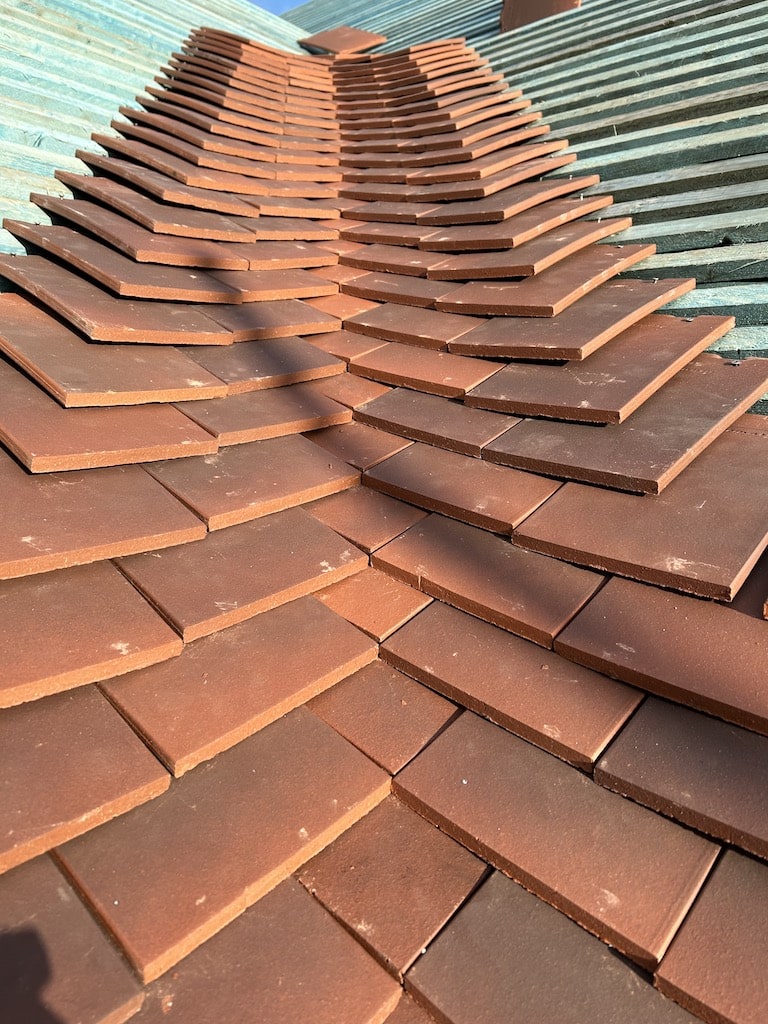
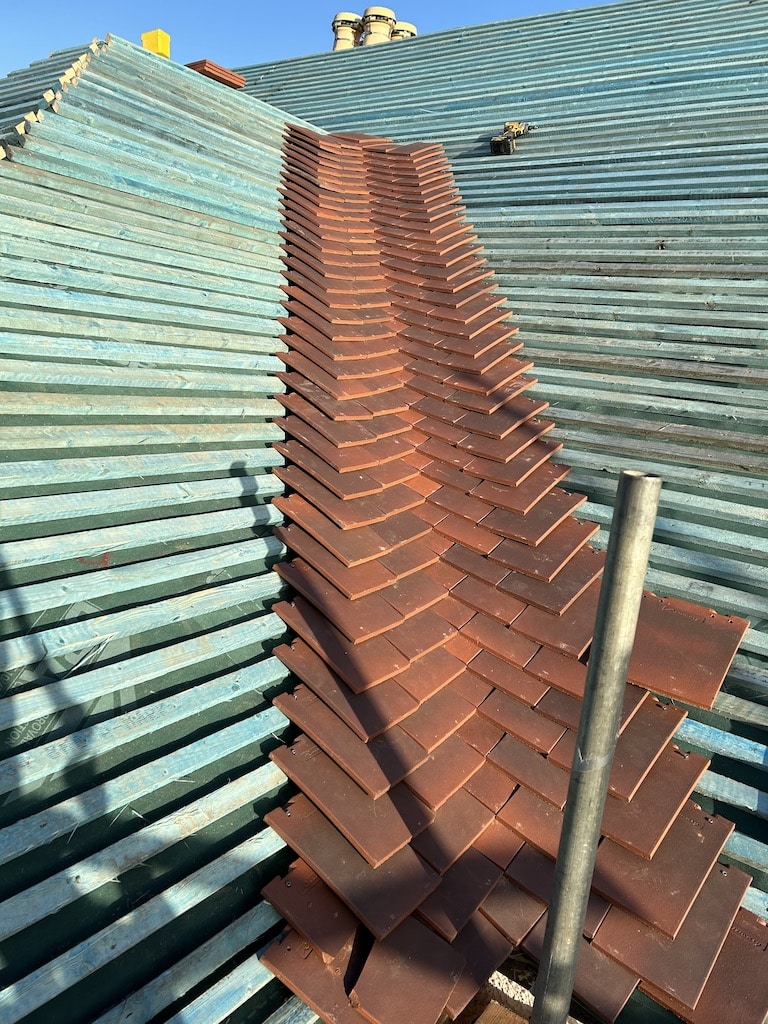
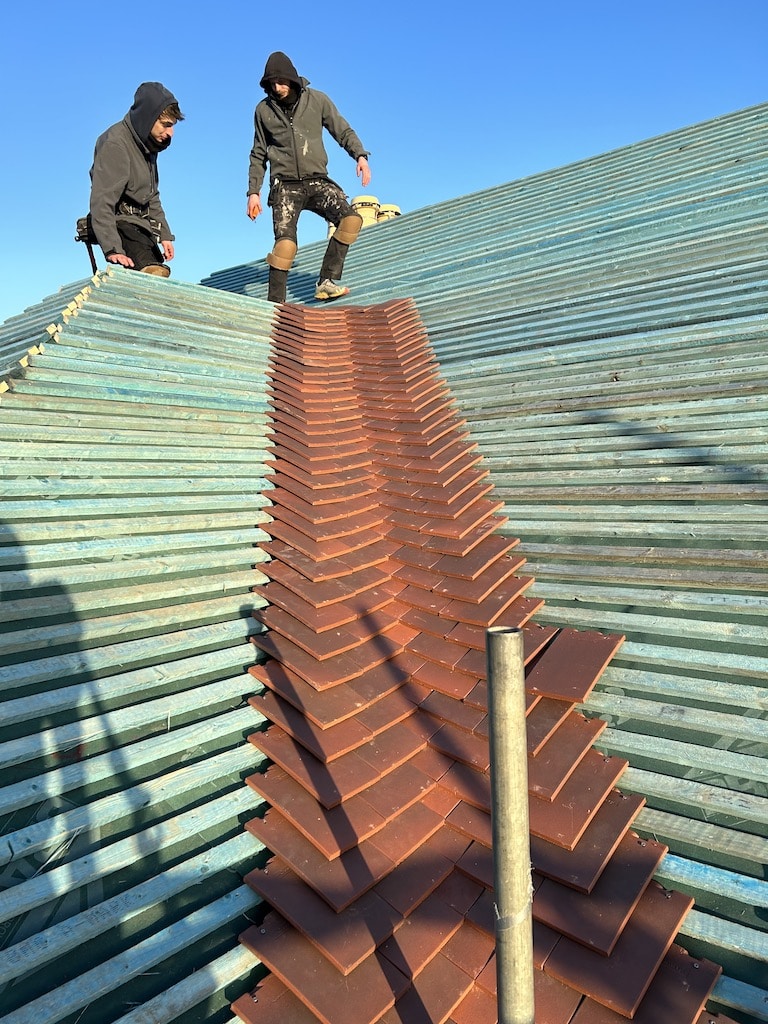
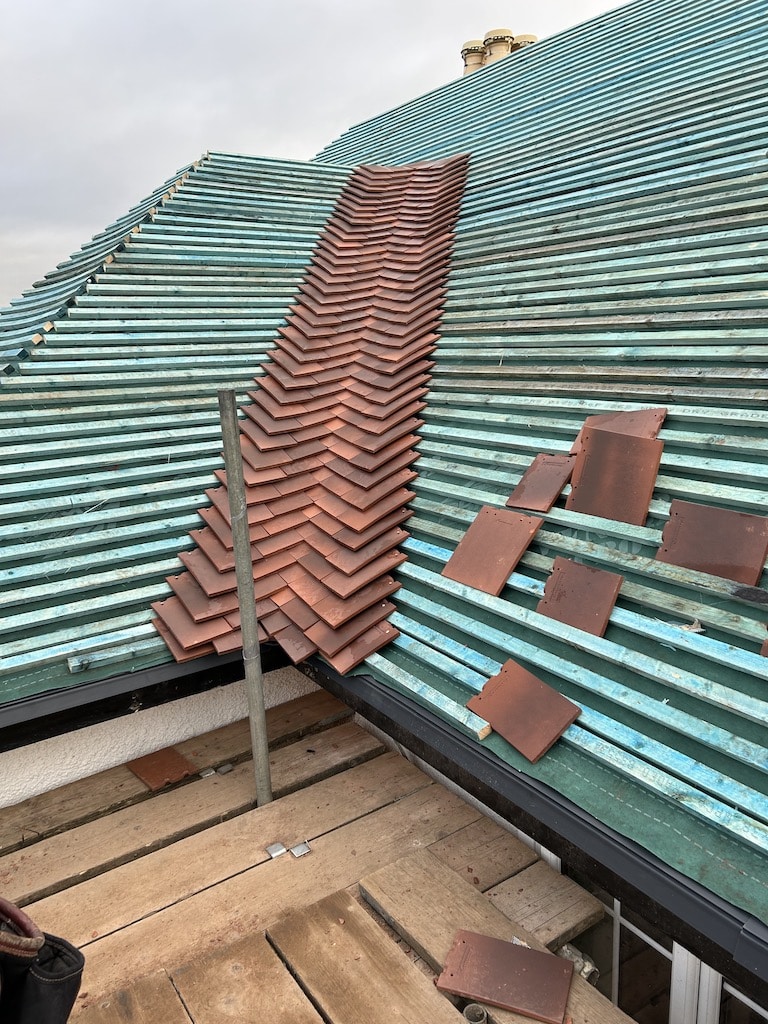
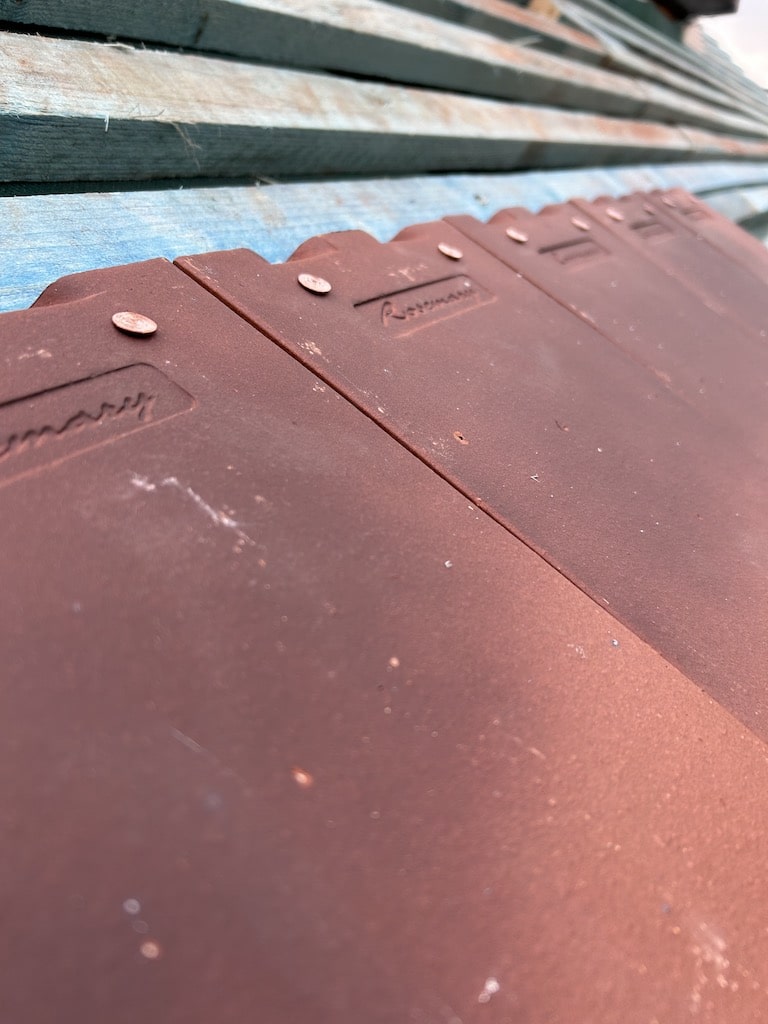
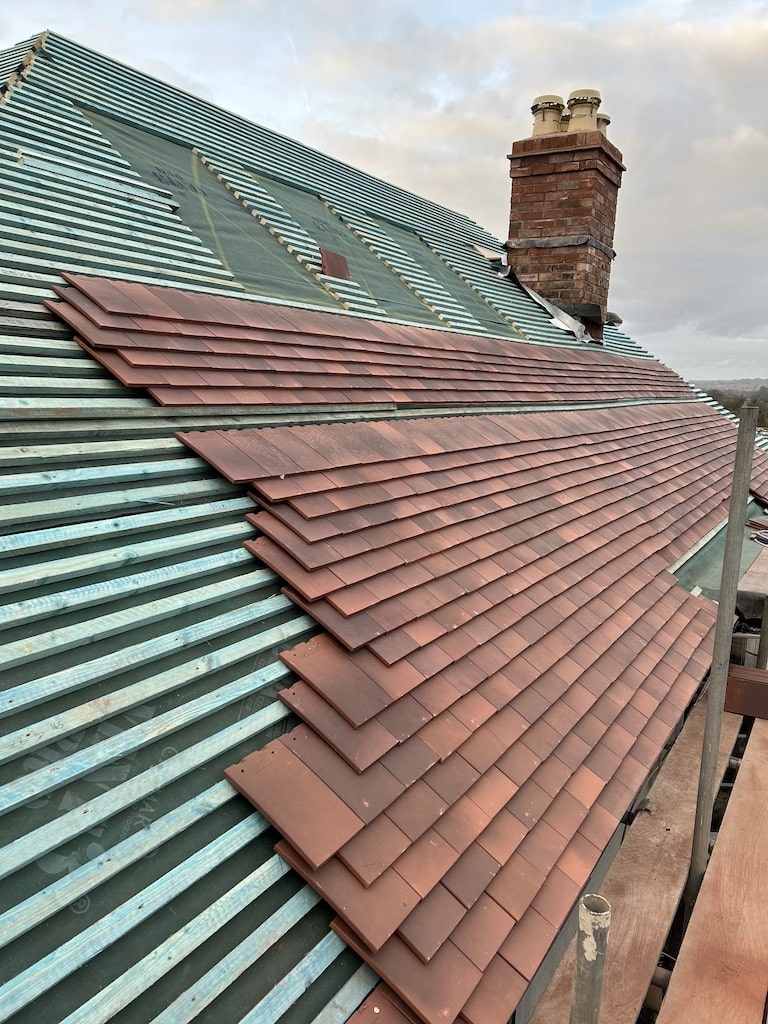
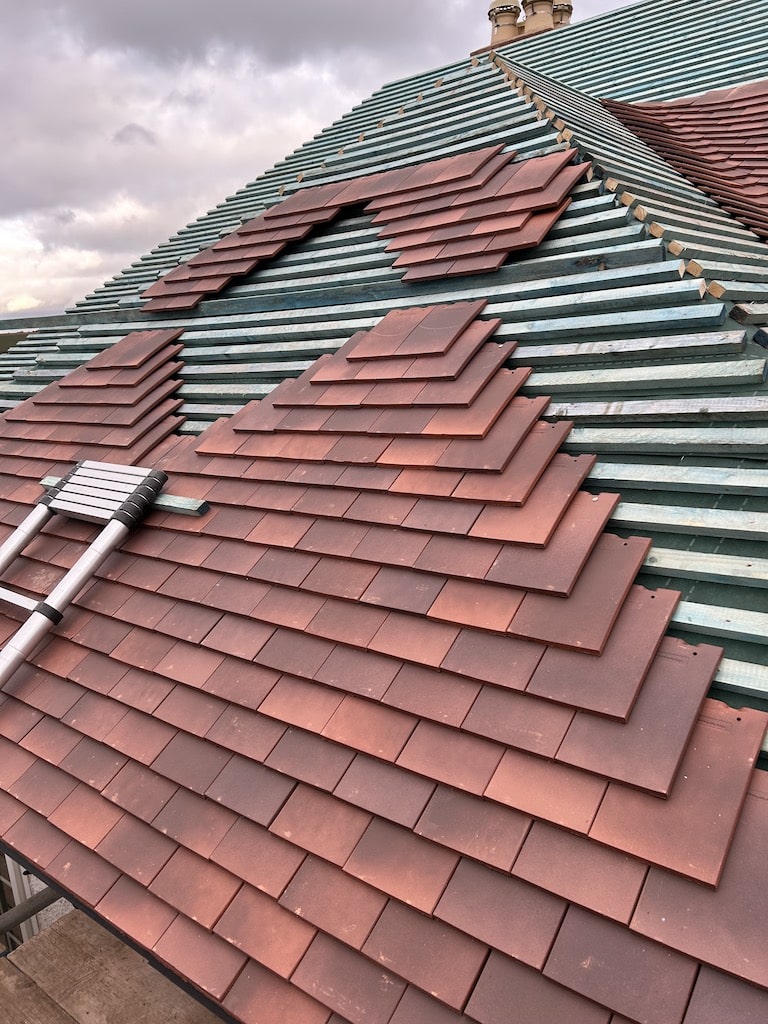
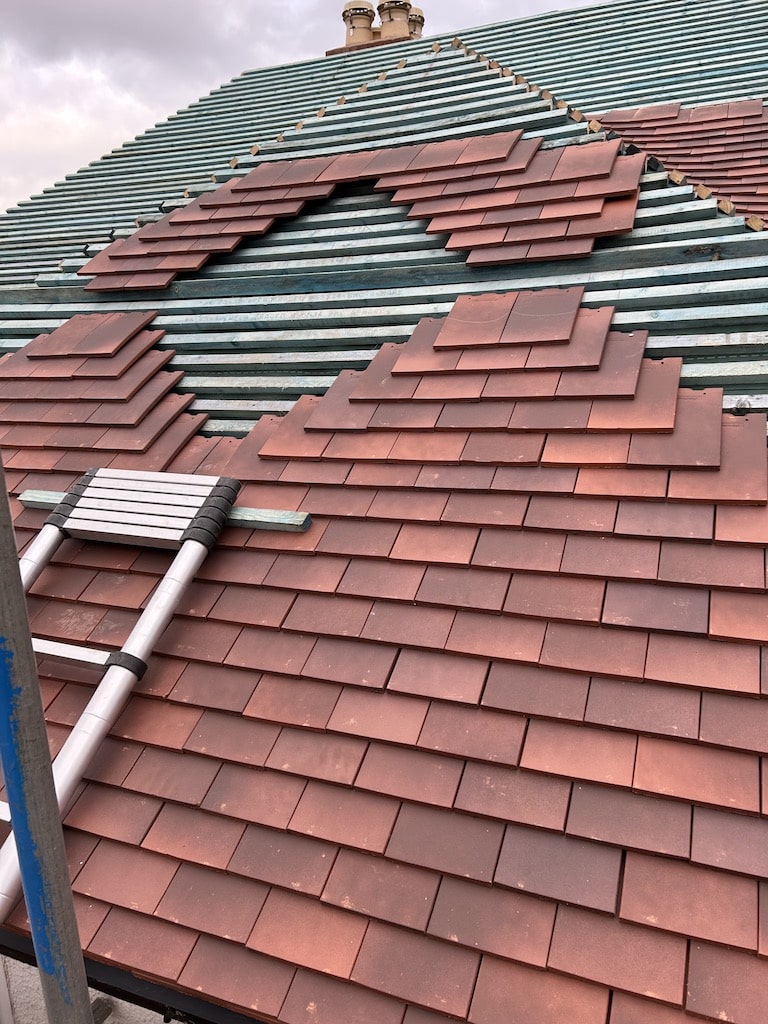
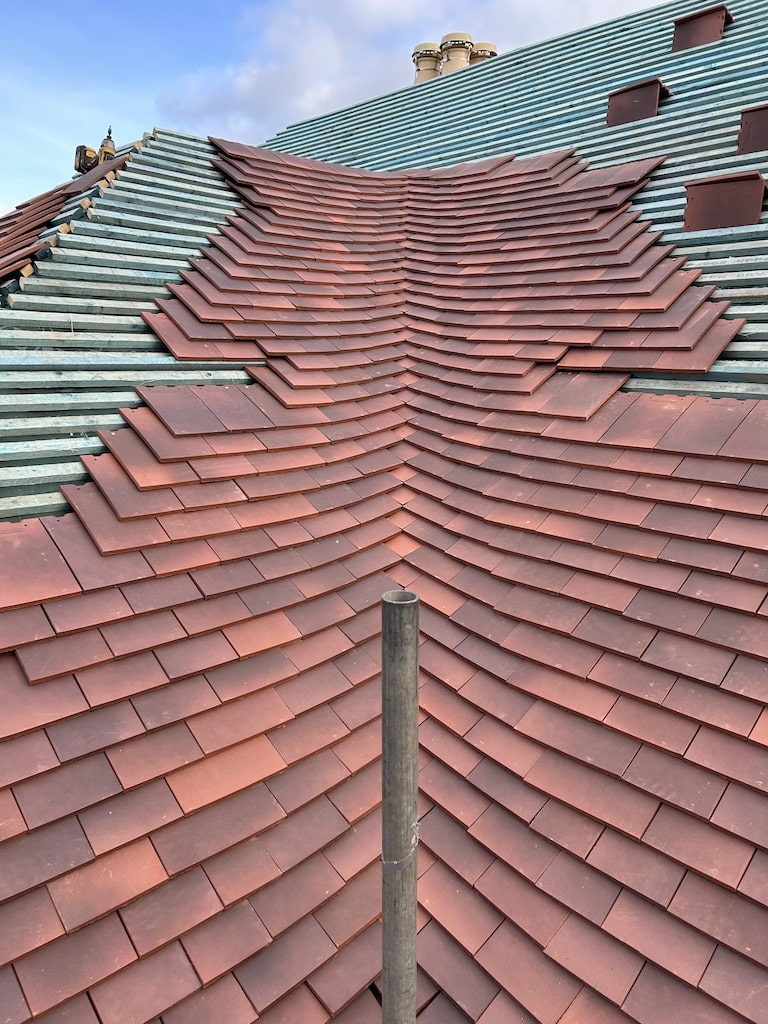
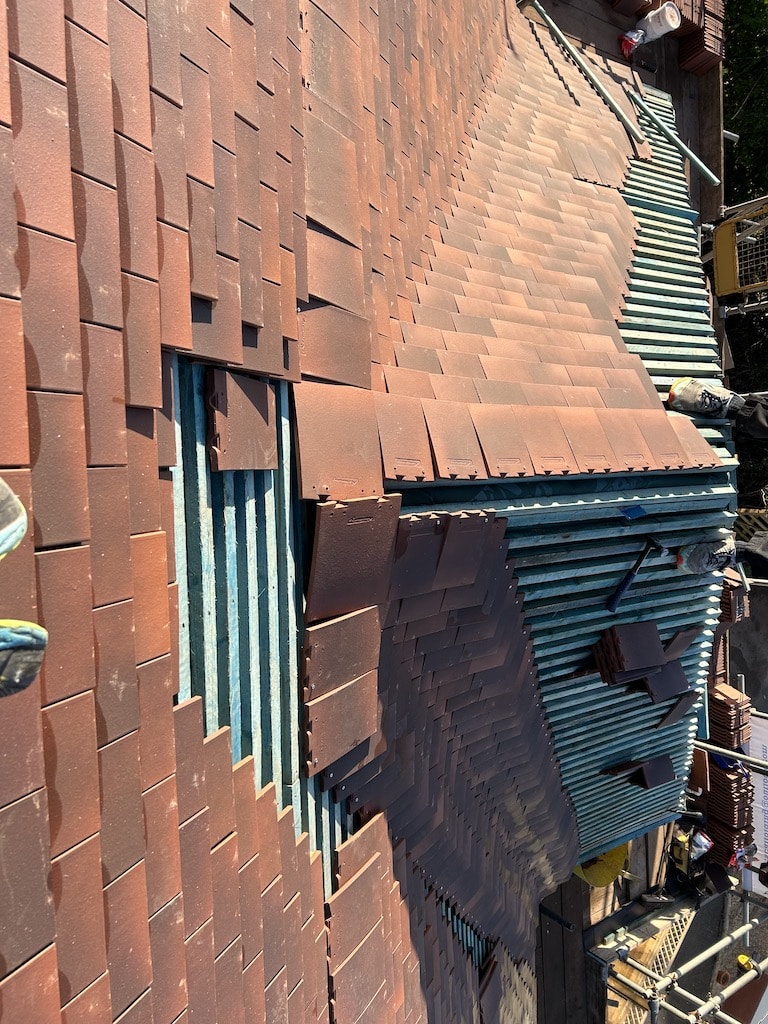
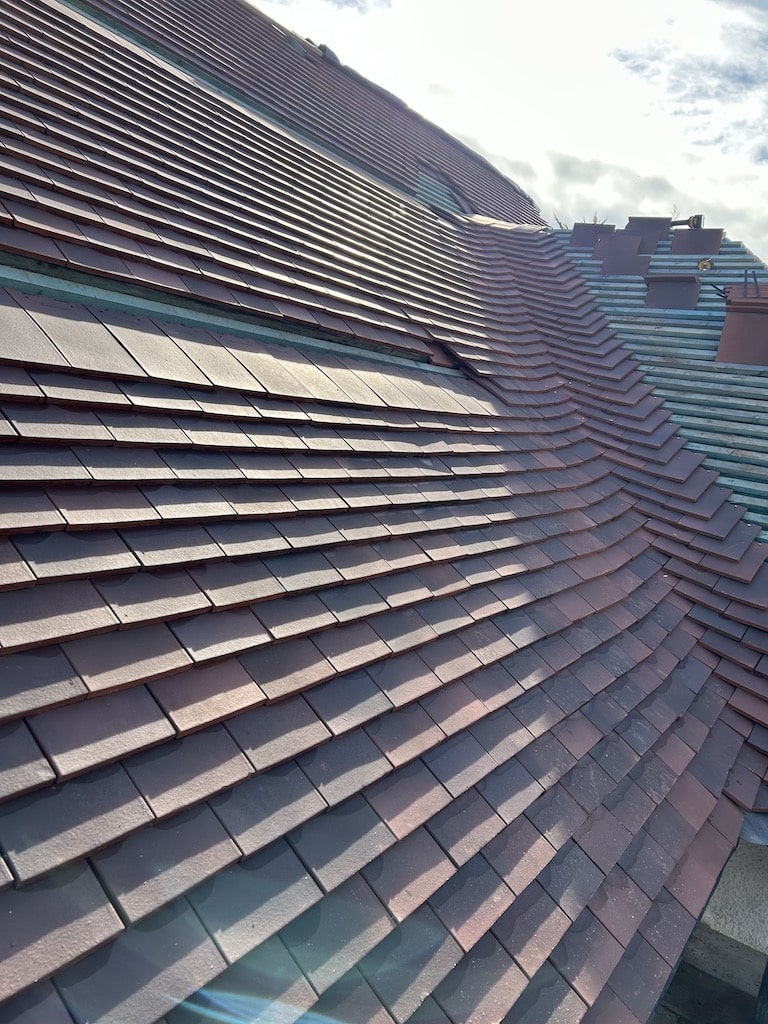
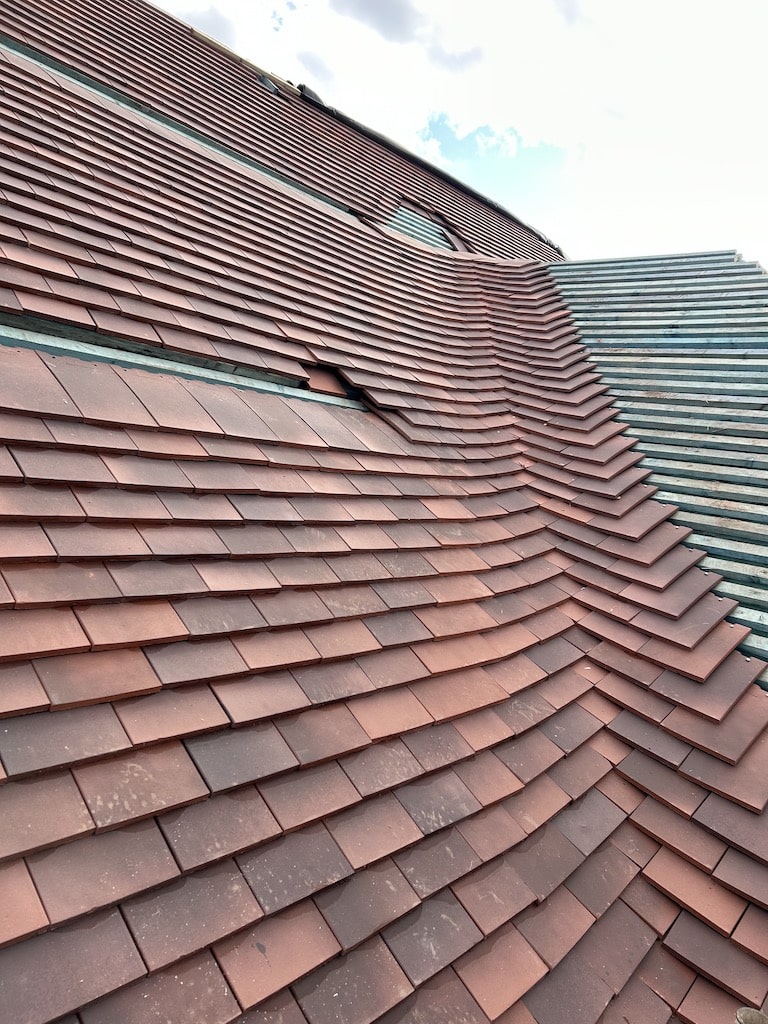
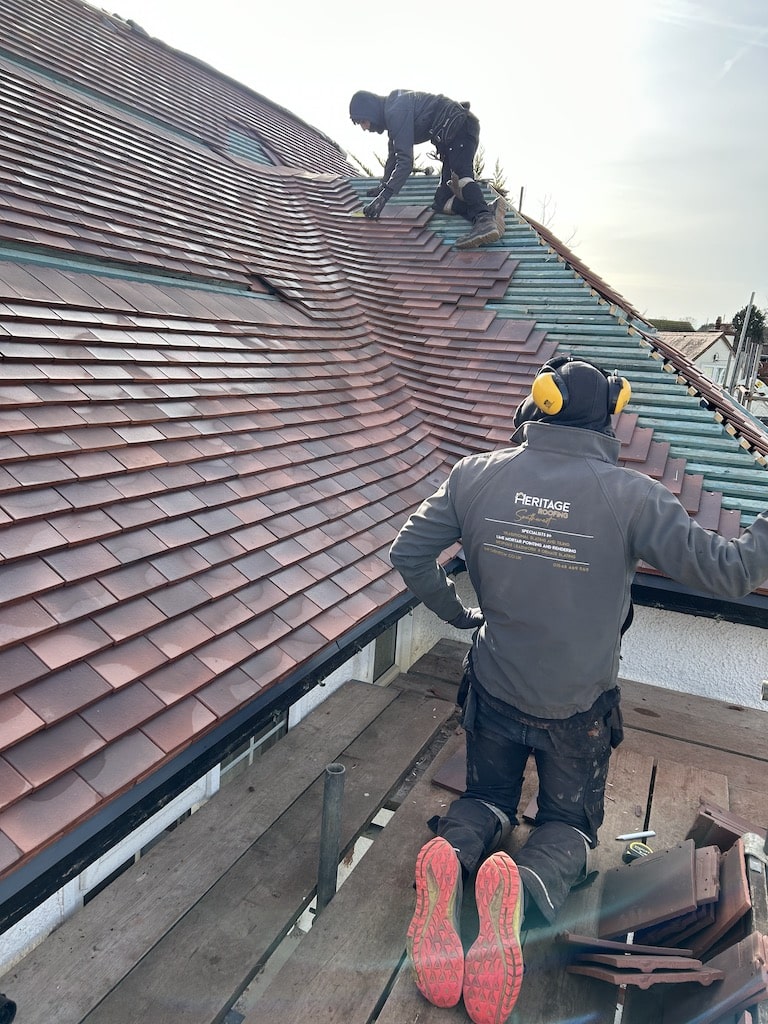
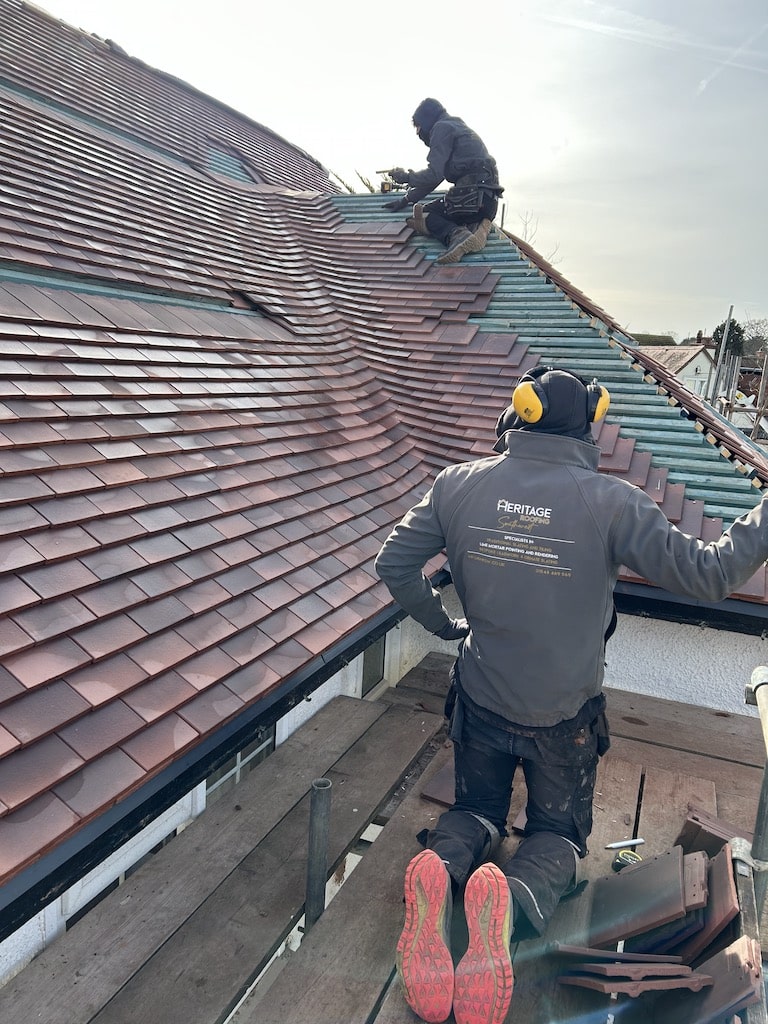
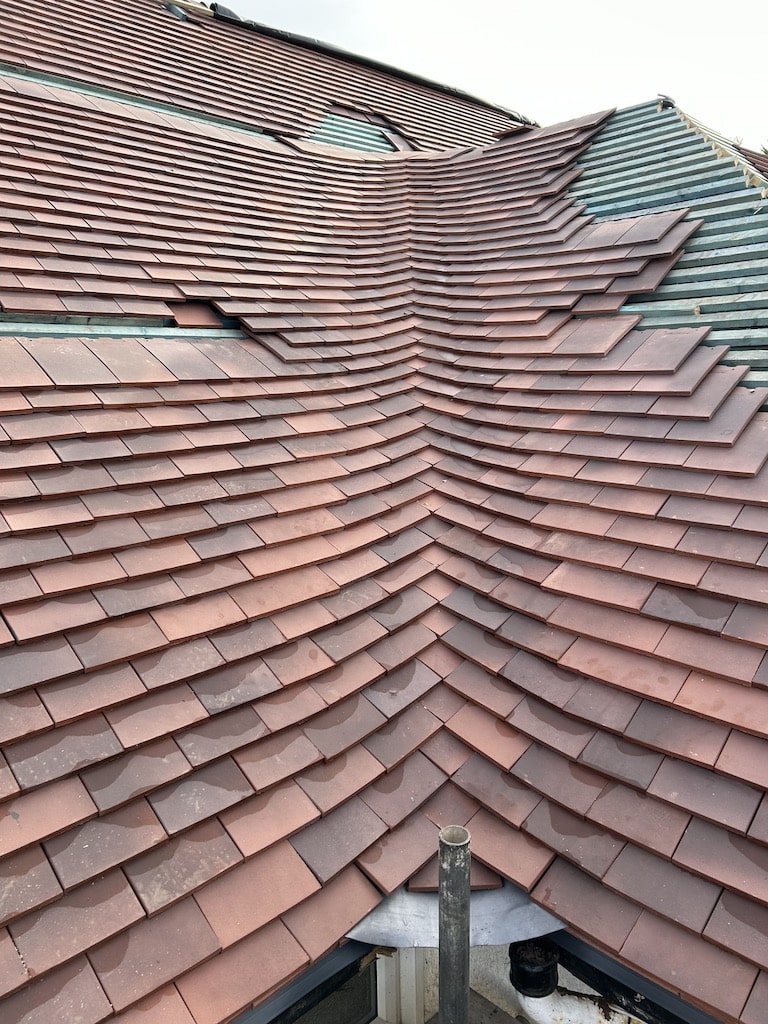
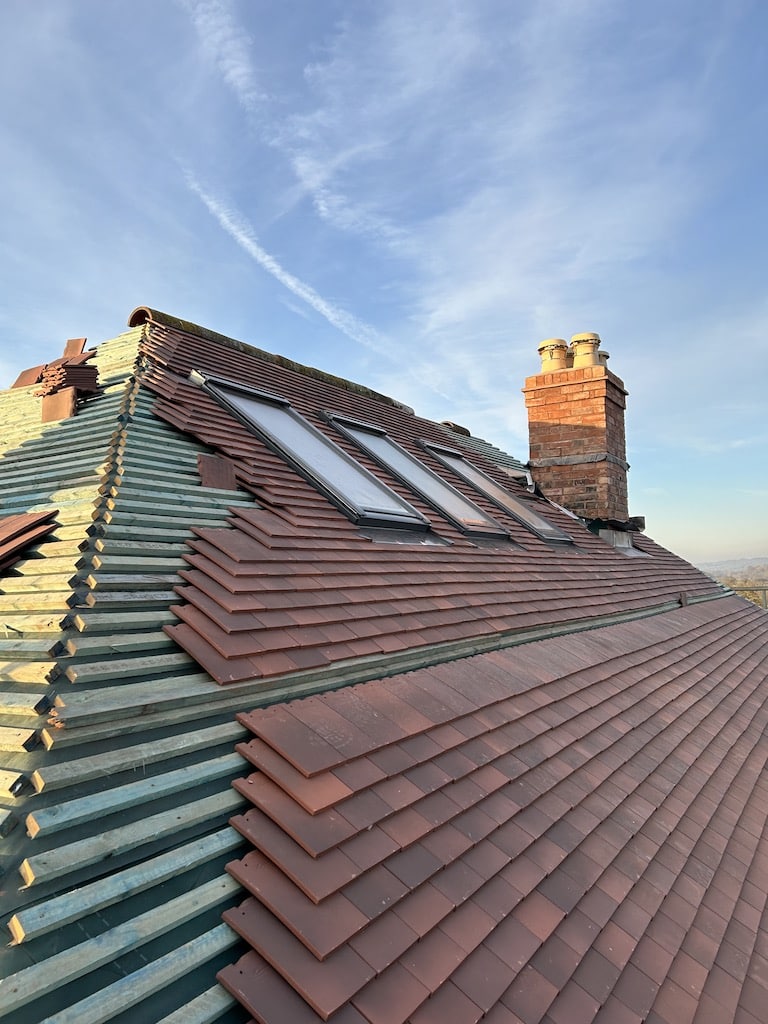
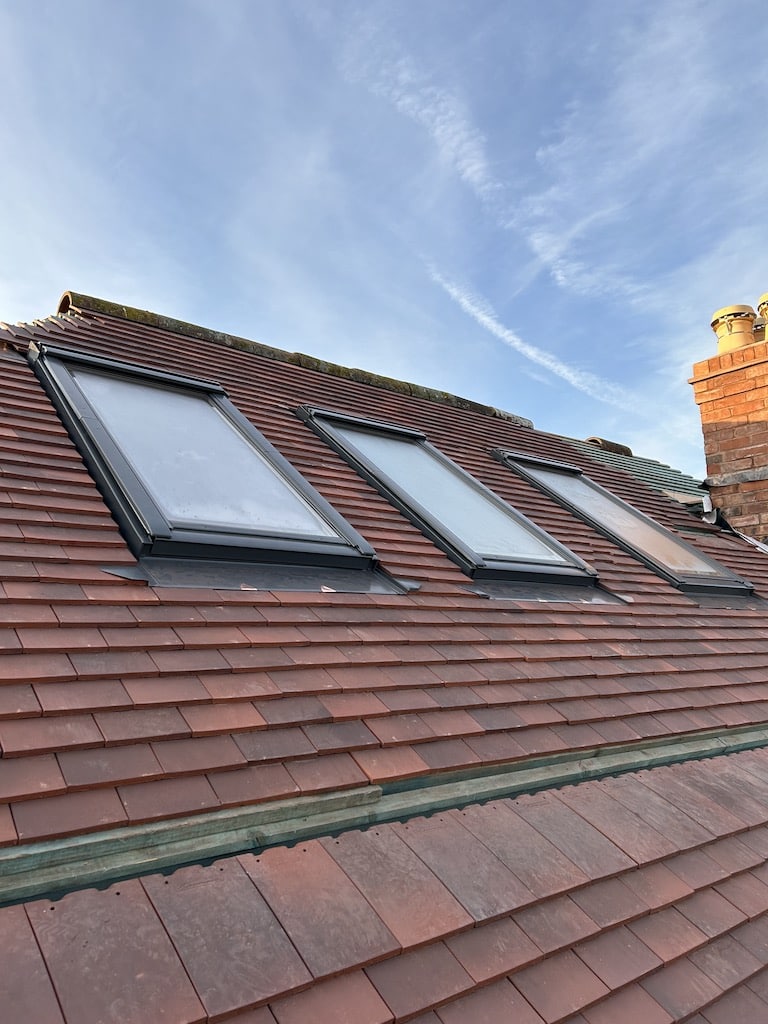
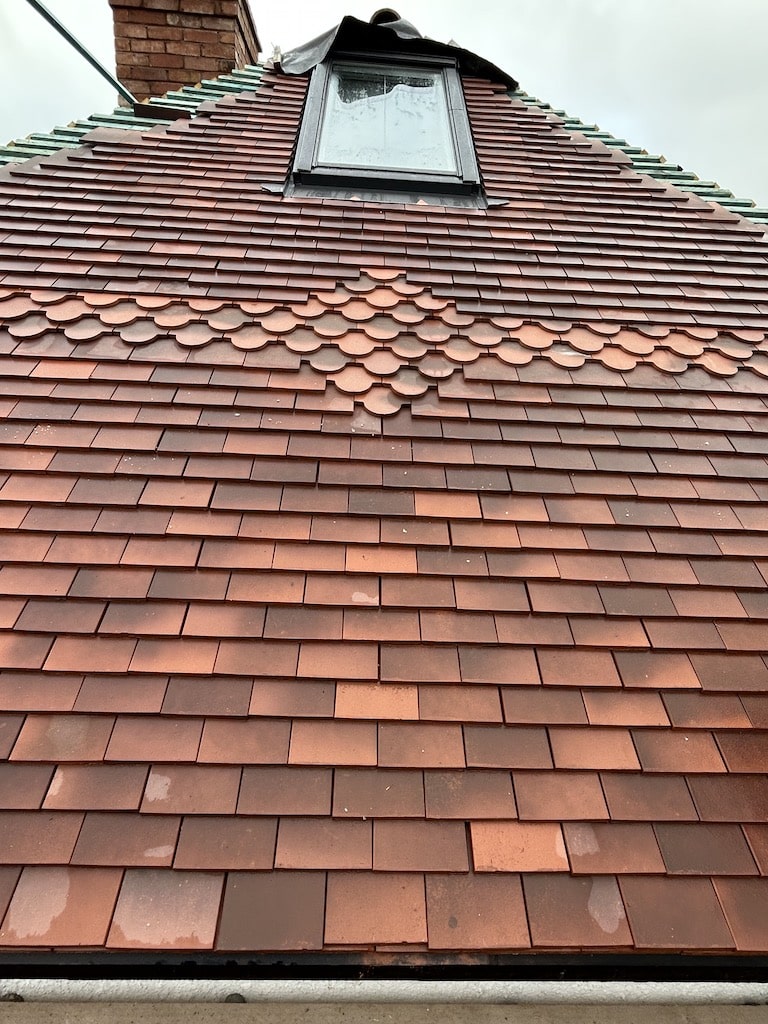
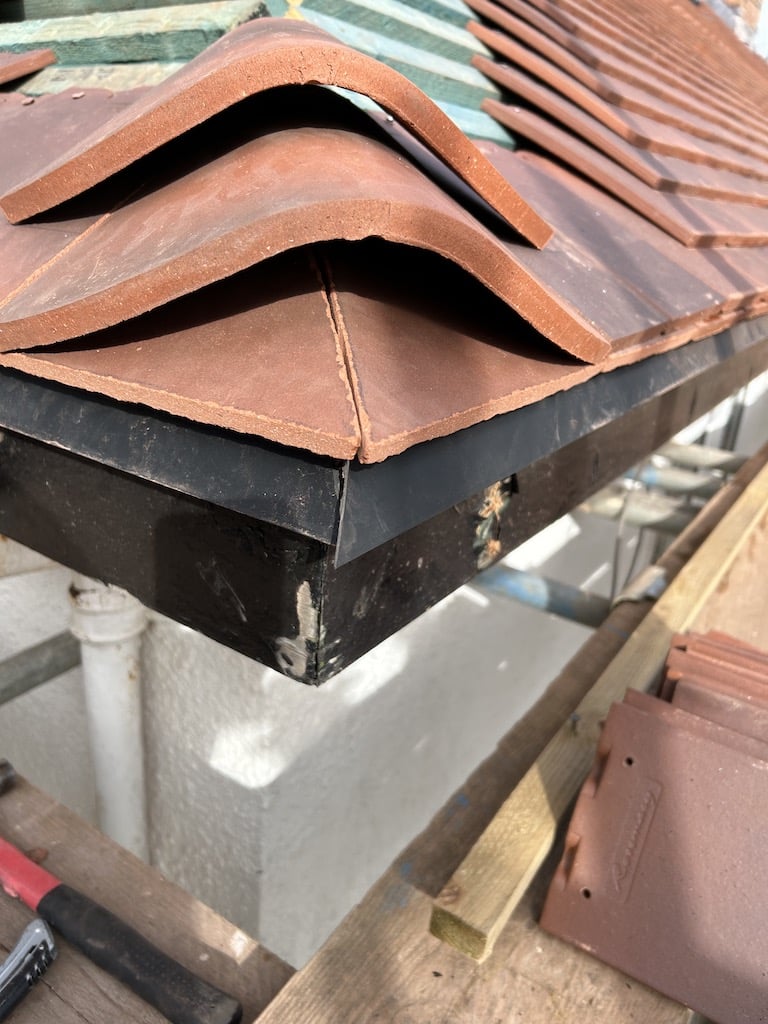
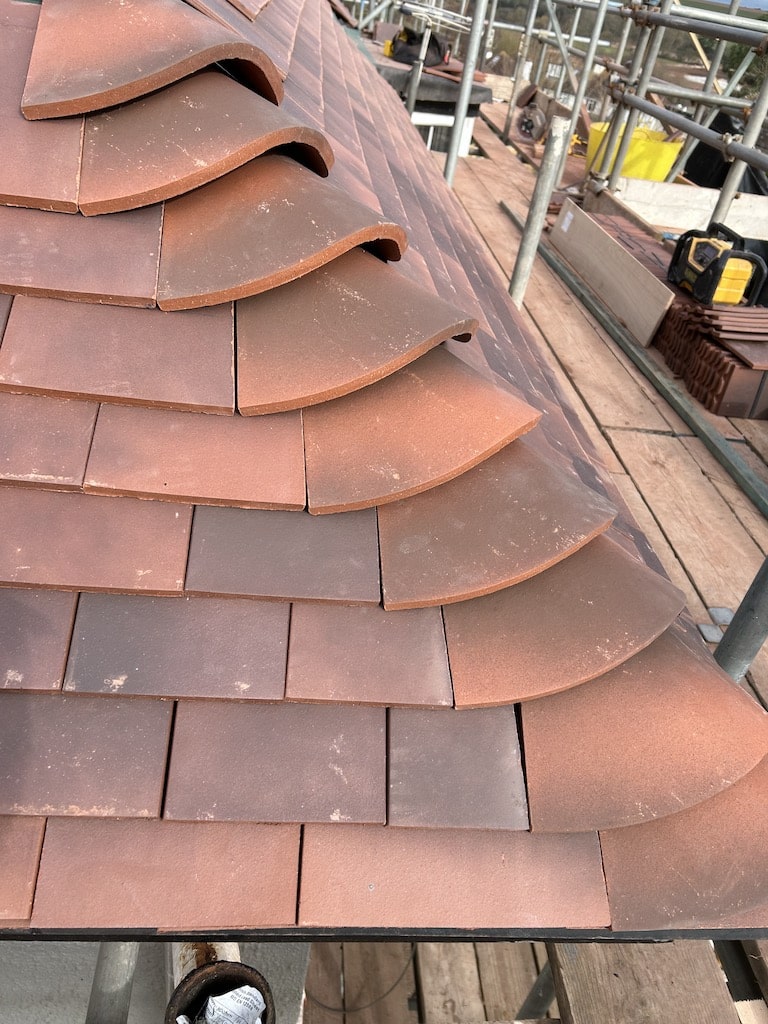
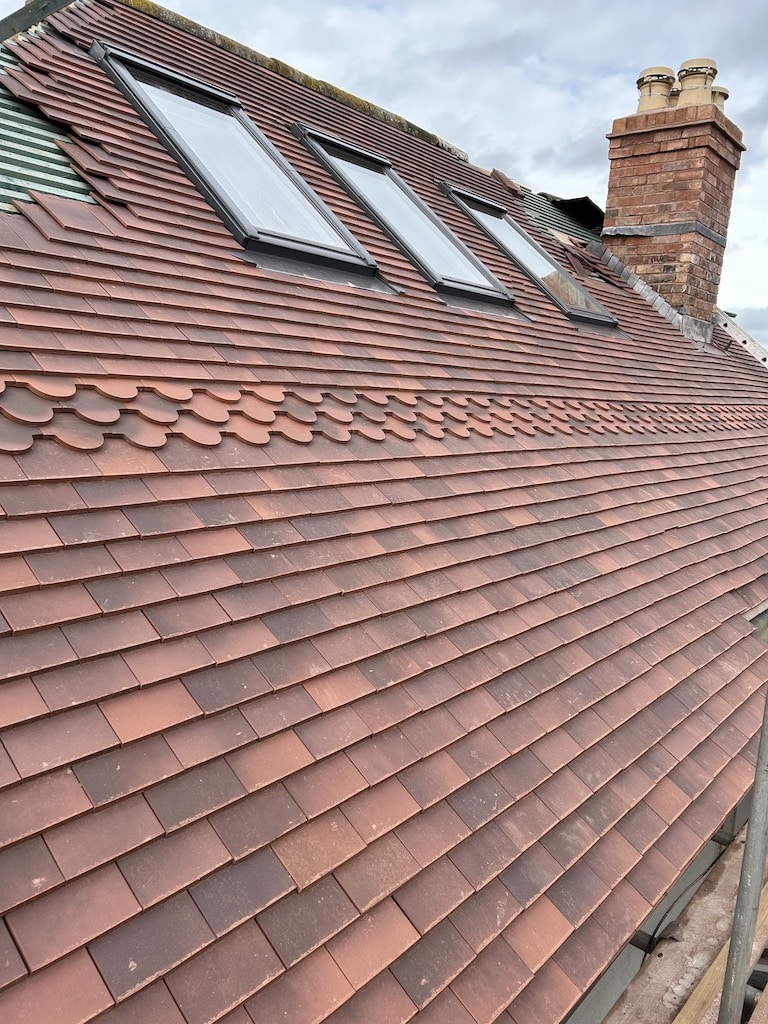
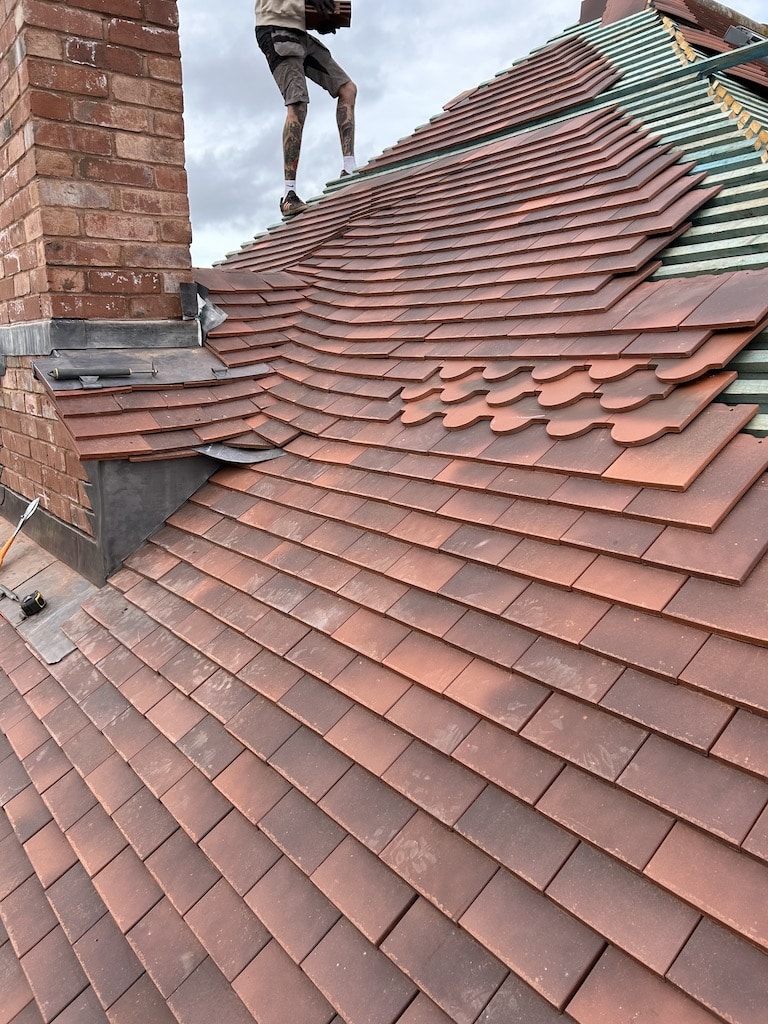
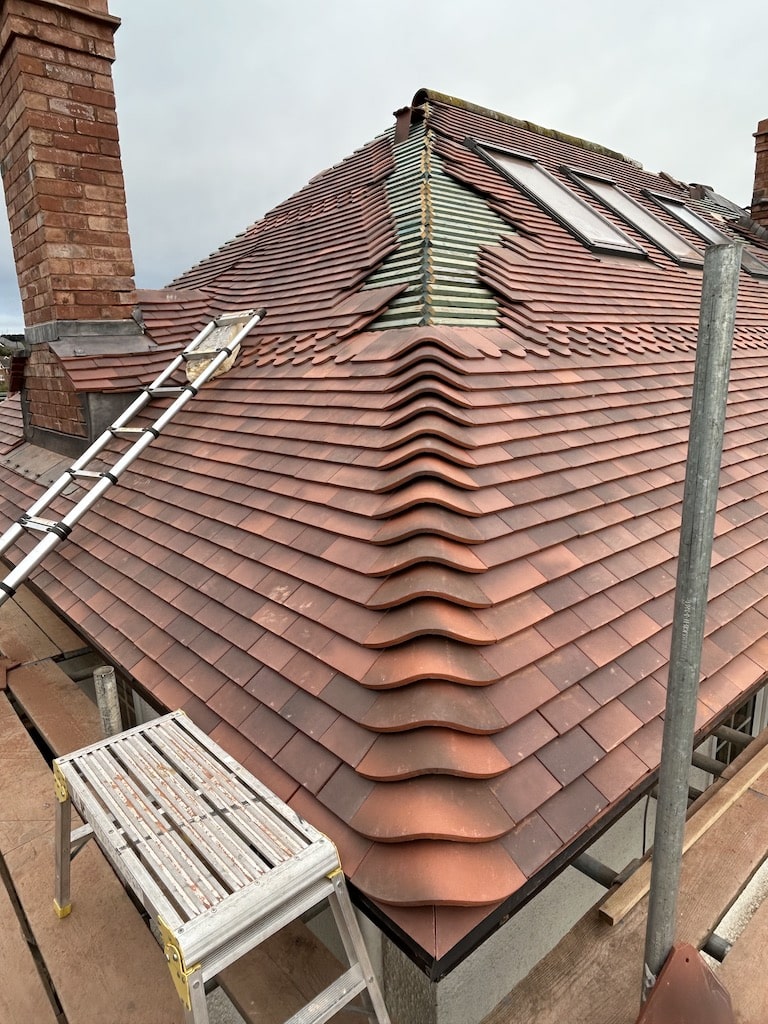
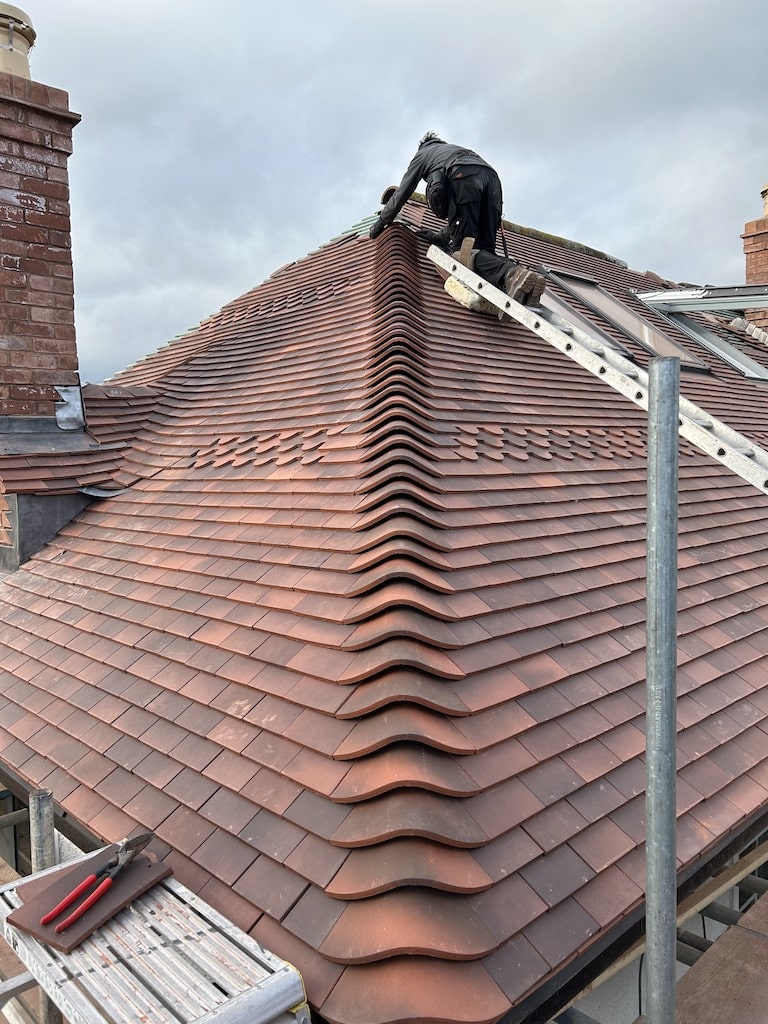
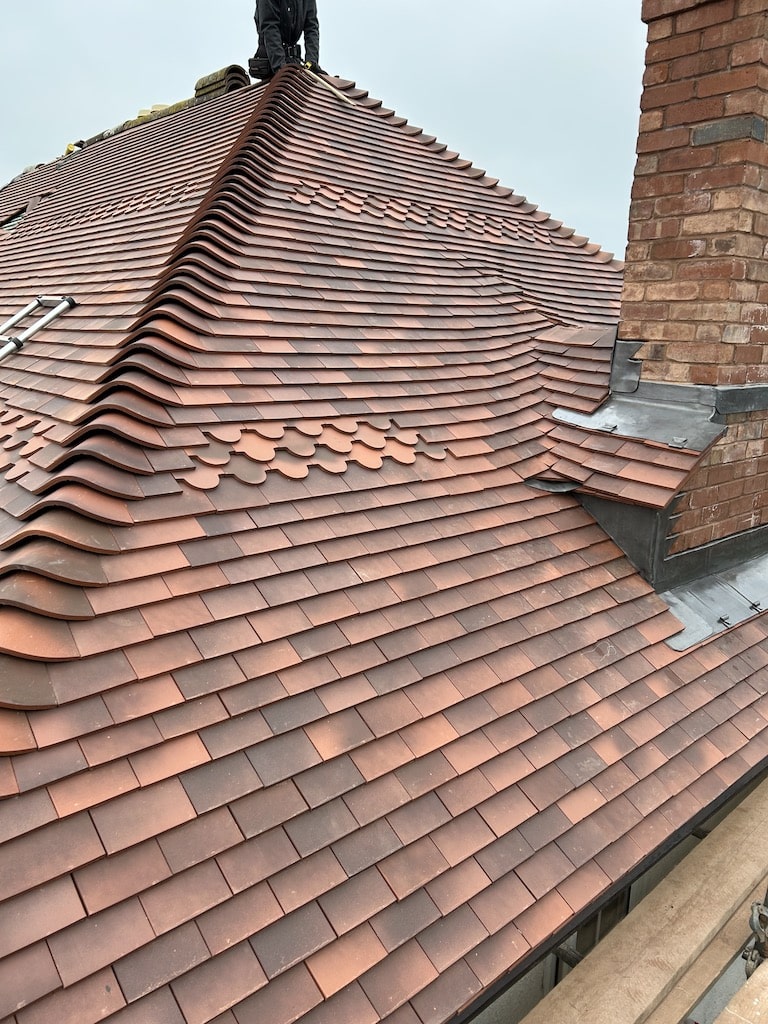
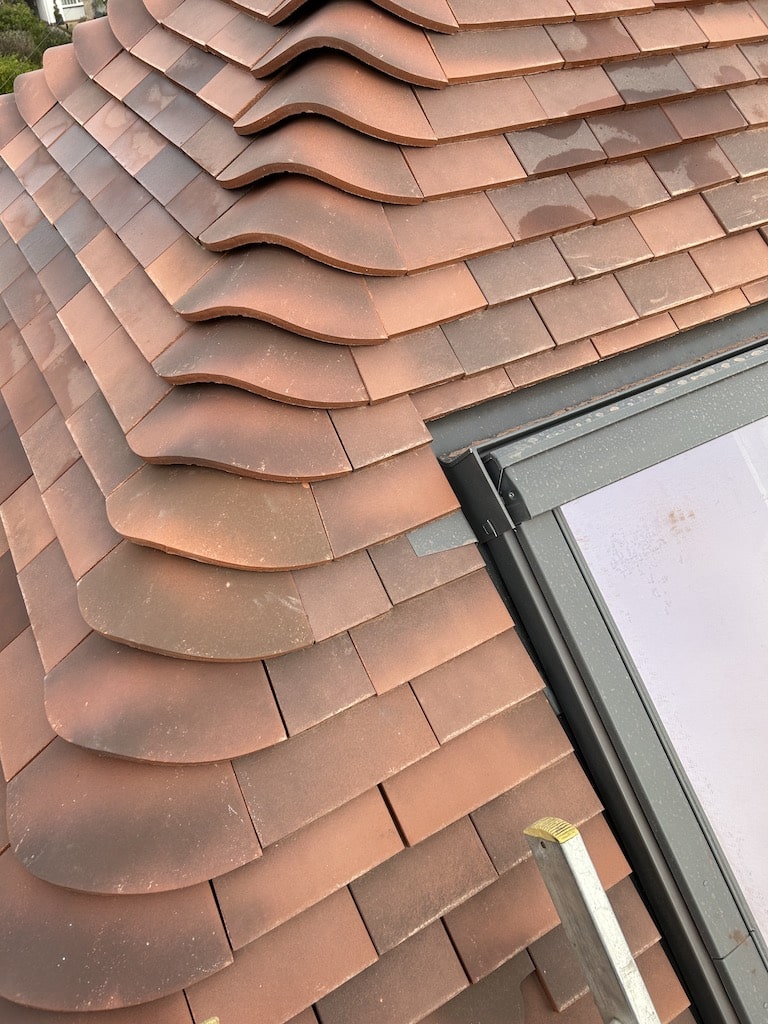
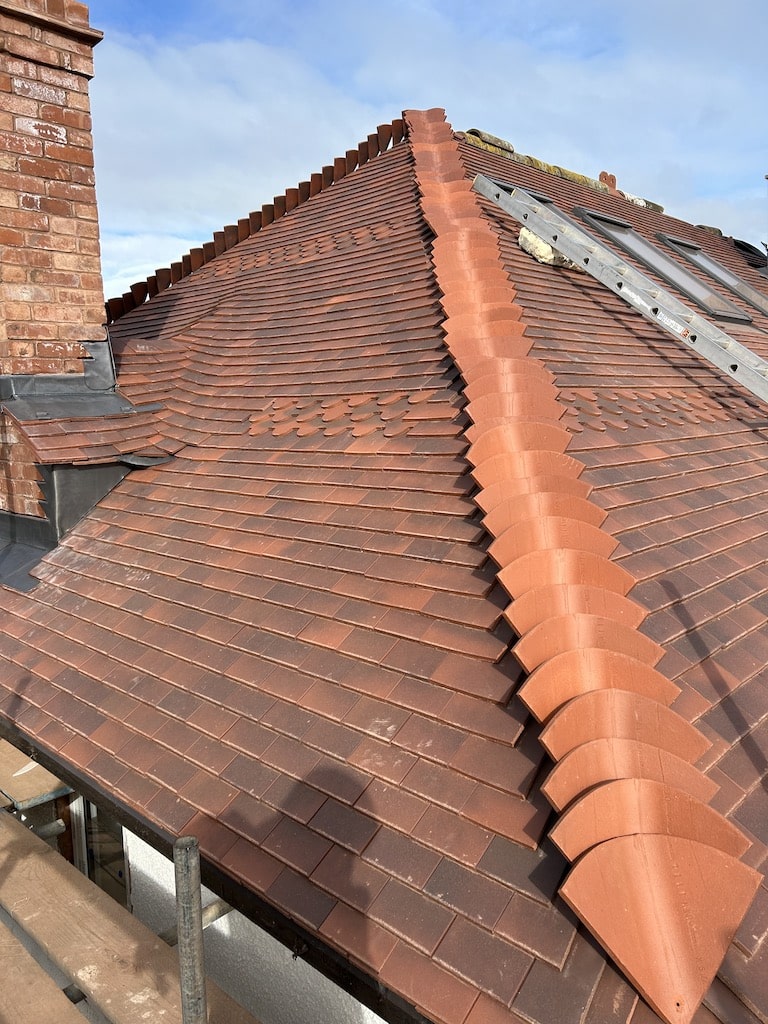
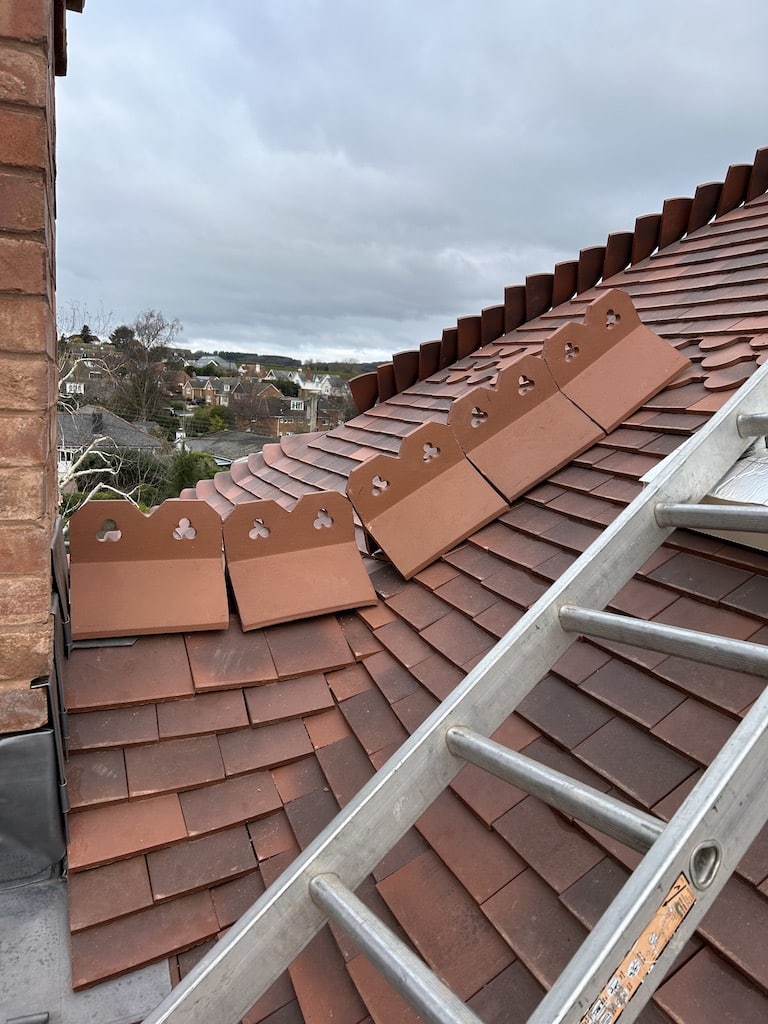
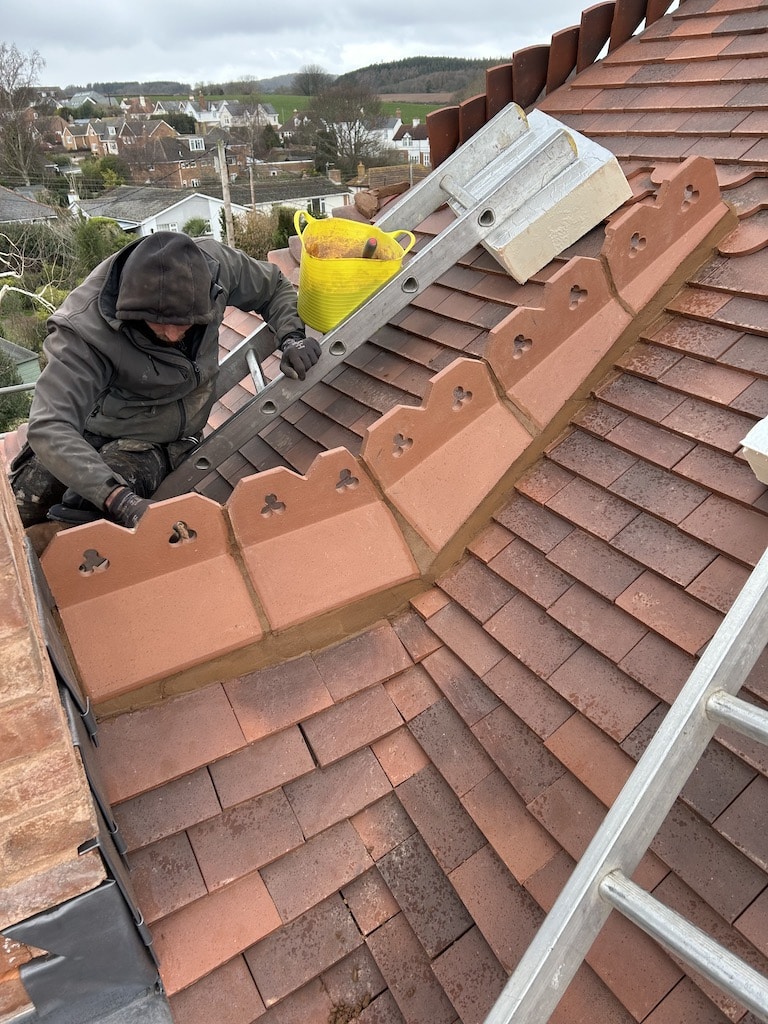
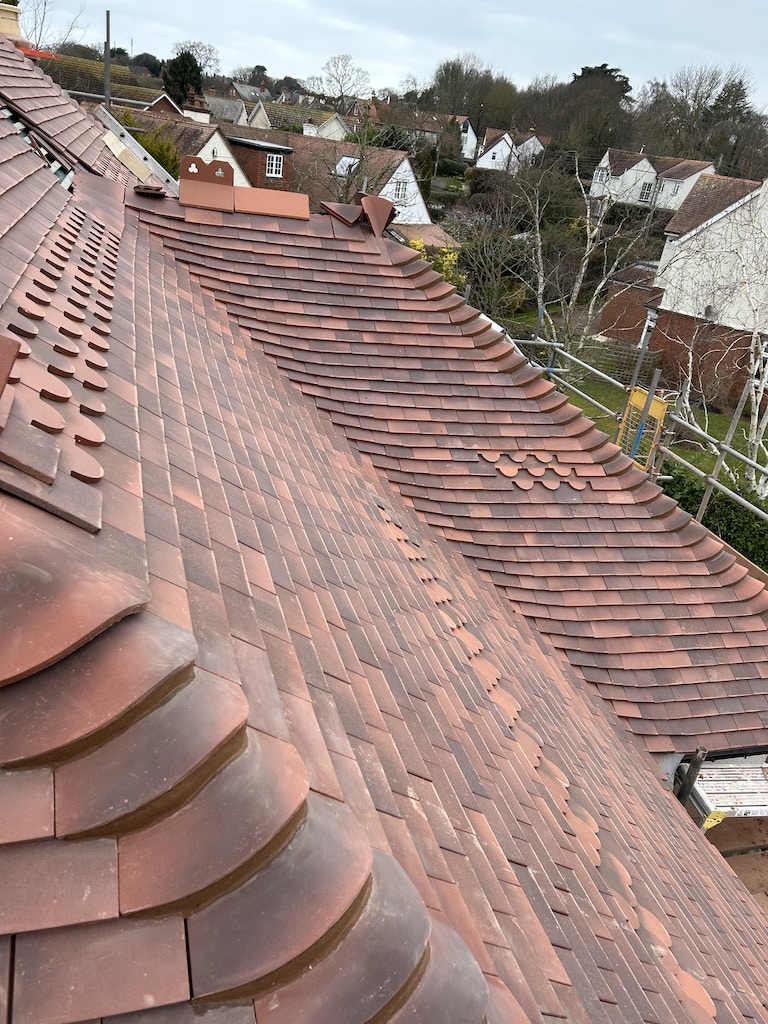
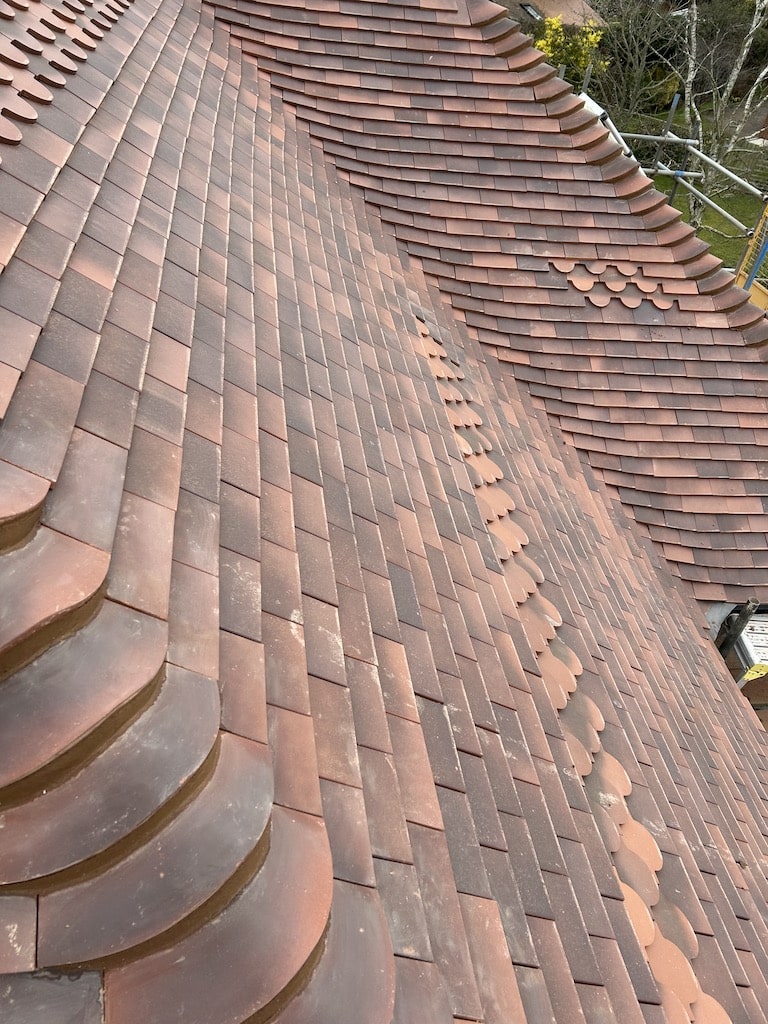
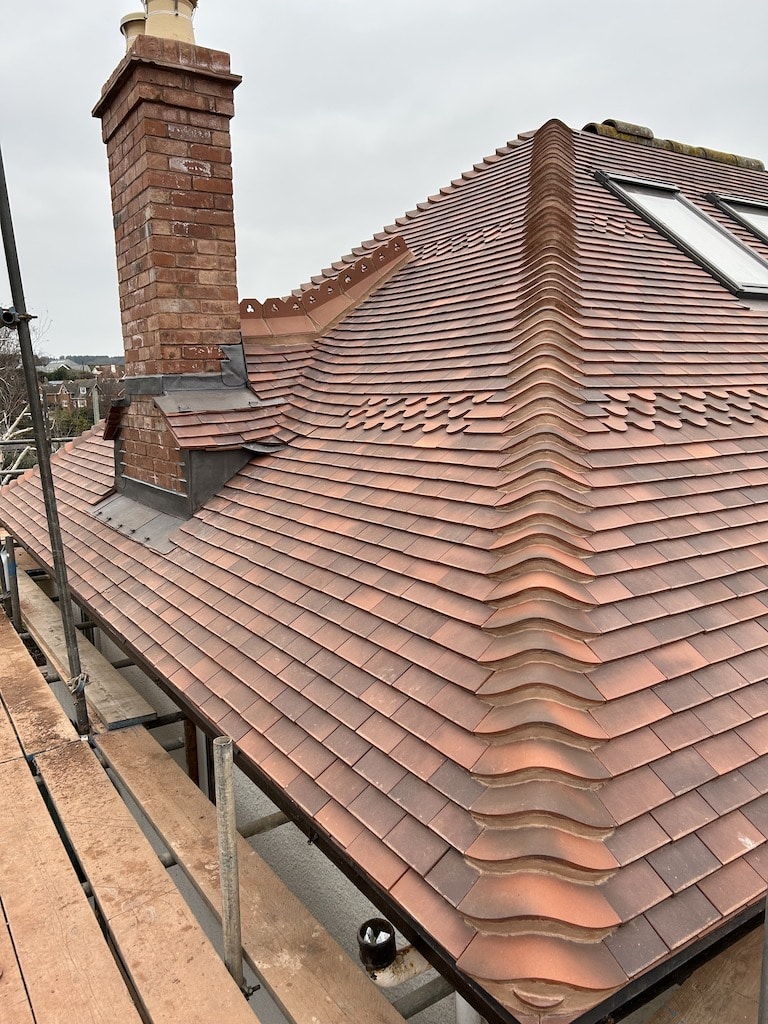
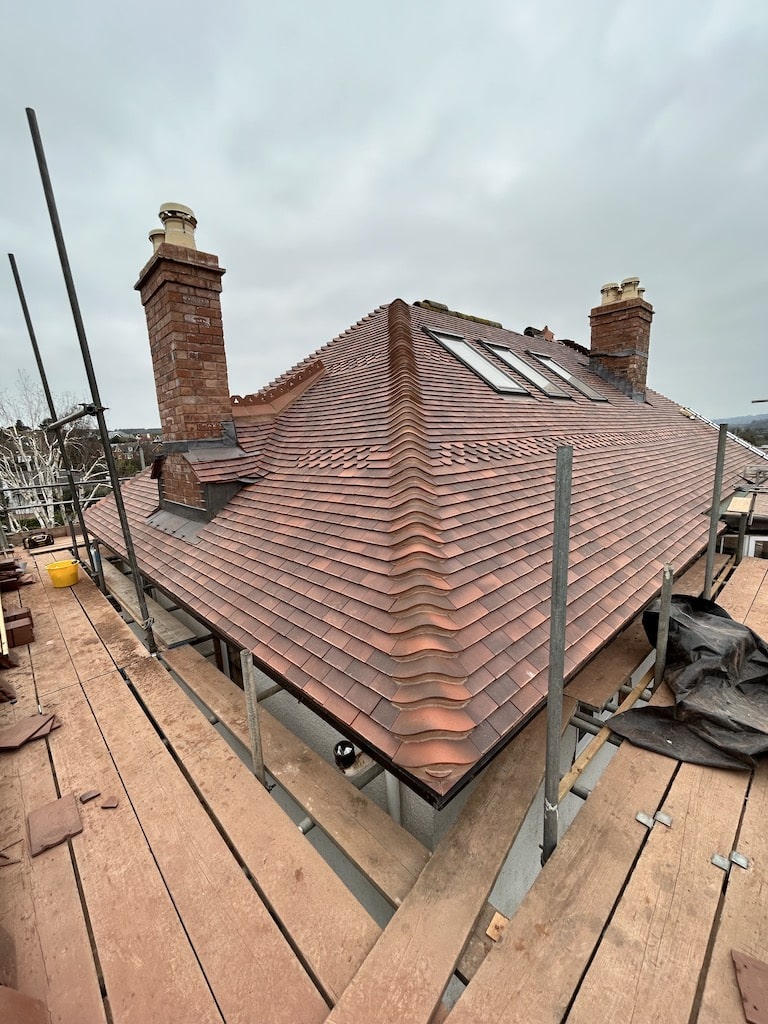
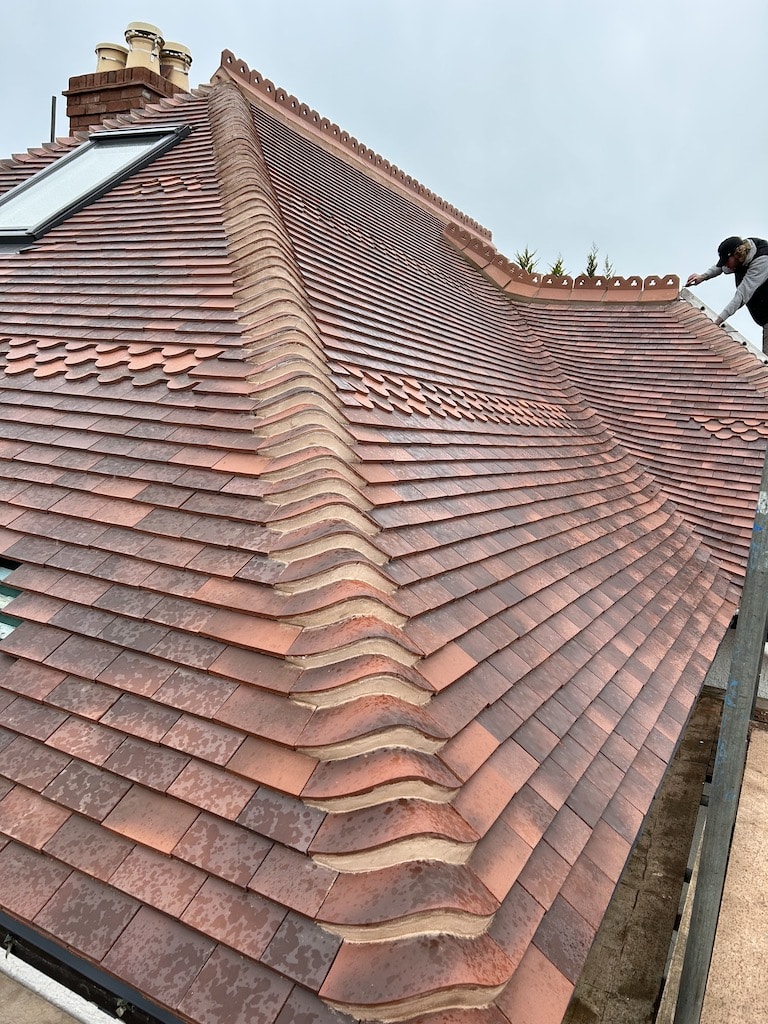
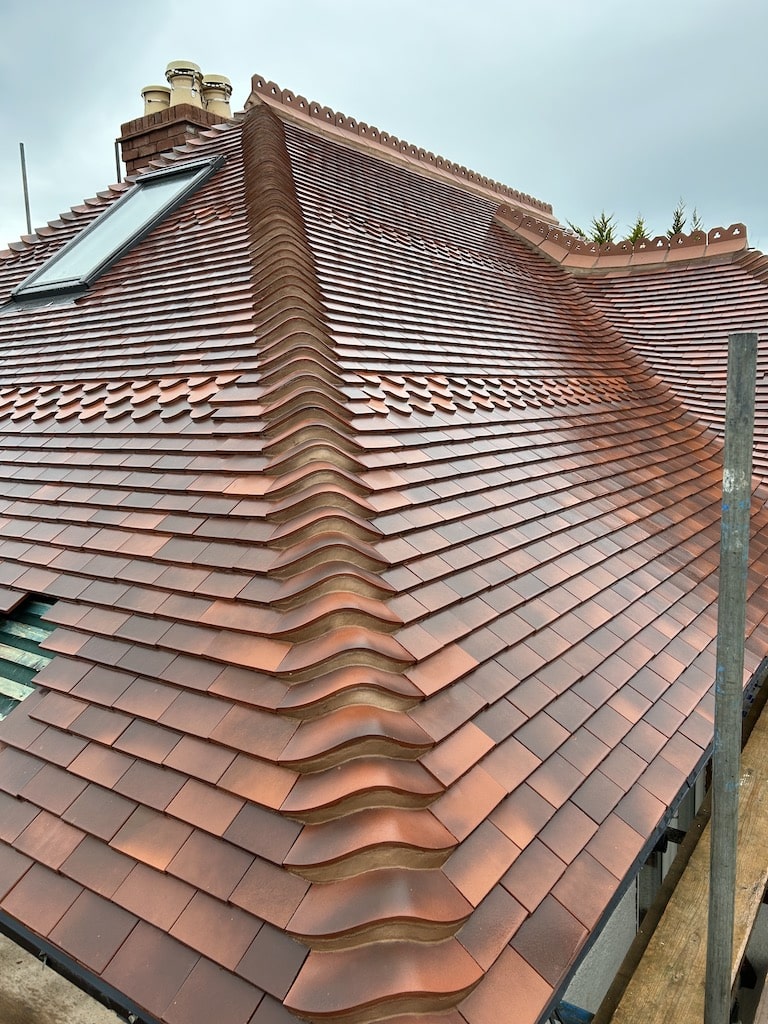
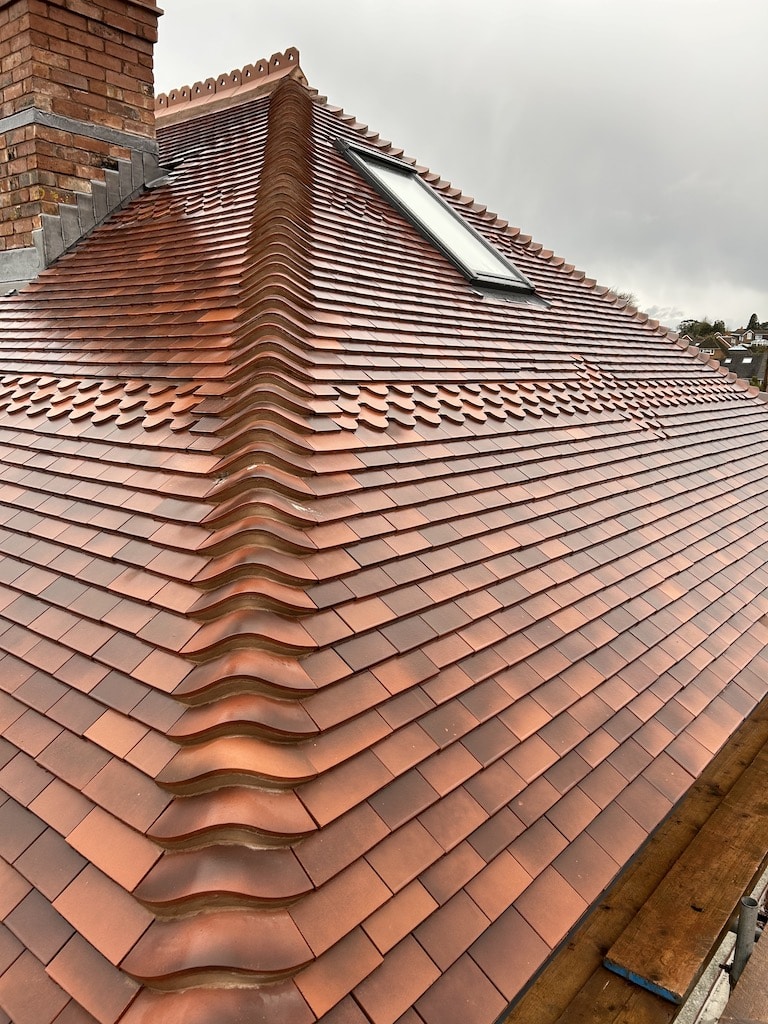
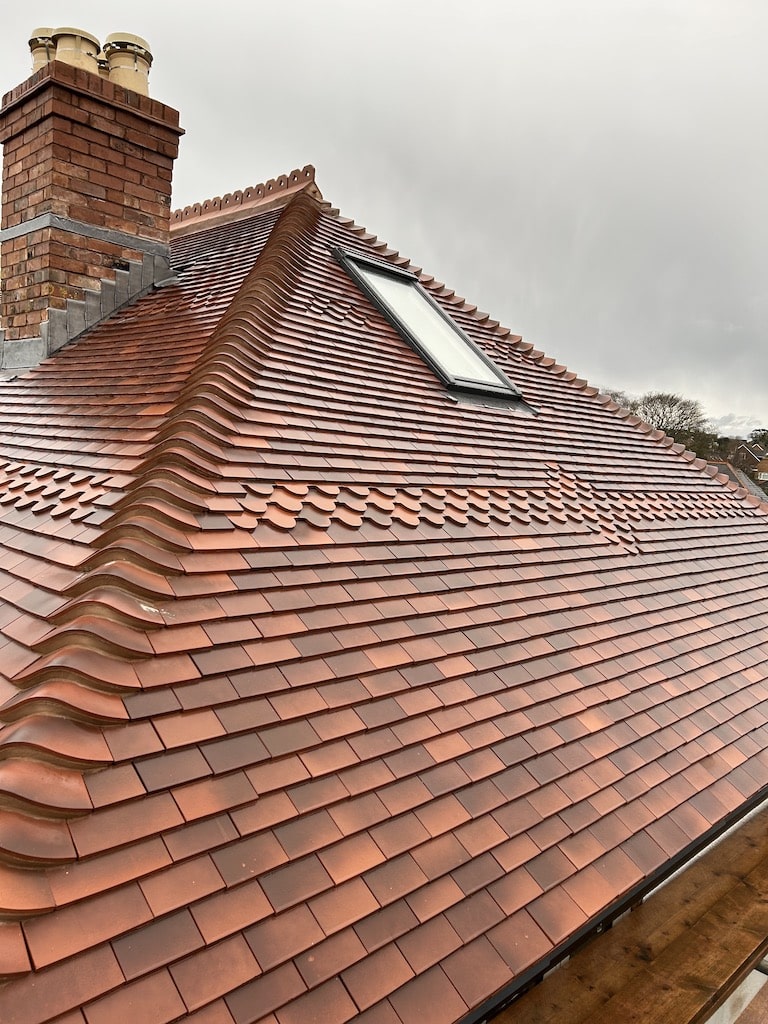
With a little guidance from me, they came up with one of the most interesting projects I have ever completed. Rosemarys classic Mixed Brindle Blend with laced valleys, bonnet hips, ornamental club tile patterns and crested ridge tiles. Wow, what an absolute pleasure to complete.
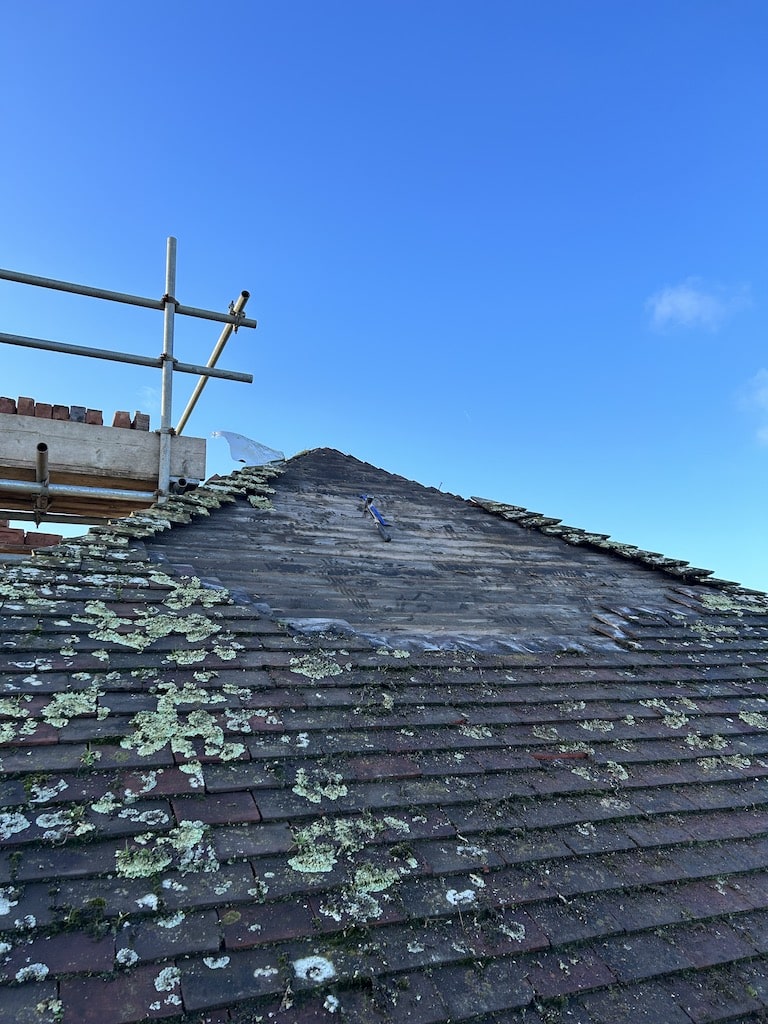
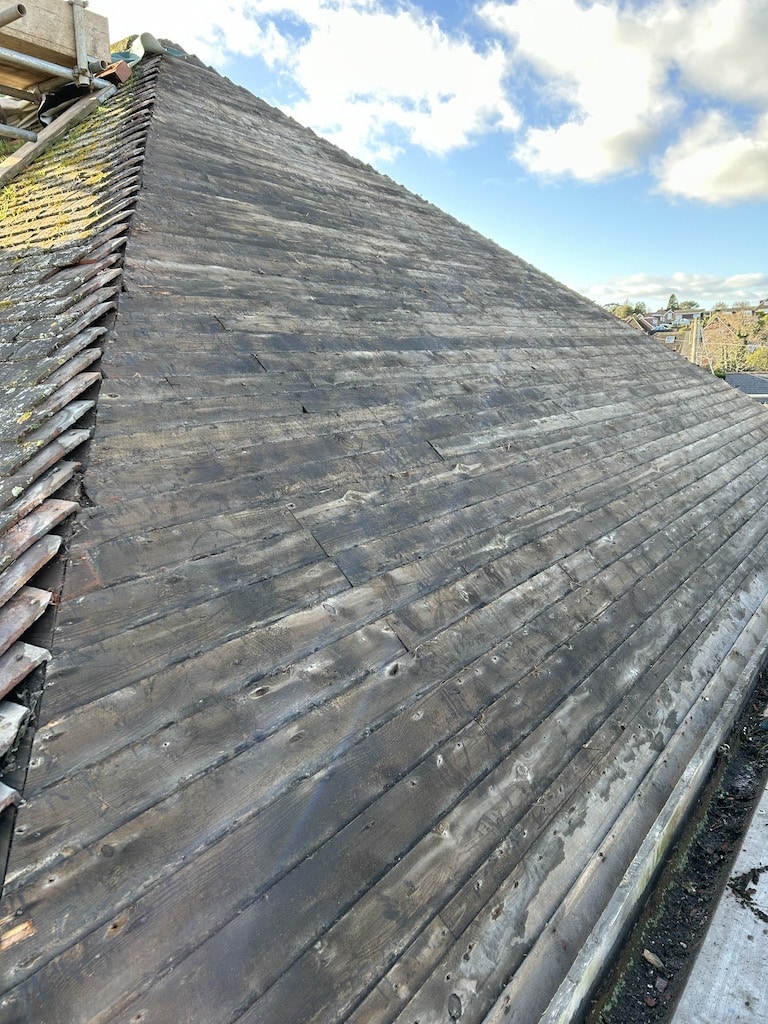
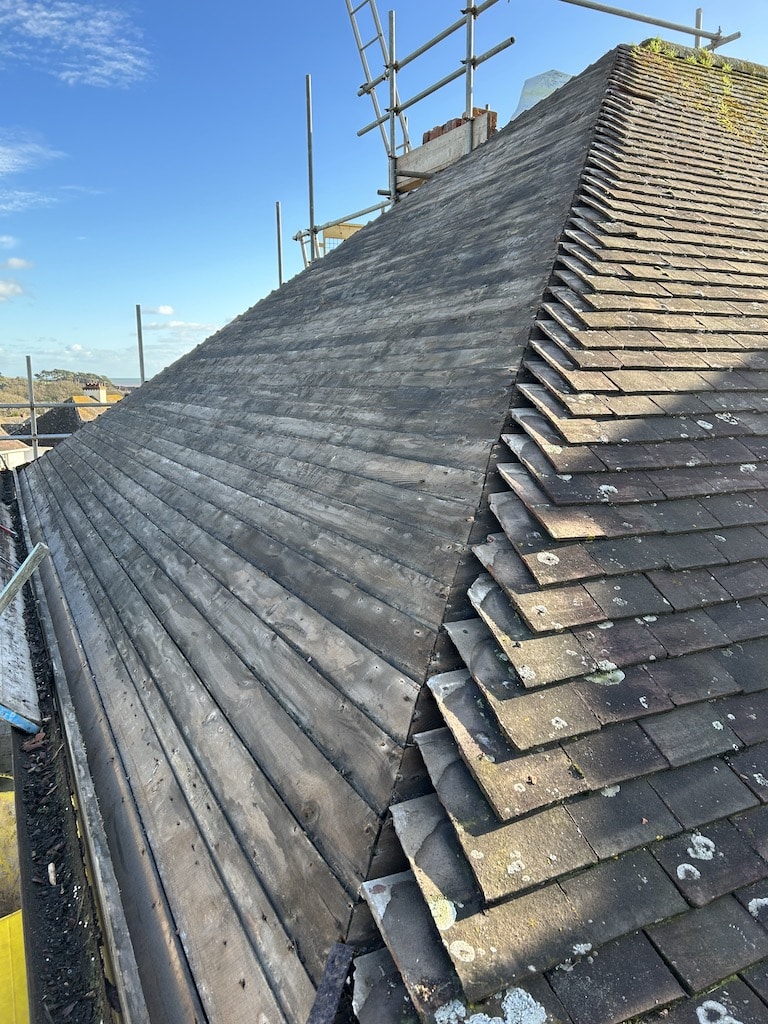
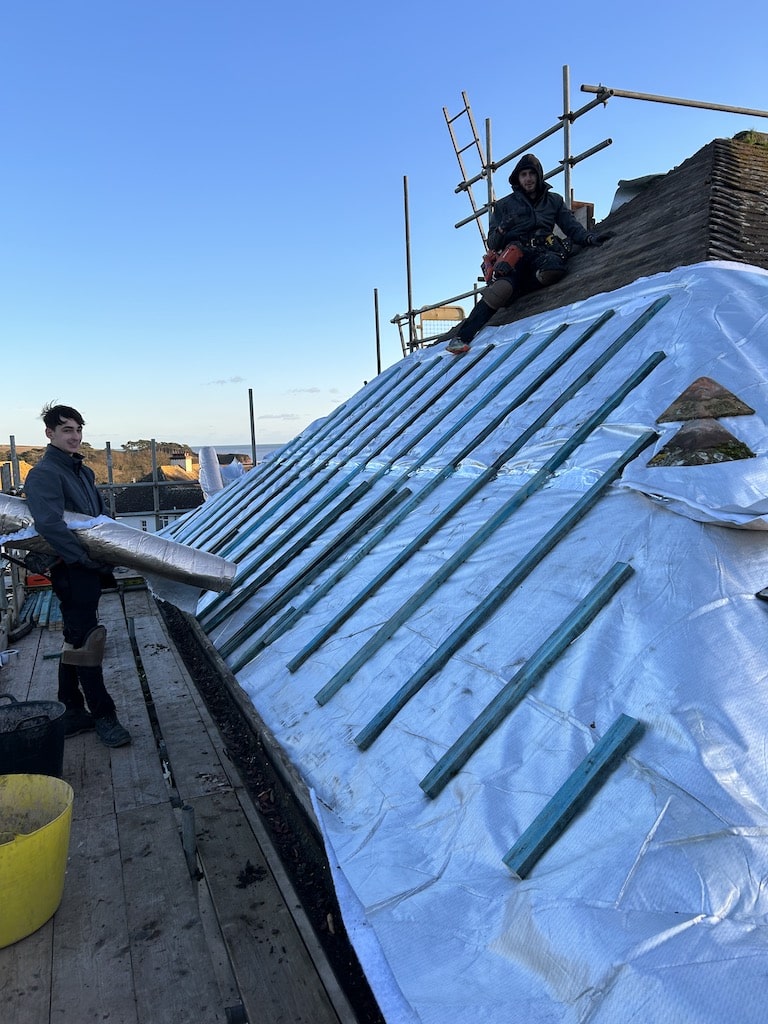
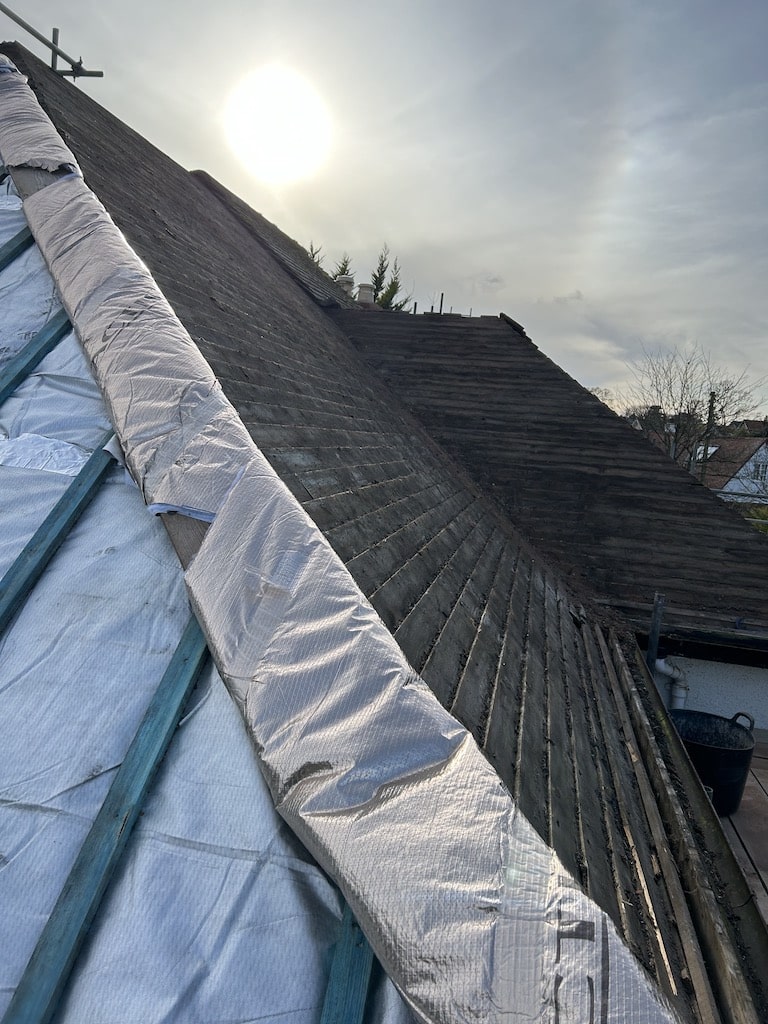
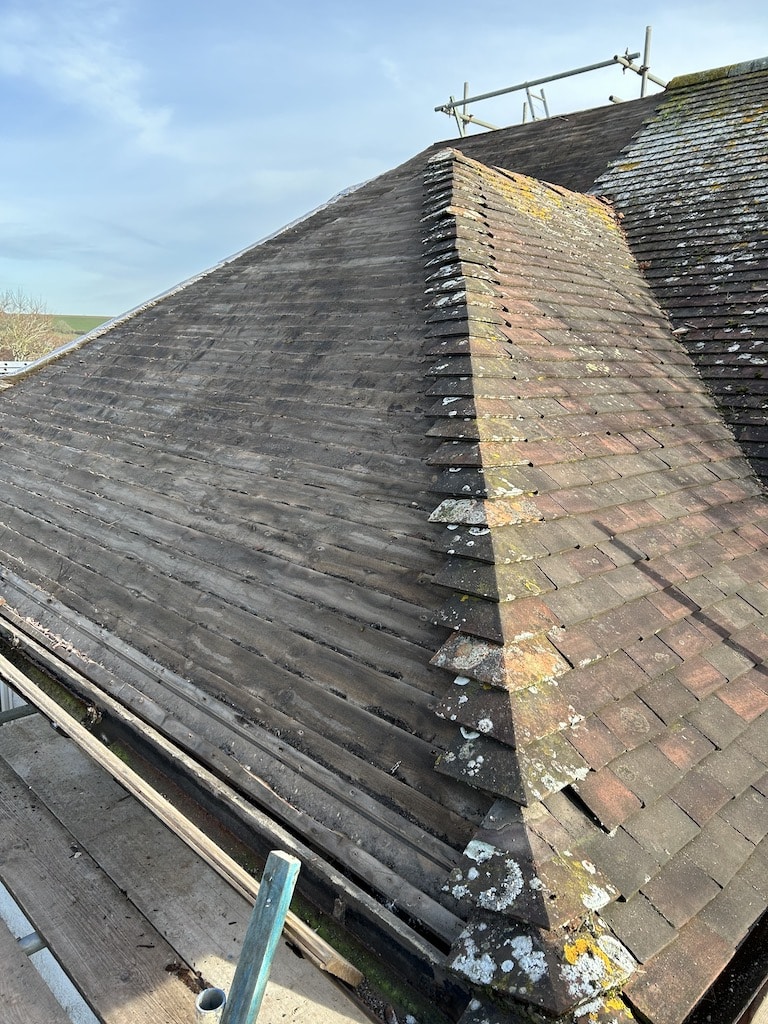
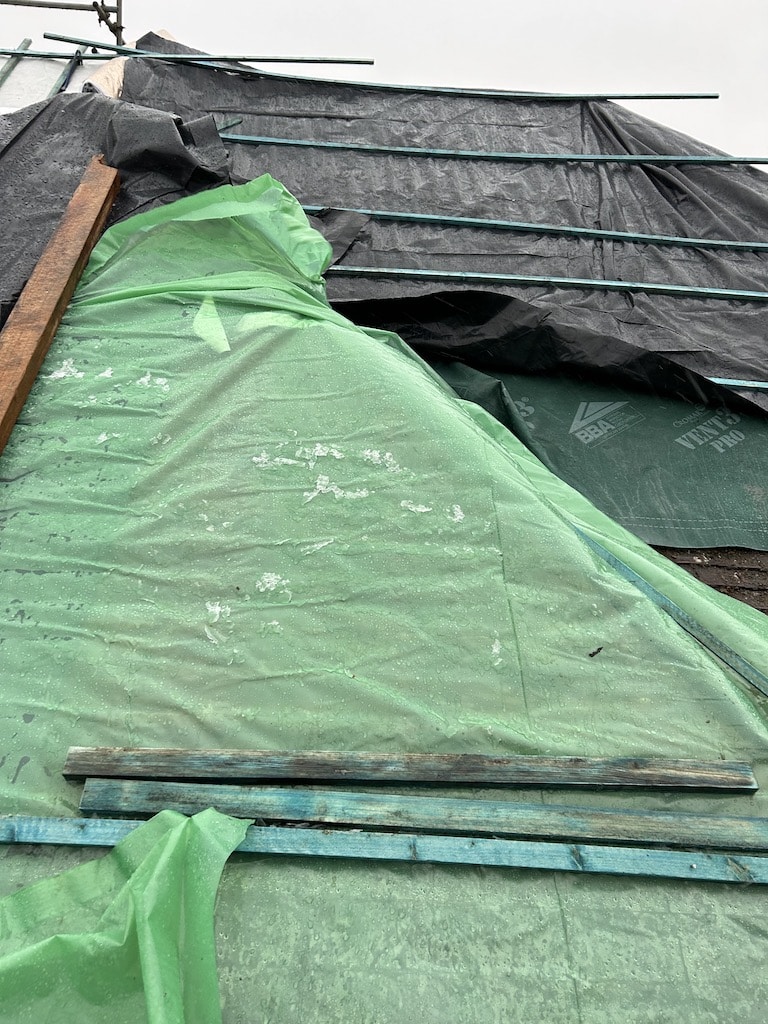
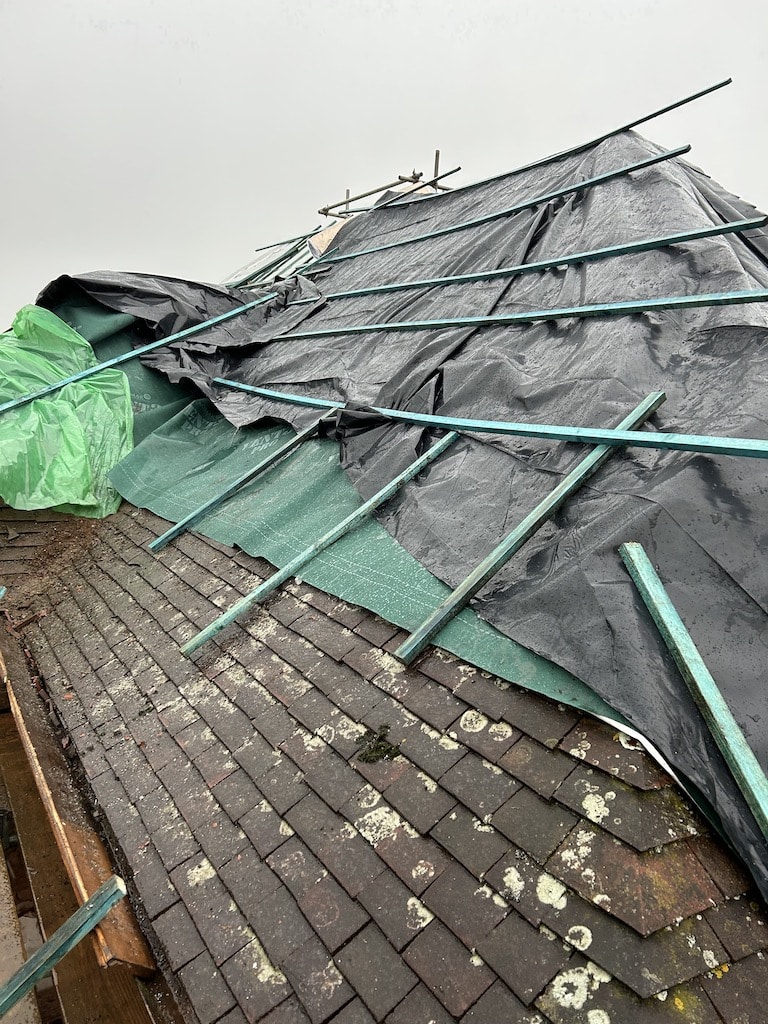
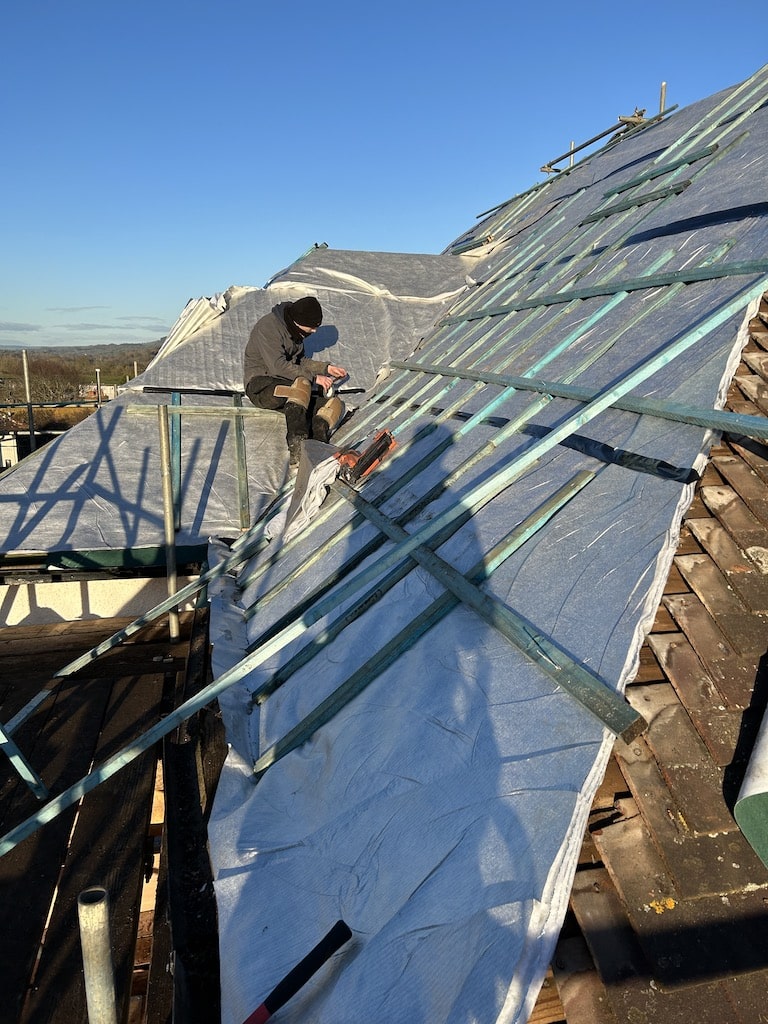
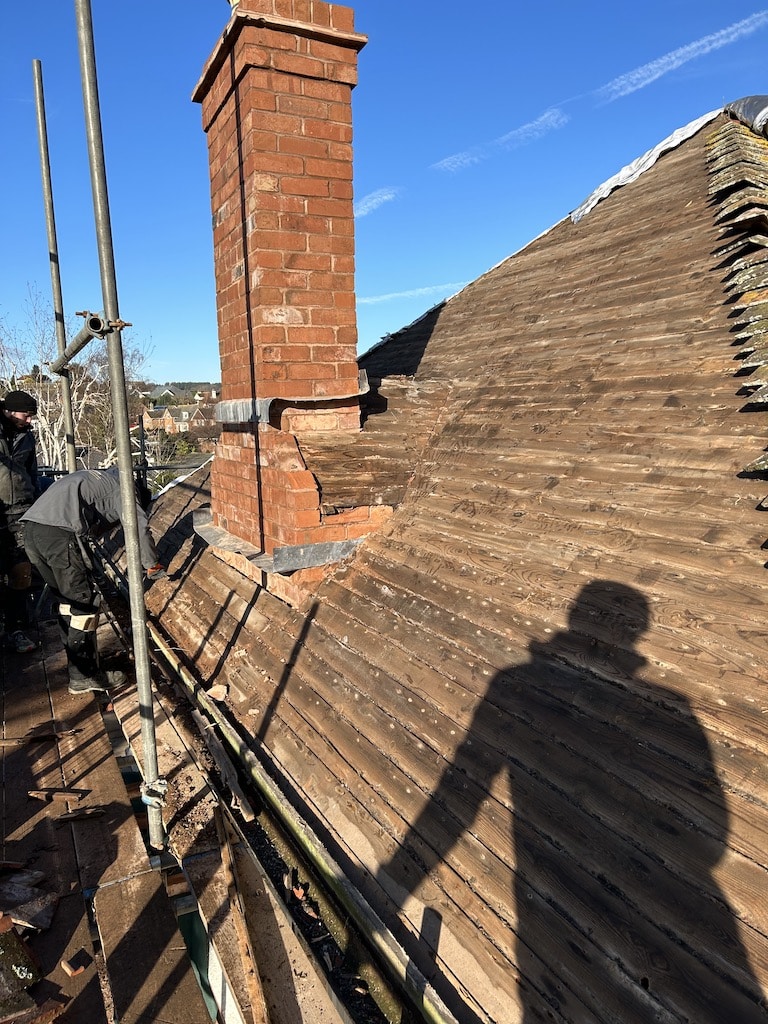
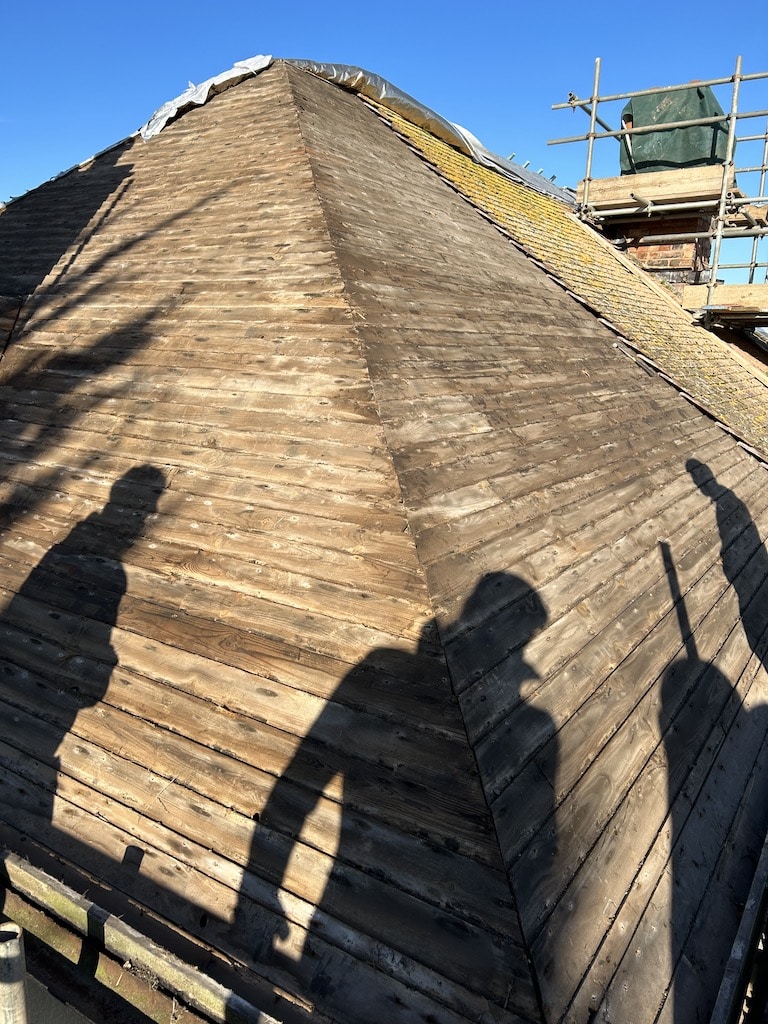
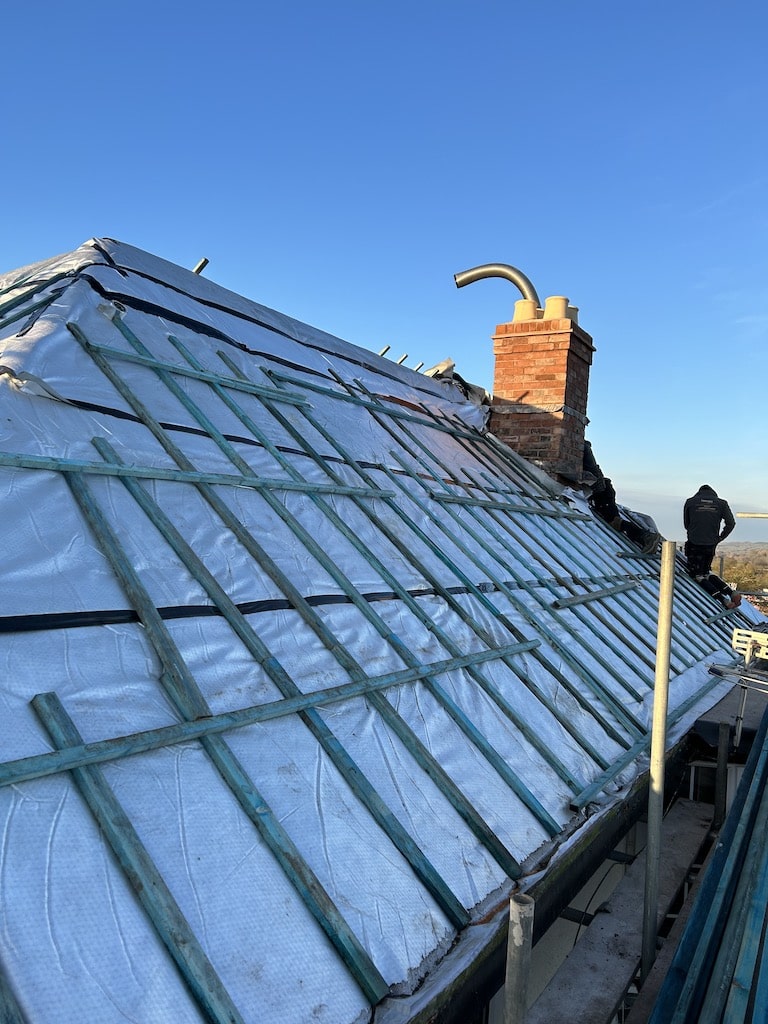
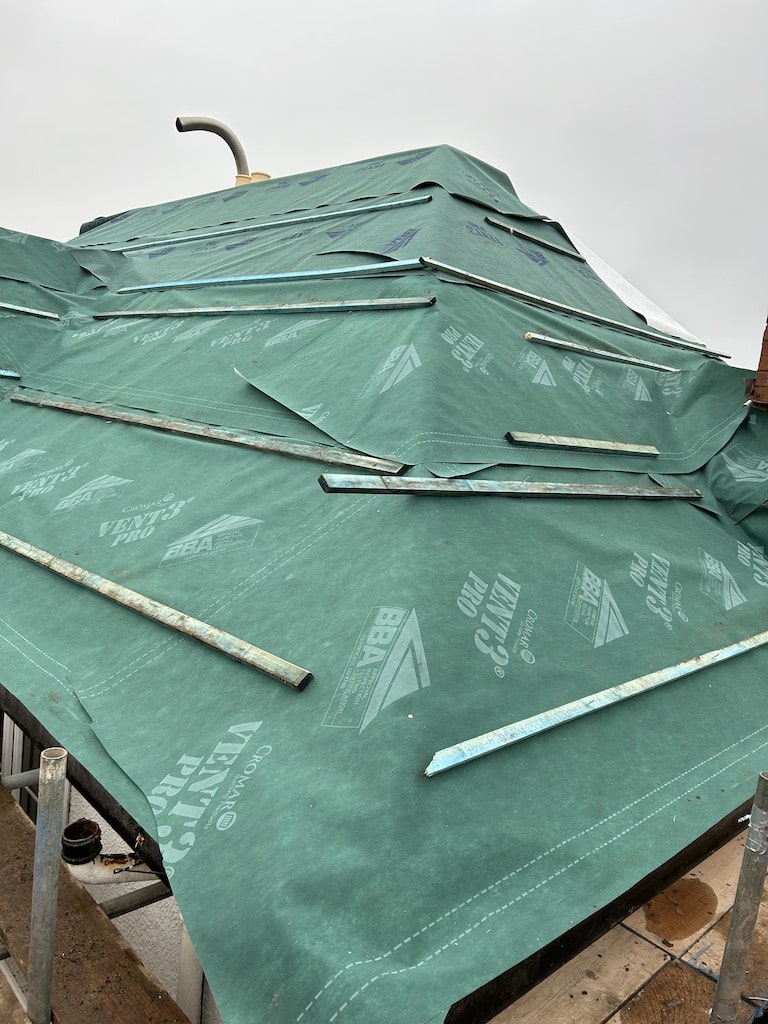
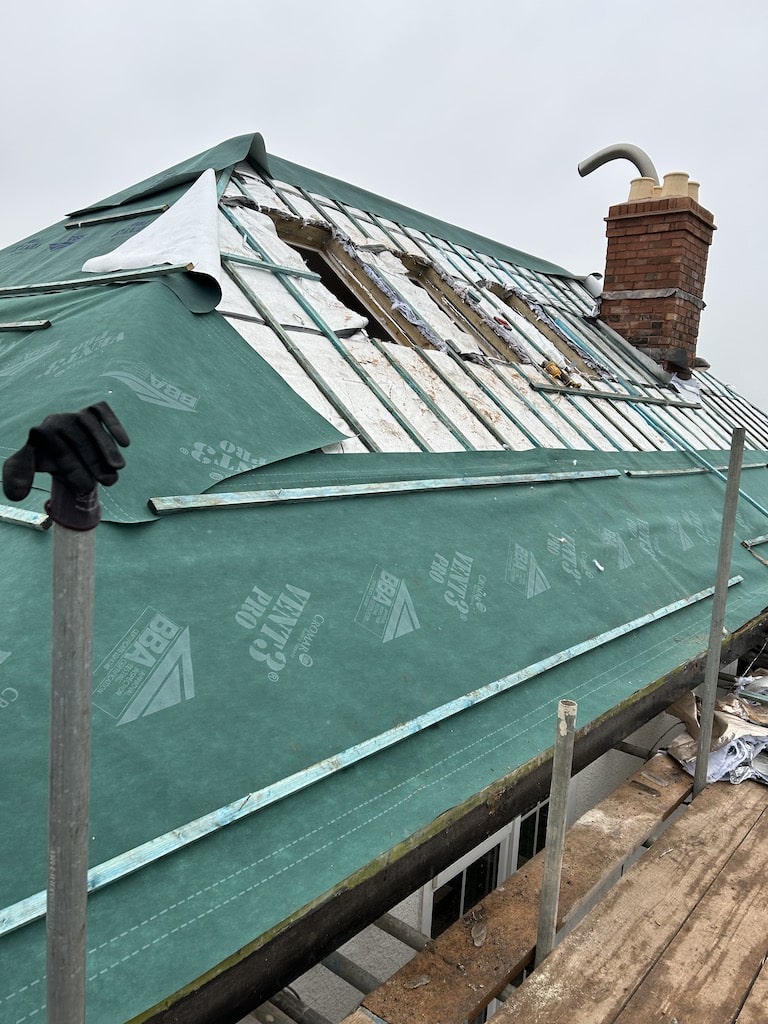
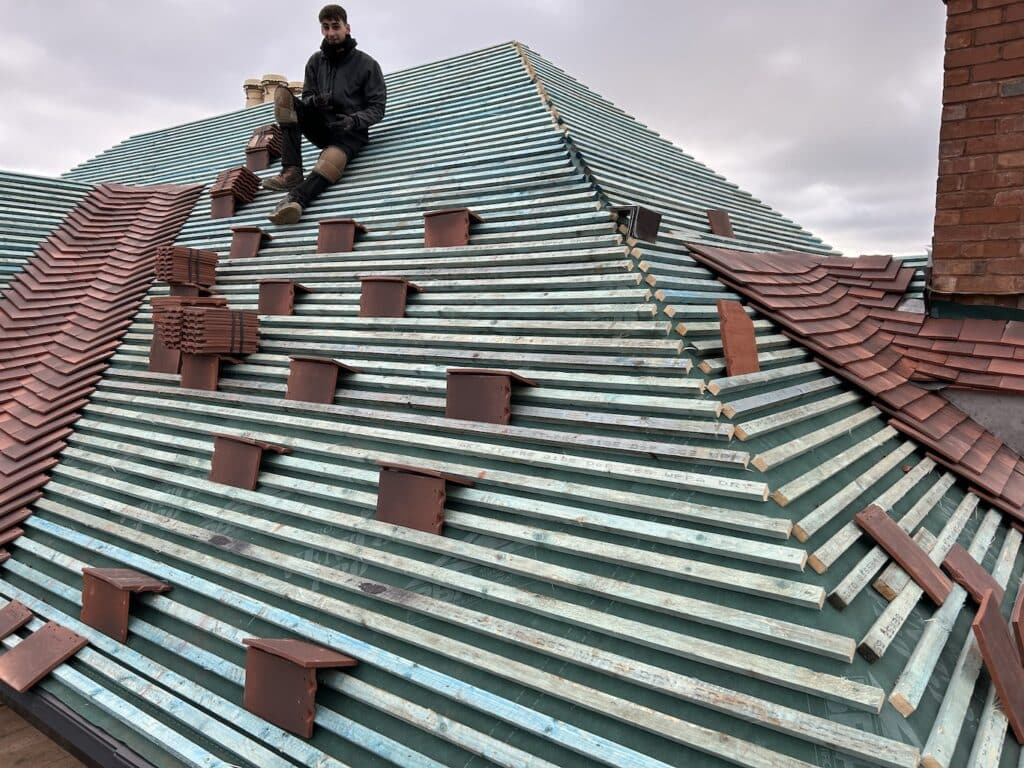
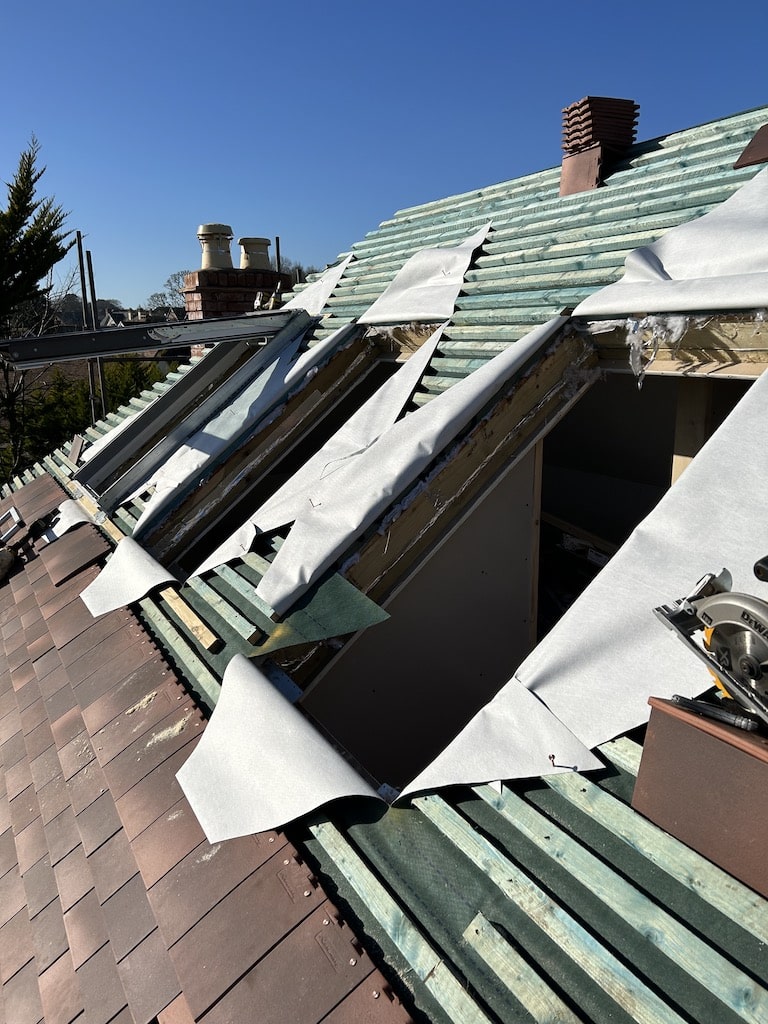
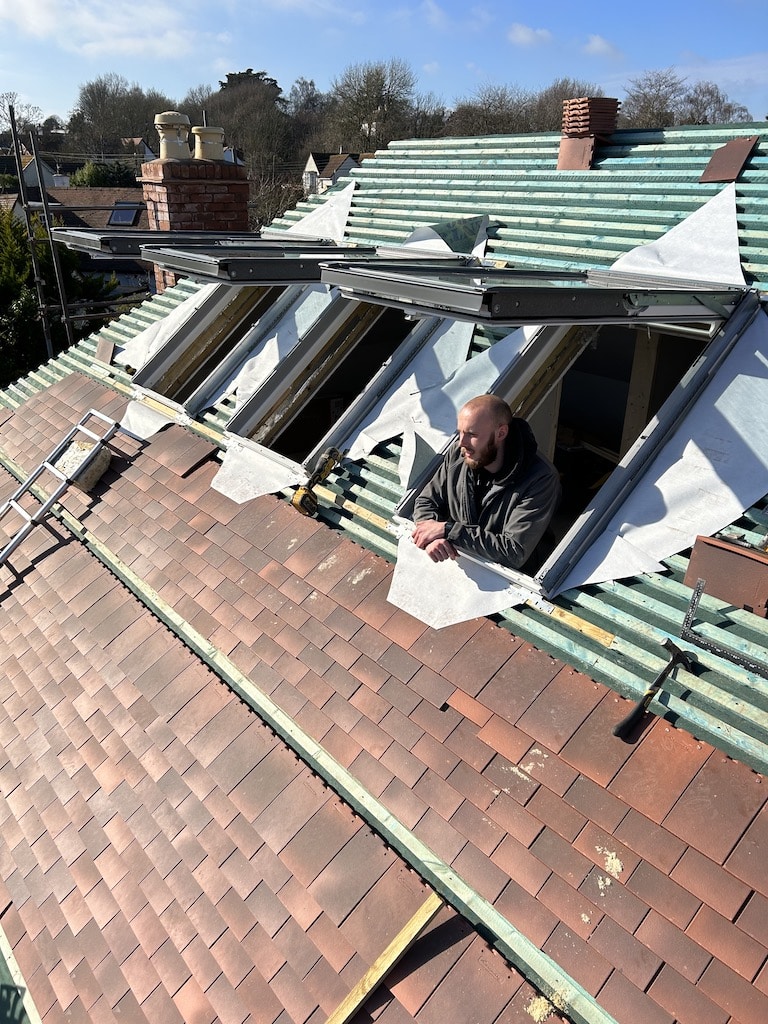
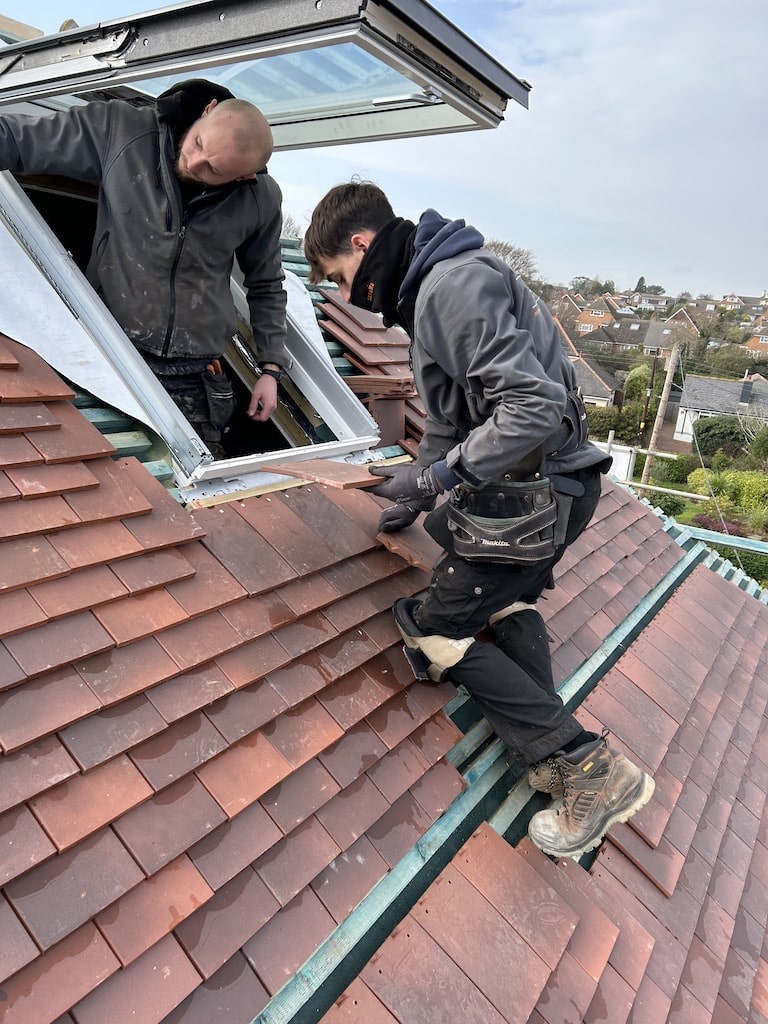
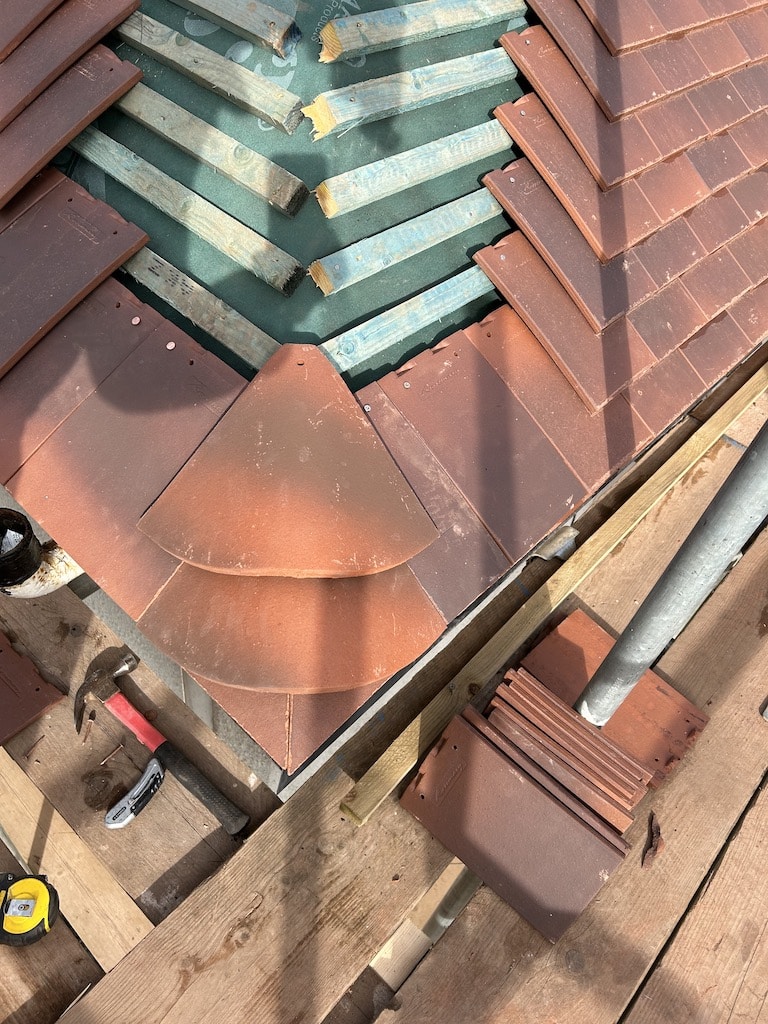
We were instructed to leave the original feather-boarding as it is the fabric of the house and provided superior roof strengthening. With this in mind we needed to counter batten, lay insulating breather membrane then the usual breather membrane and batten. I love it when builders come up with solutions to provide a very energy efficient house whilst maintaining the character. This roof space and whole house will perform better than any new build and looks like a classic 1930s, albeit better than it originally did.
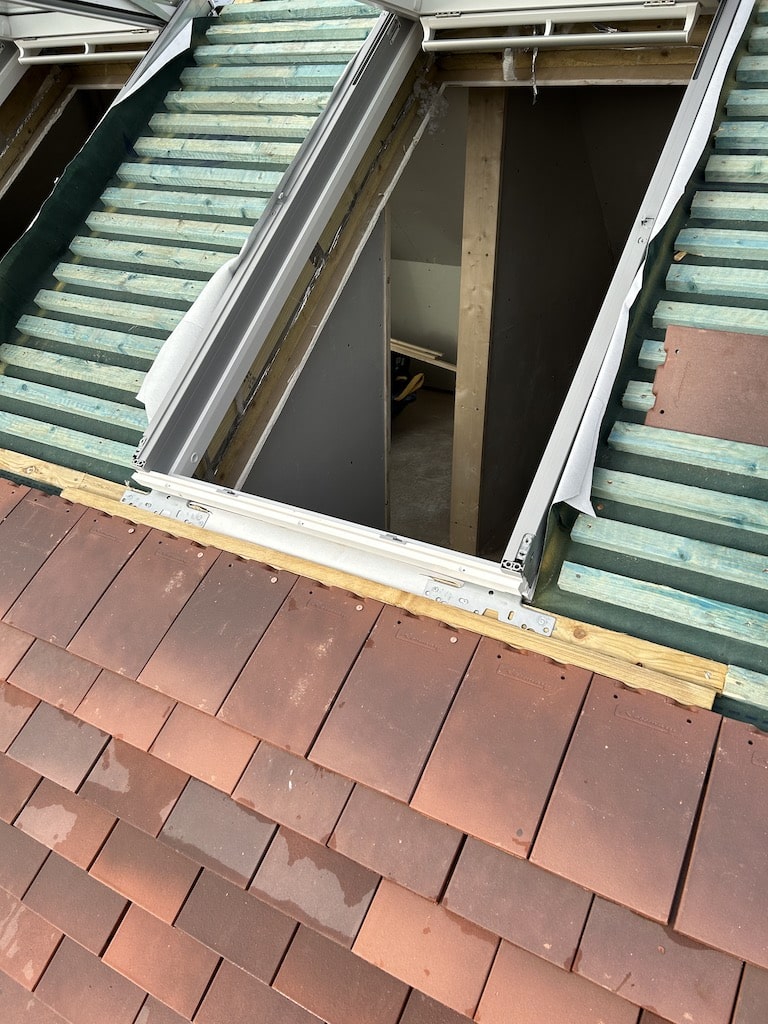
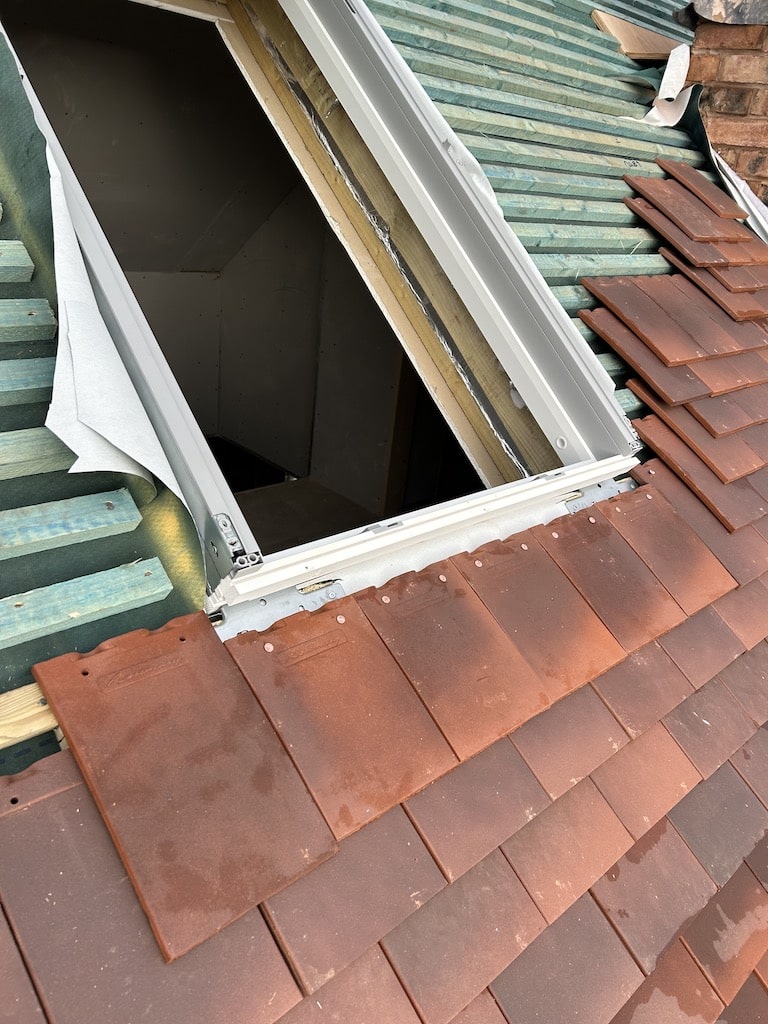
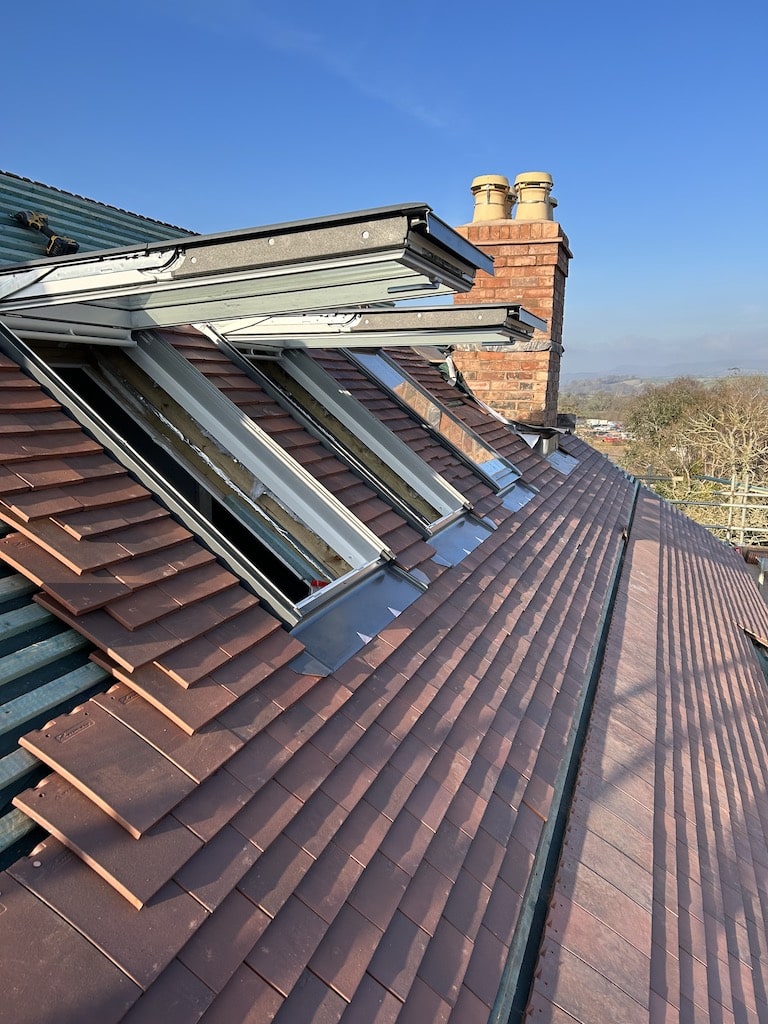
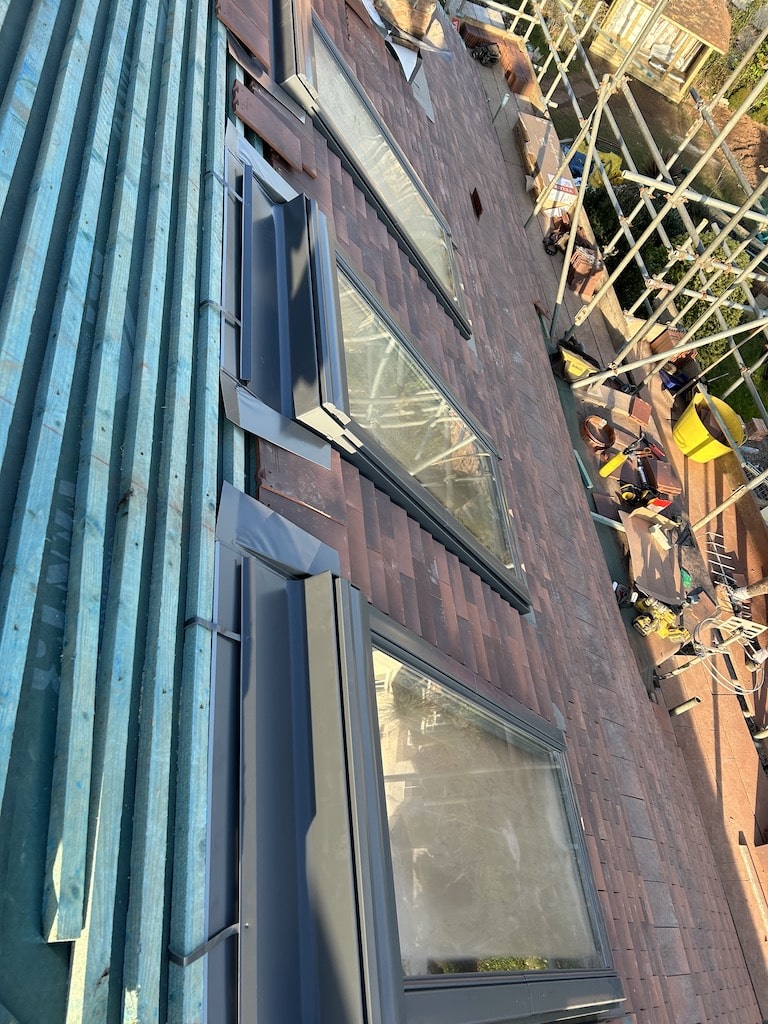
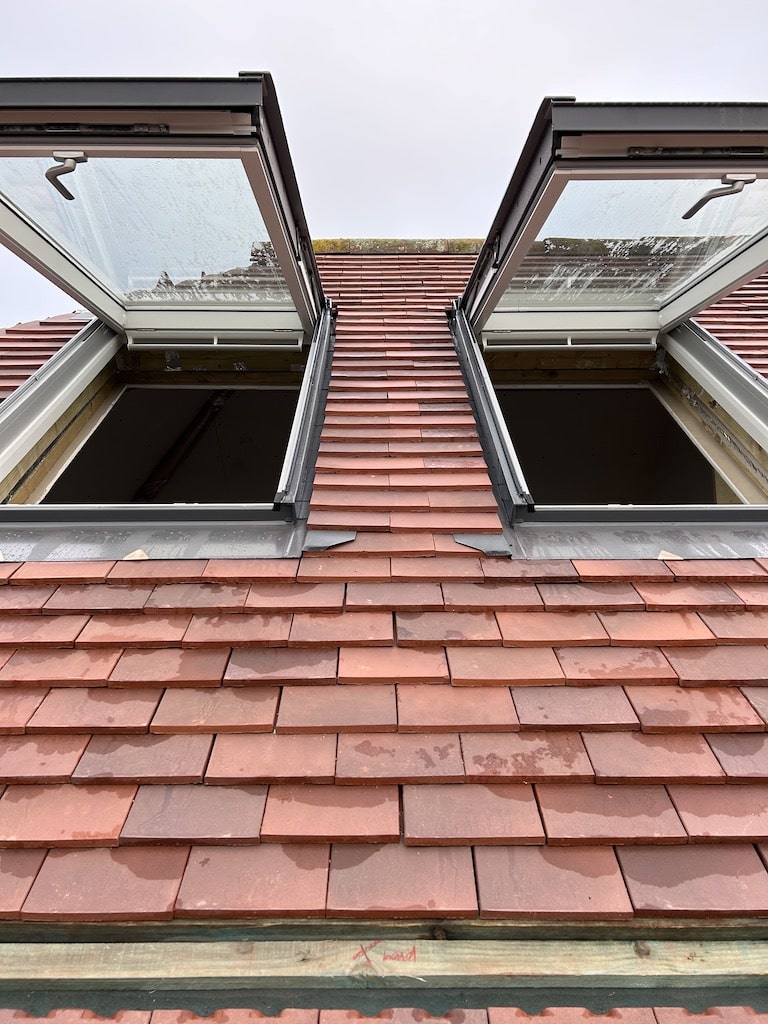
The attic space, soon to be an ensuite bedroom had 4 Velux windows fitted. The windows provide an immense amount of natural light, and the sea views really are gorgeous. Looking out over the river Otter and Budleigh bay. The dramatic red cliffs of the Jurassic coast, casting morning shadows over the estuary.
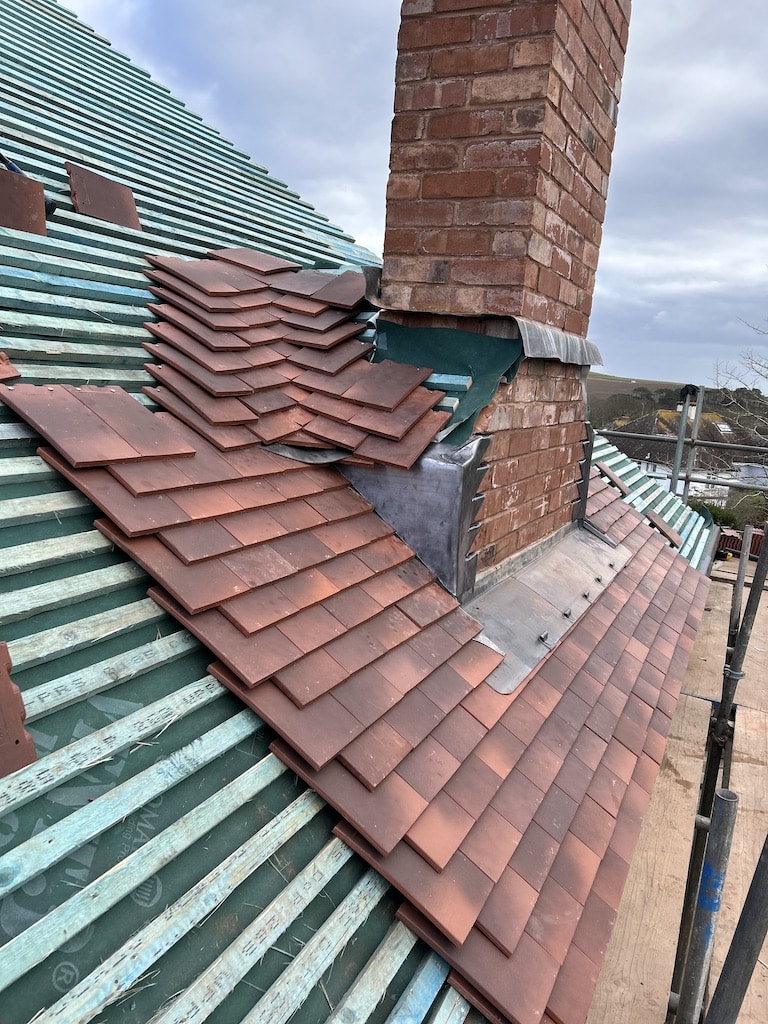
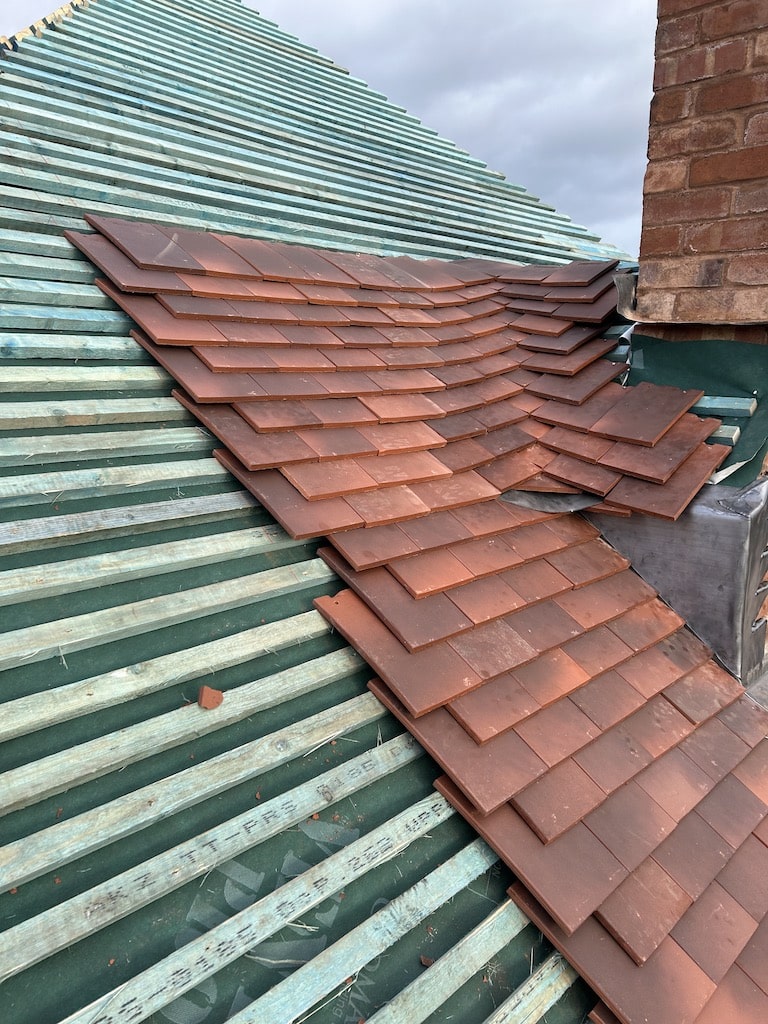
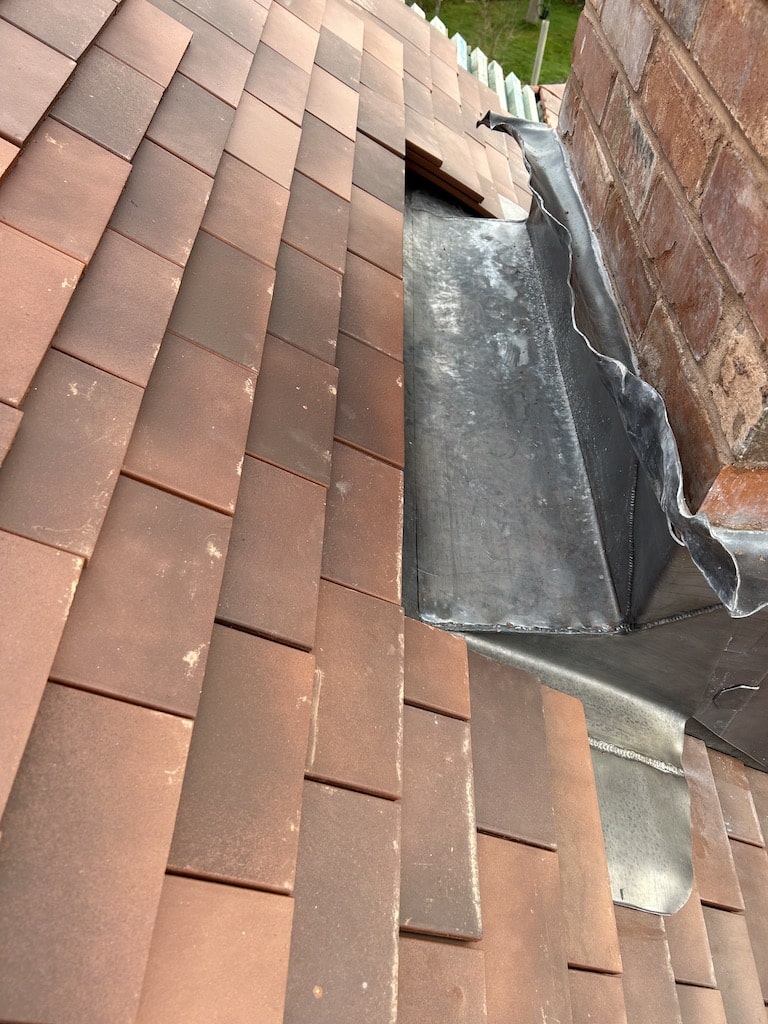
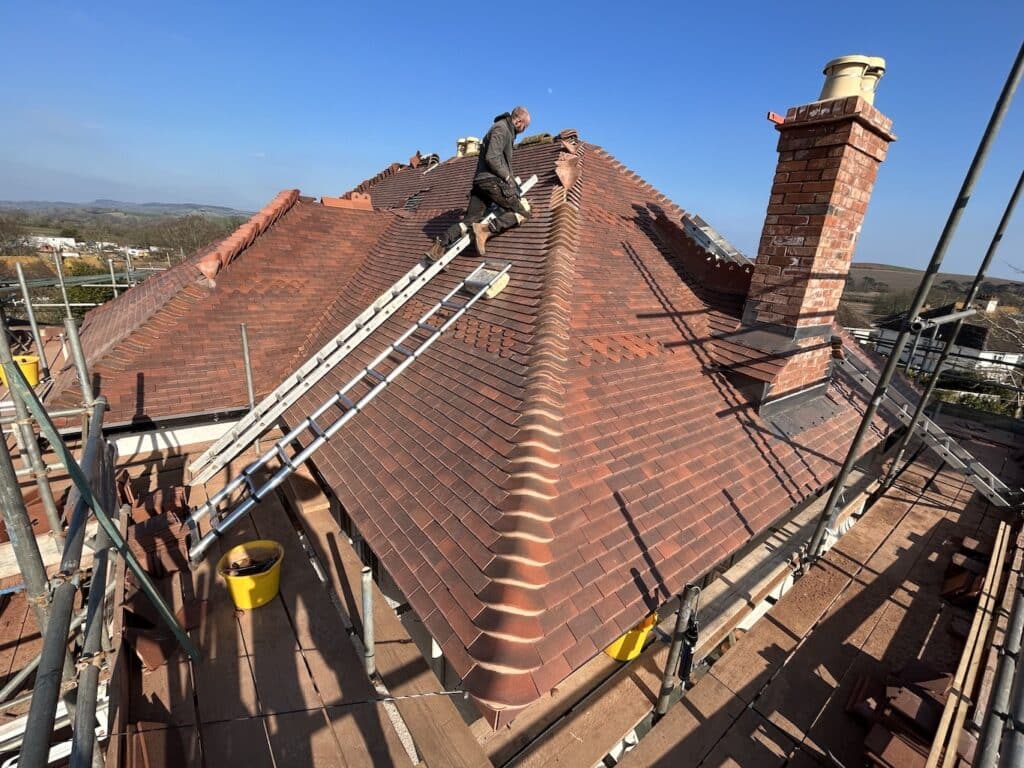
The laced valley system we decided to use is a heritage detail. Usually reserved for listed buildings in the east of England, where most of the peg tile and plain tile roofs are located. Once upon a time the valley tiles were bedded onto a concrete or limecrete screed. I have never seen this completed so I imagine it is quite rare in modern times. Today we build the valley up using a timber aligned centrally to catch the valley tile. The valley tile is a tile and a half spun diagonally and pushed upwards to the course above. This creates a very aesthetically pleasing sweep. As the sweep reaches the apex of the projection one is left with a rather unsightly bulge in the roof. This detracts from the flat tiling so is disguised with the ridge tile following the sweep up the main elevation and diminishing down in size until the bulge has vanished. Personally, I think this really does individualise the roof’s aesthetics and combined with the crested ridge tiles provides rather Jurassic looking ‘dragons tail’, or so we named it anyway. Rather fitting for its geographical positioning, I must say.
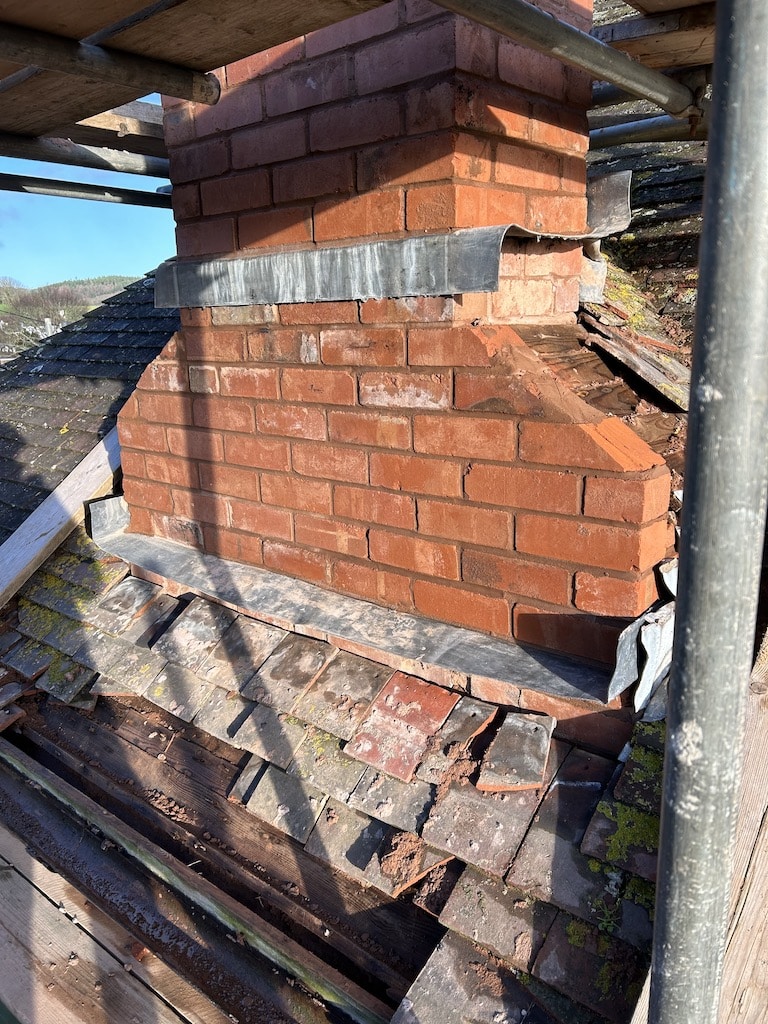
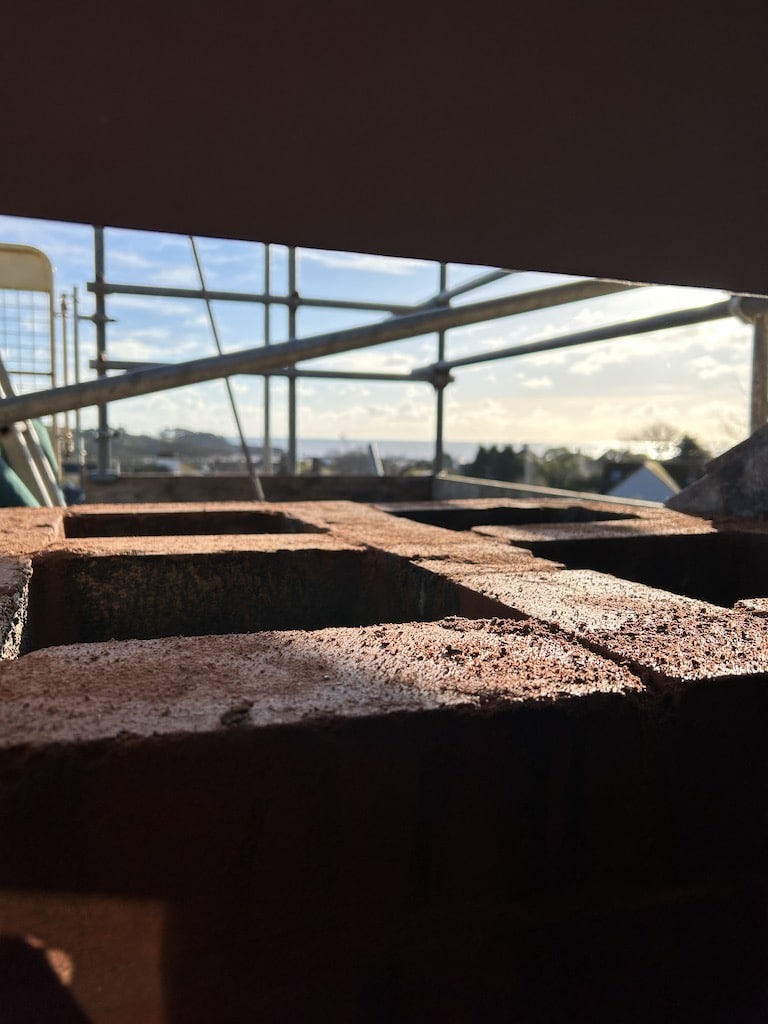
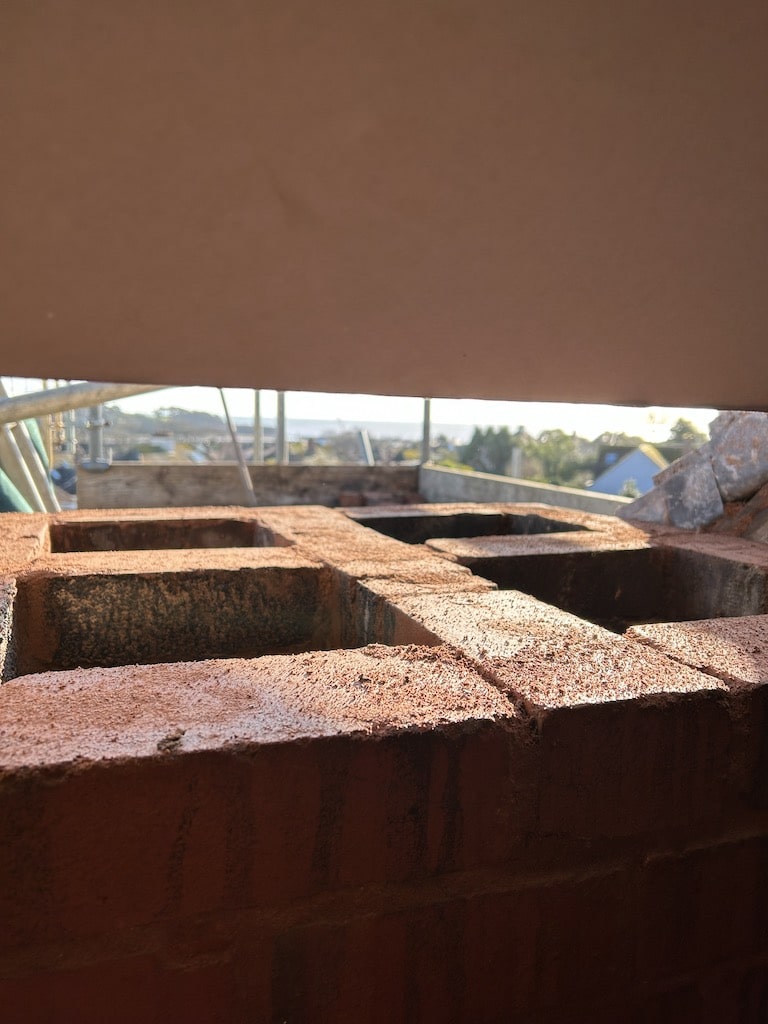
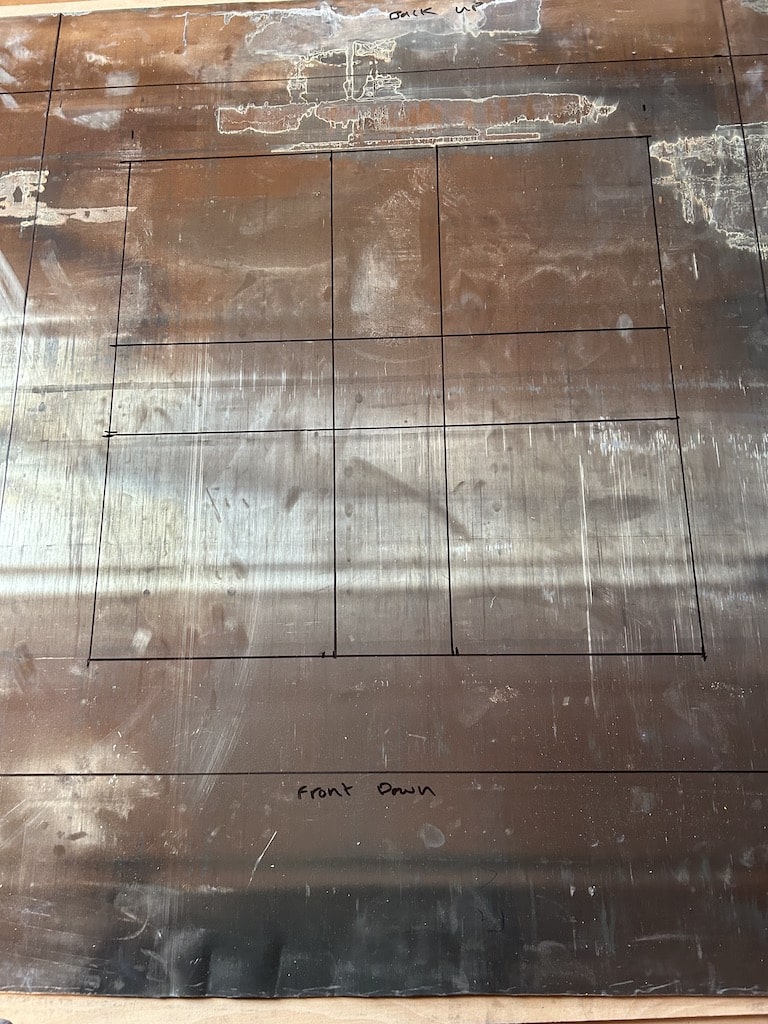
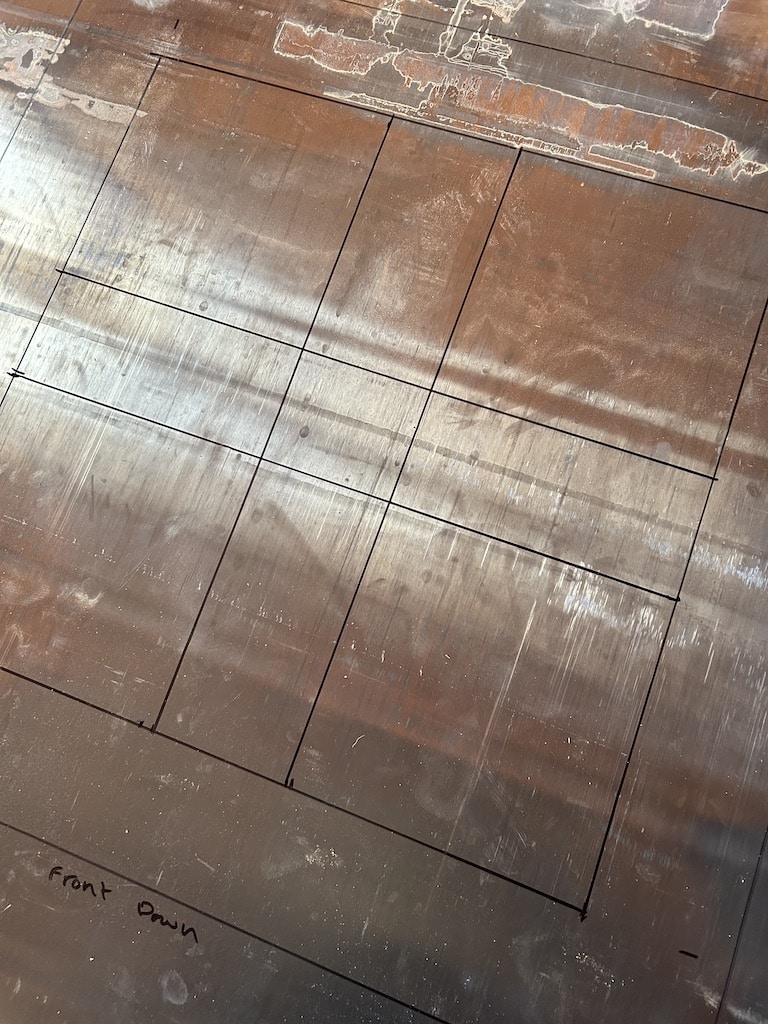
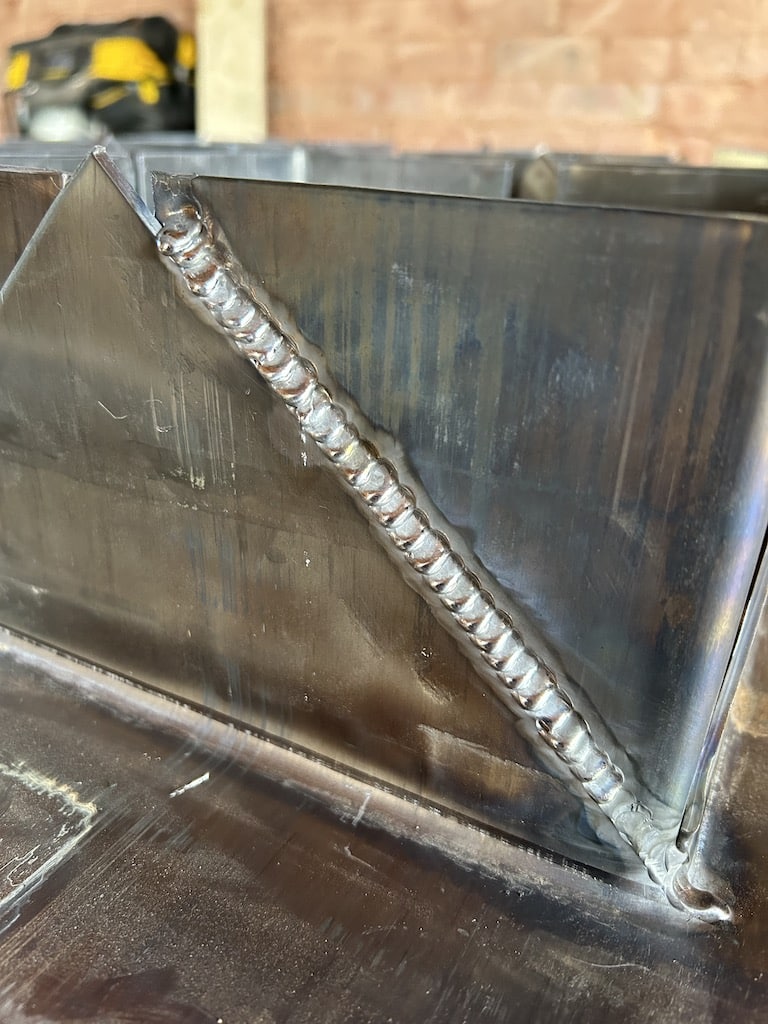
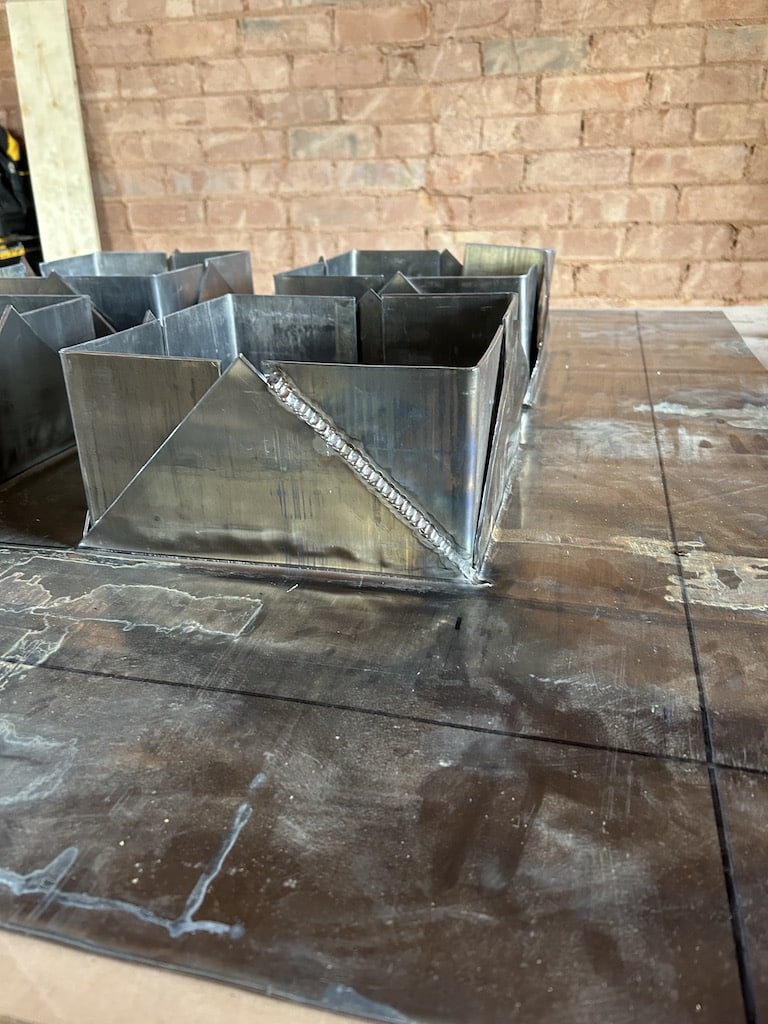
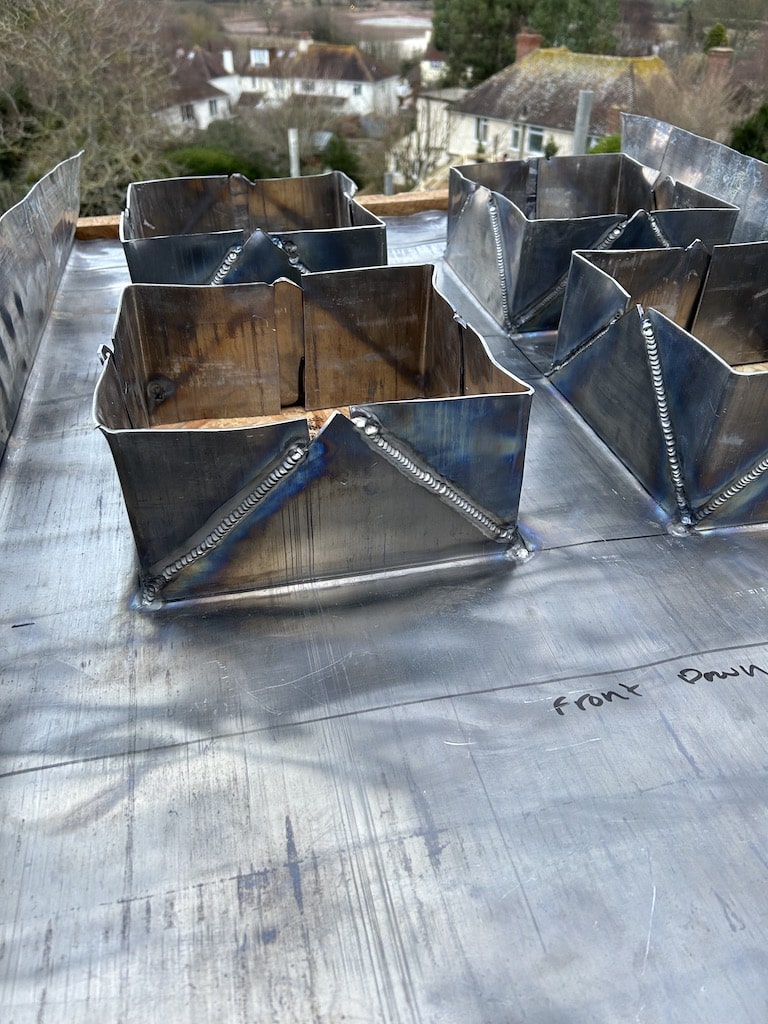
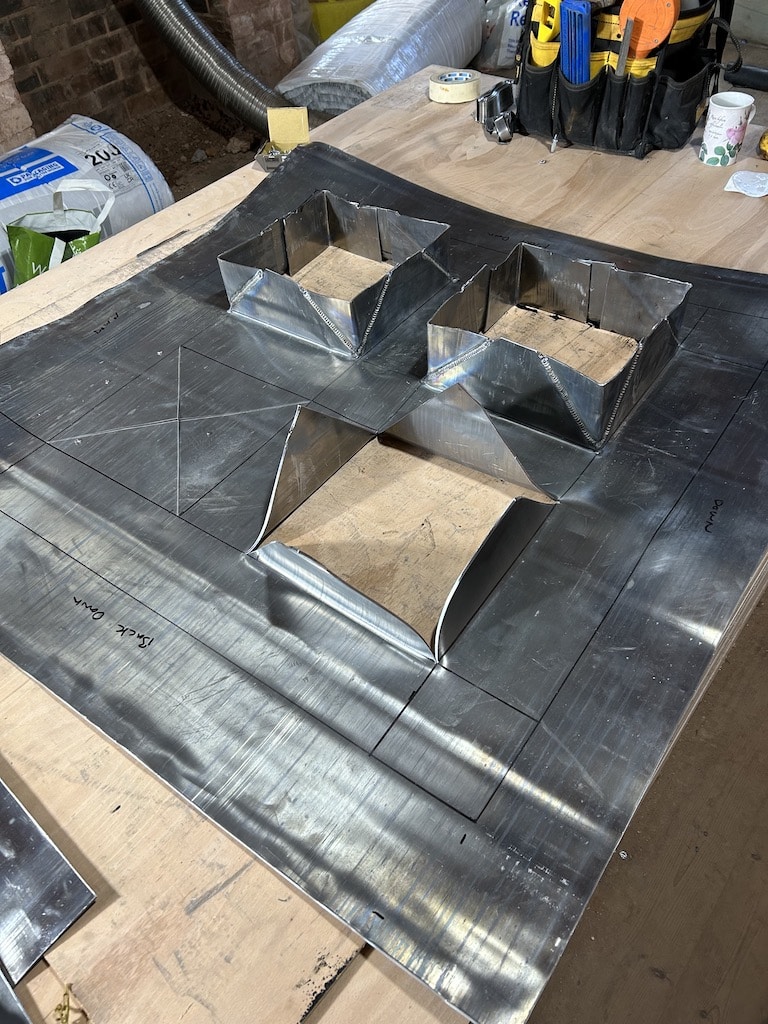
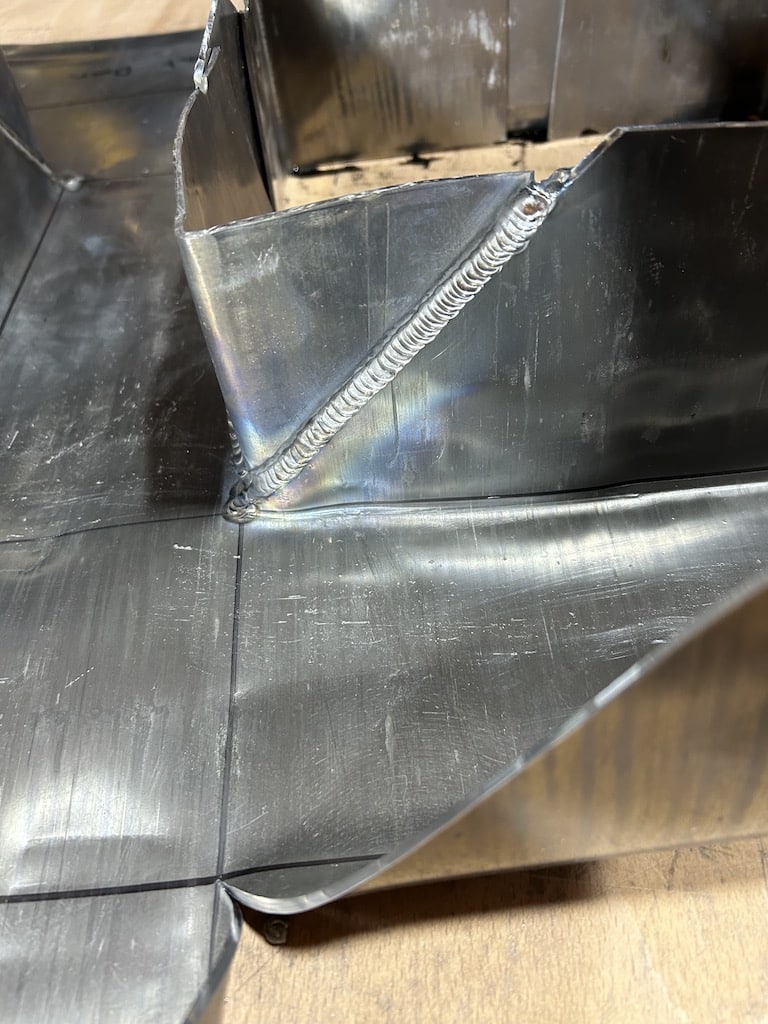
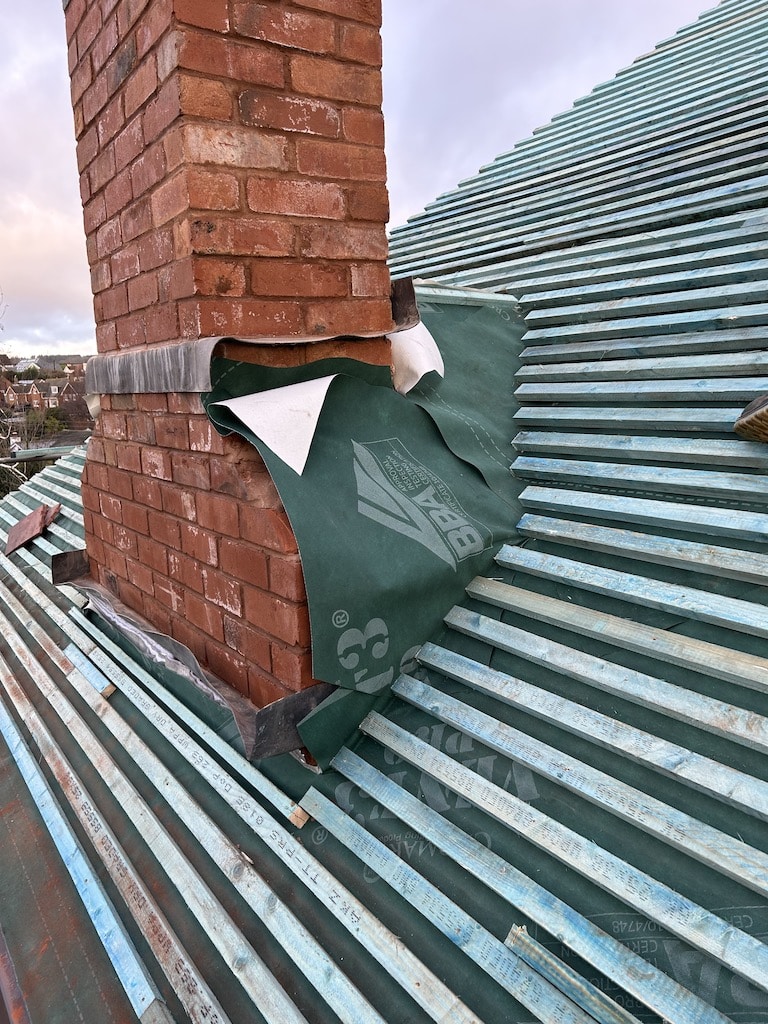
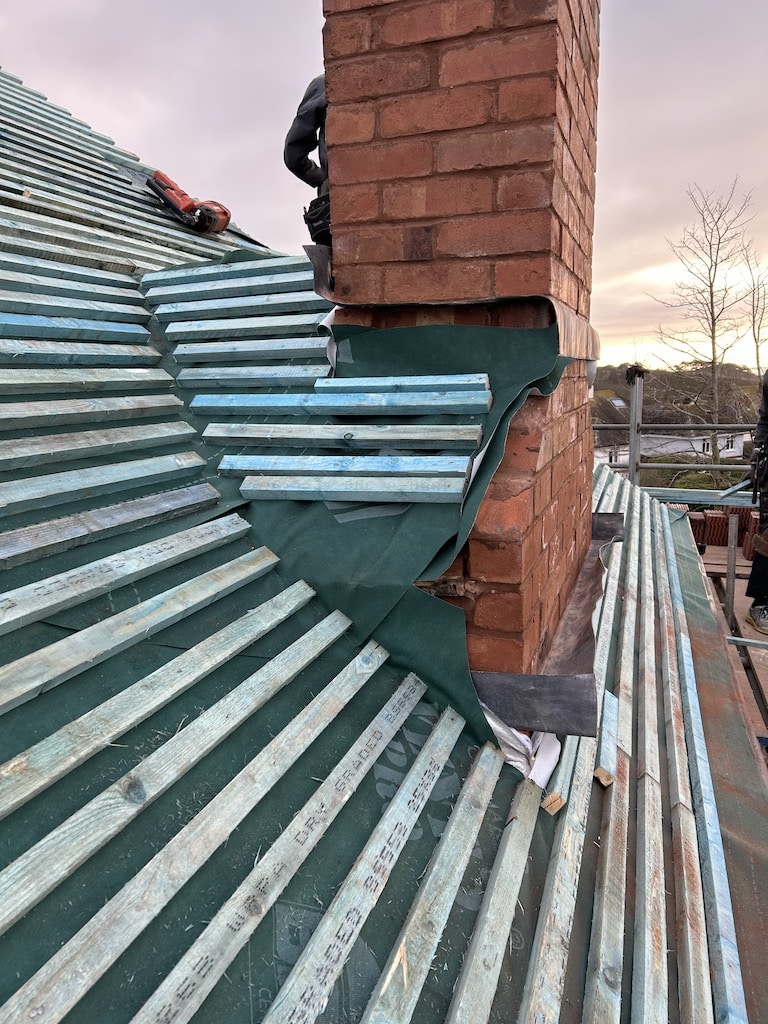
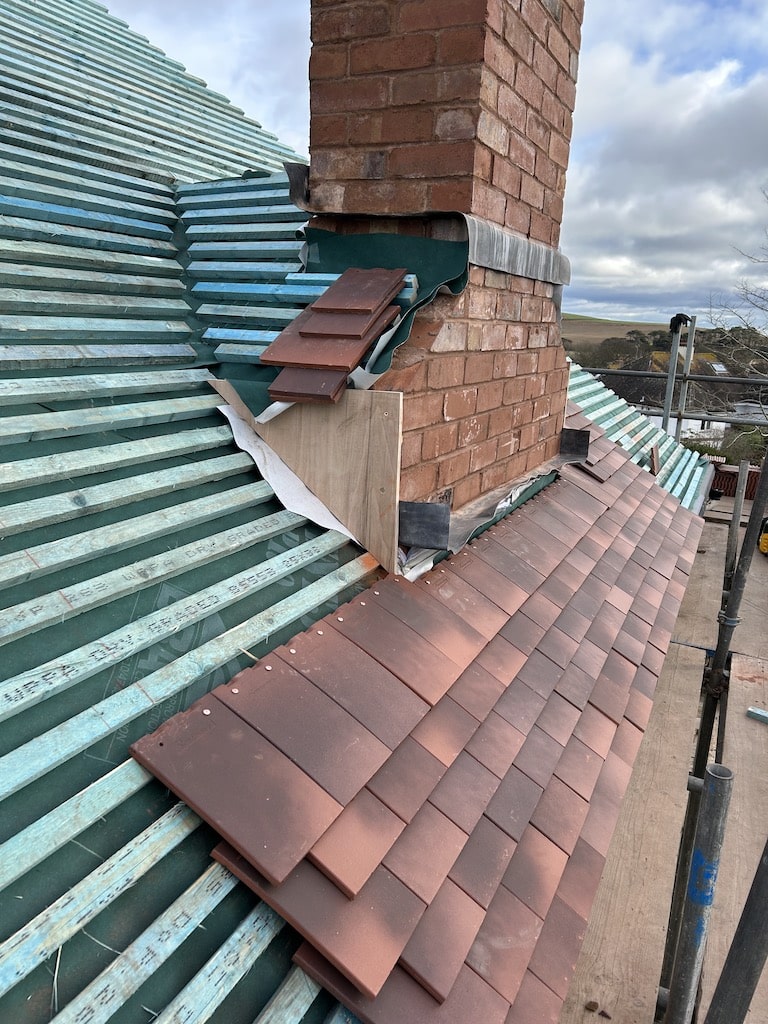
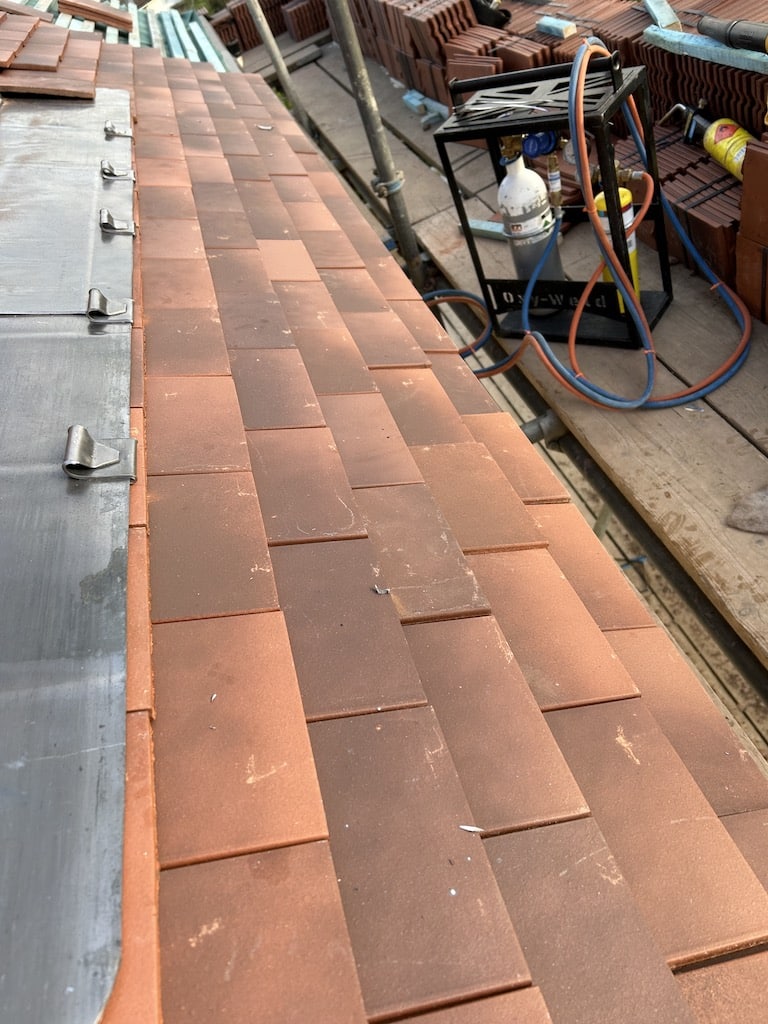
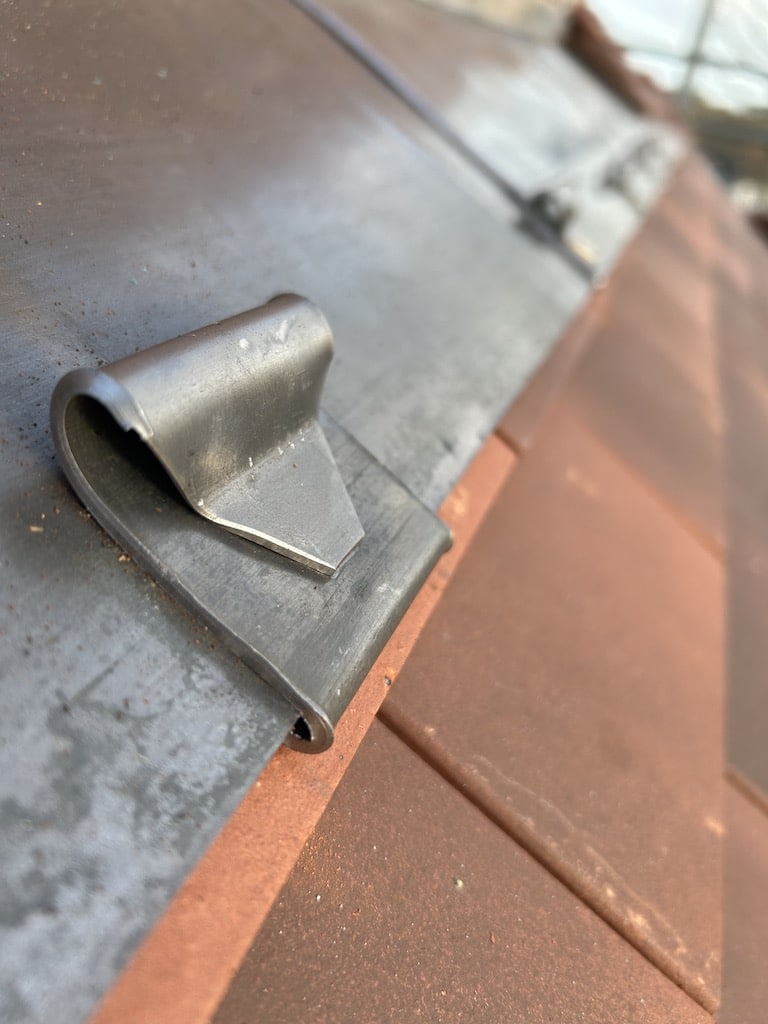
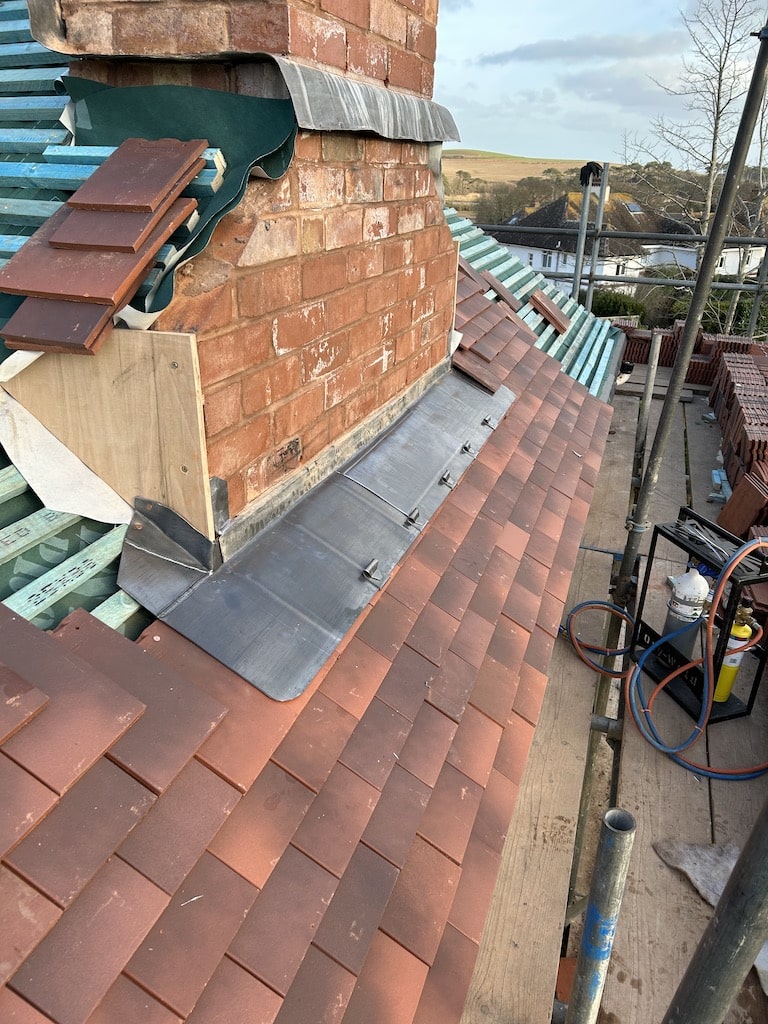
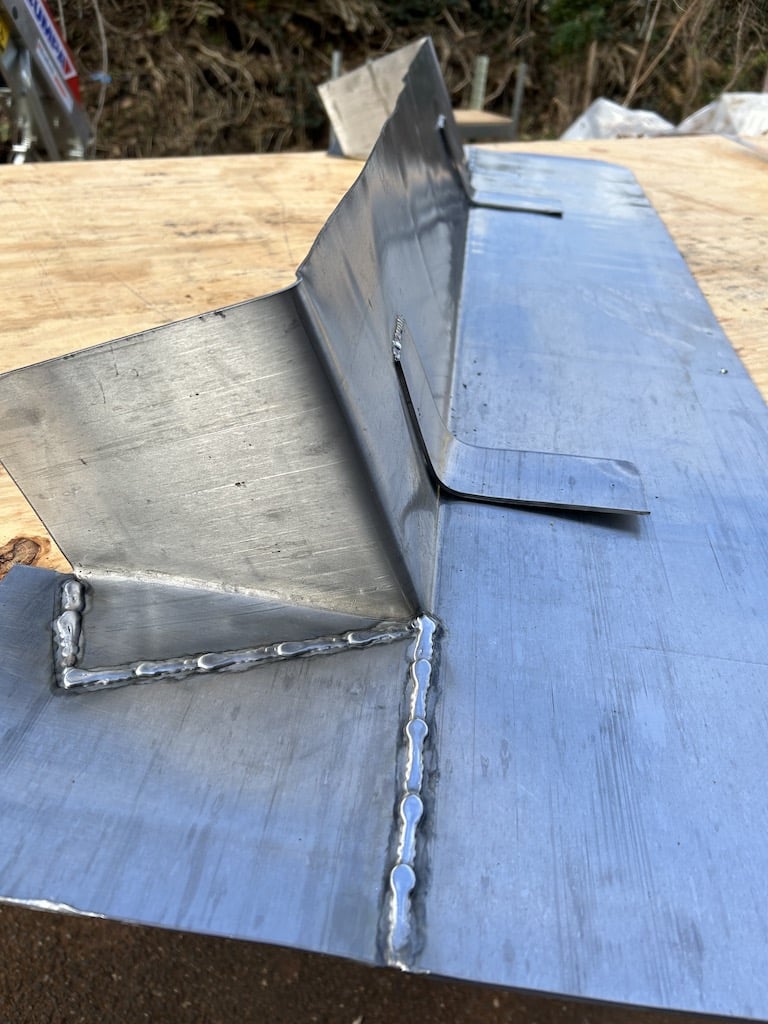
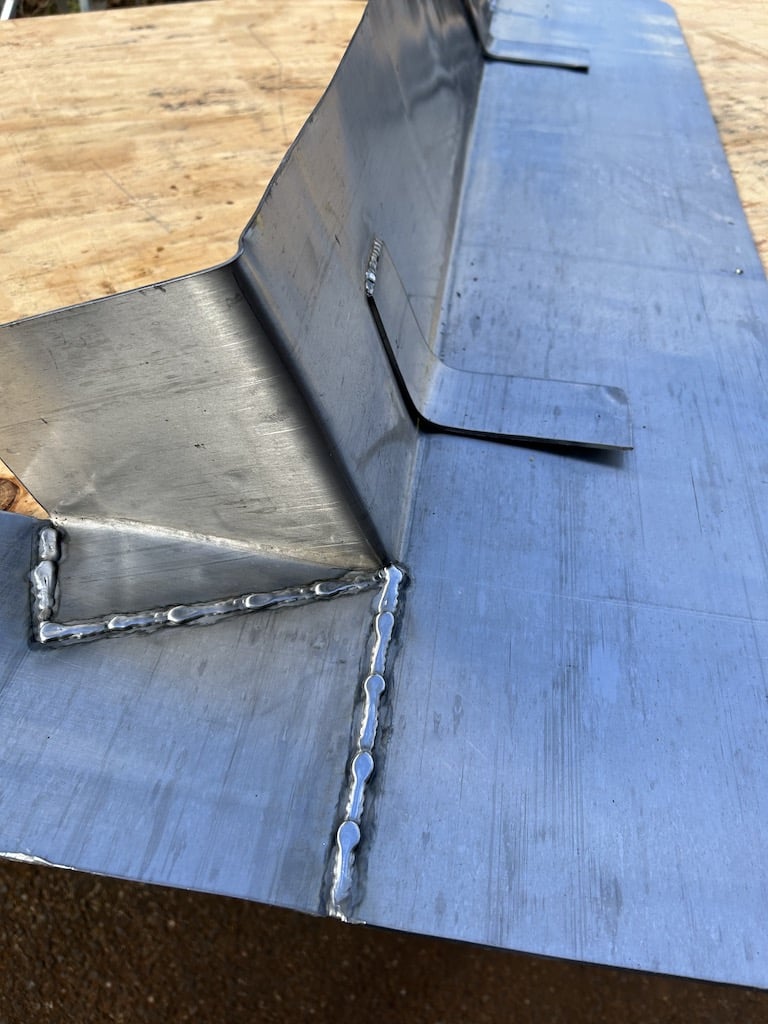
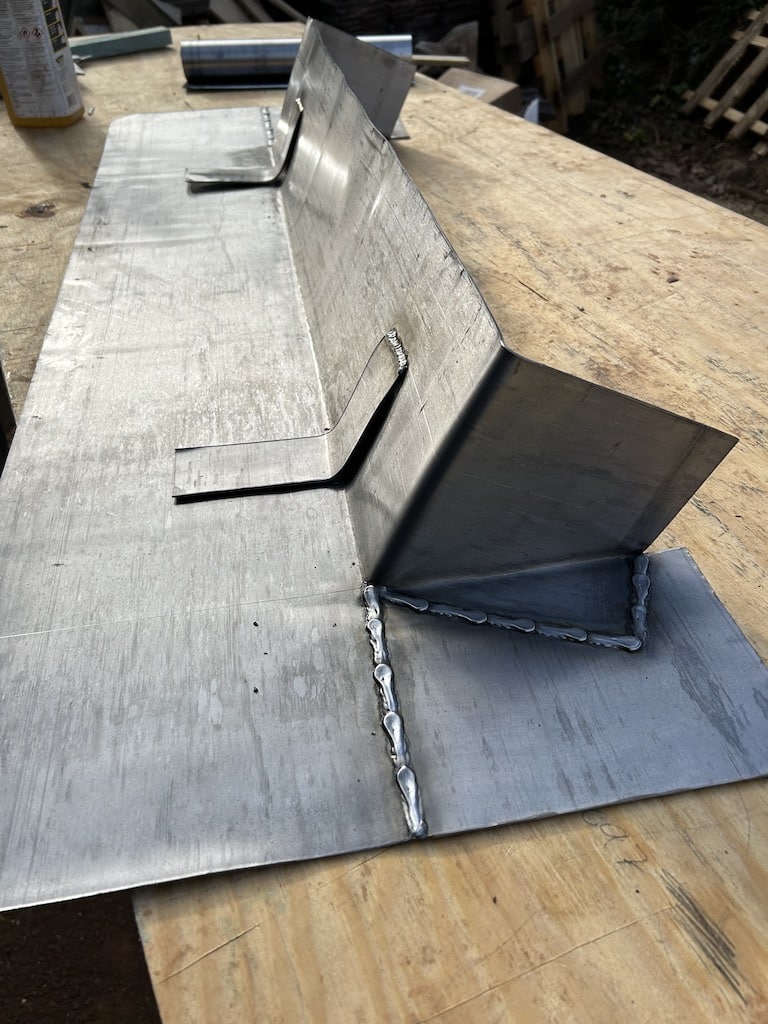
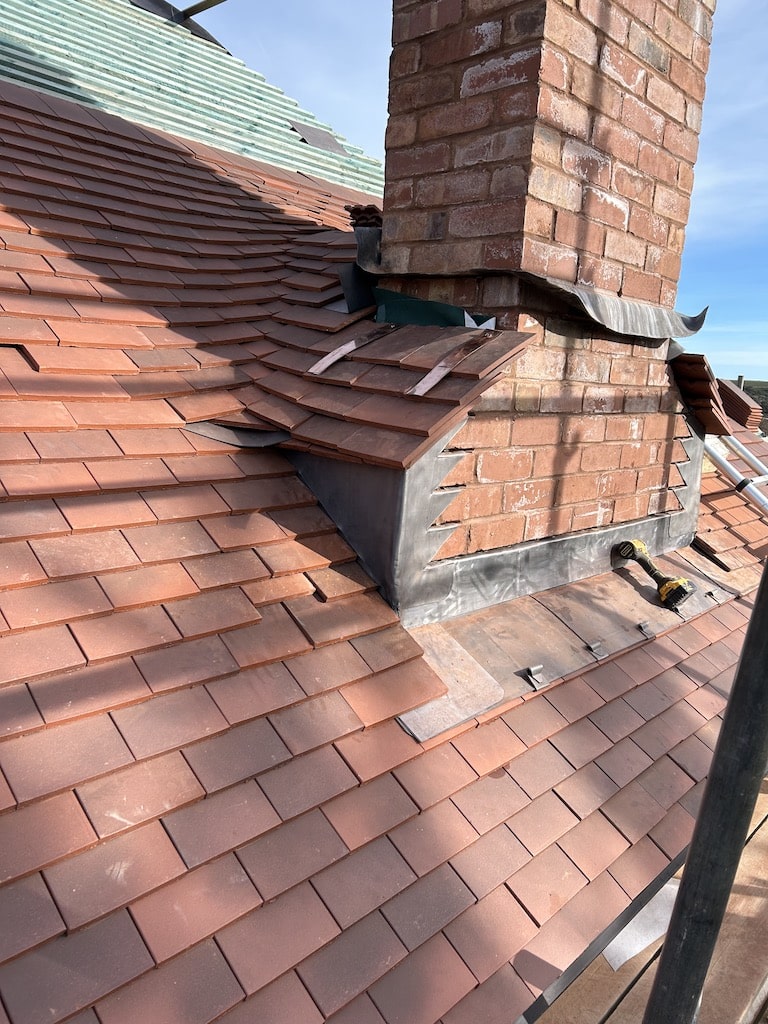
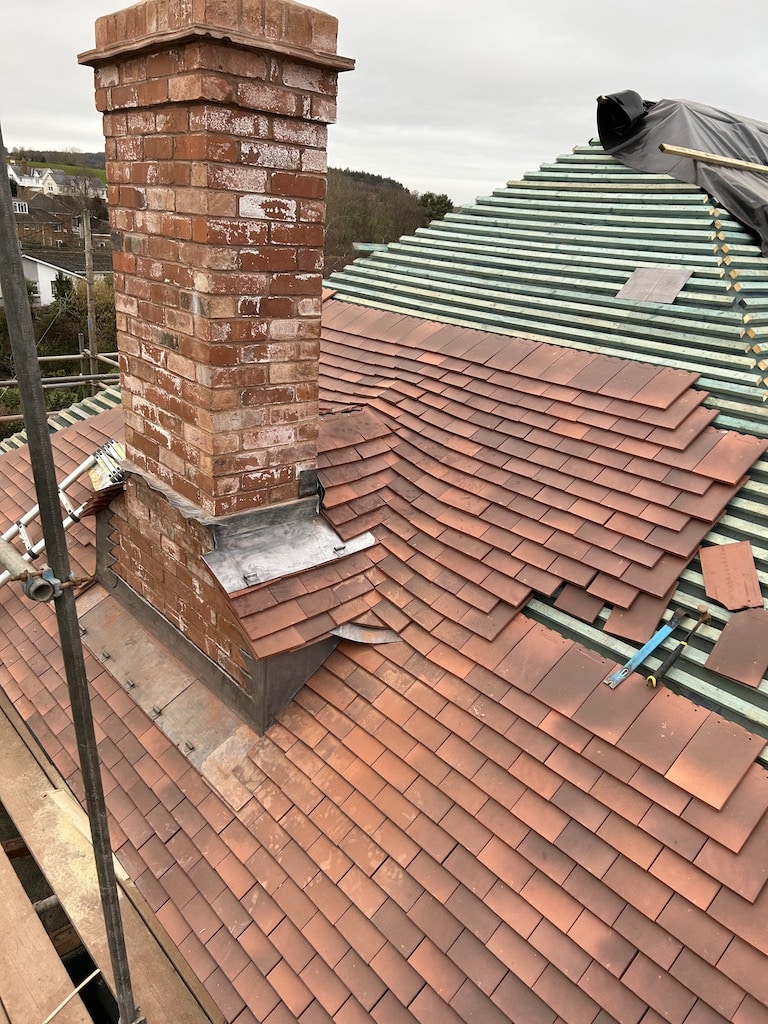
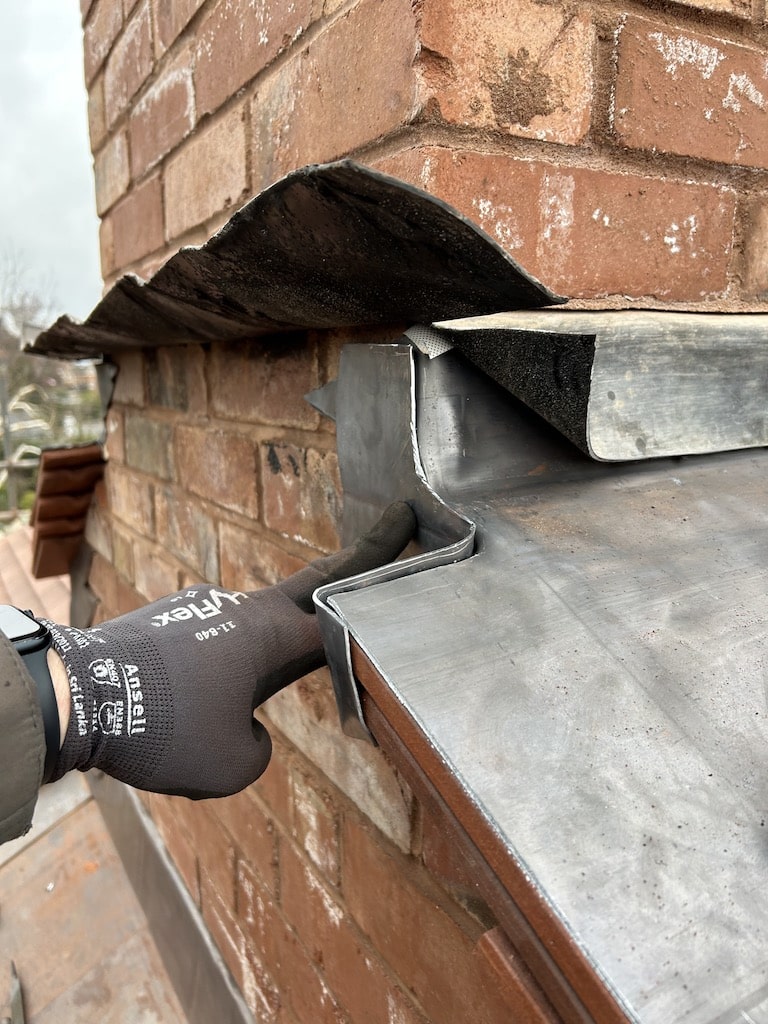
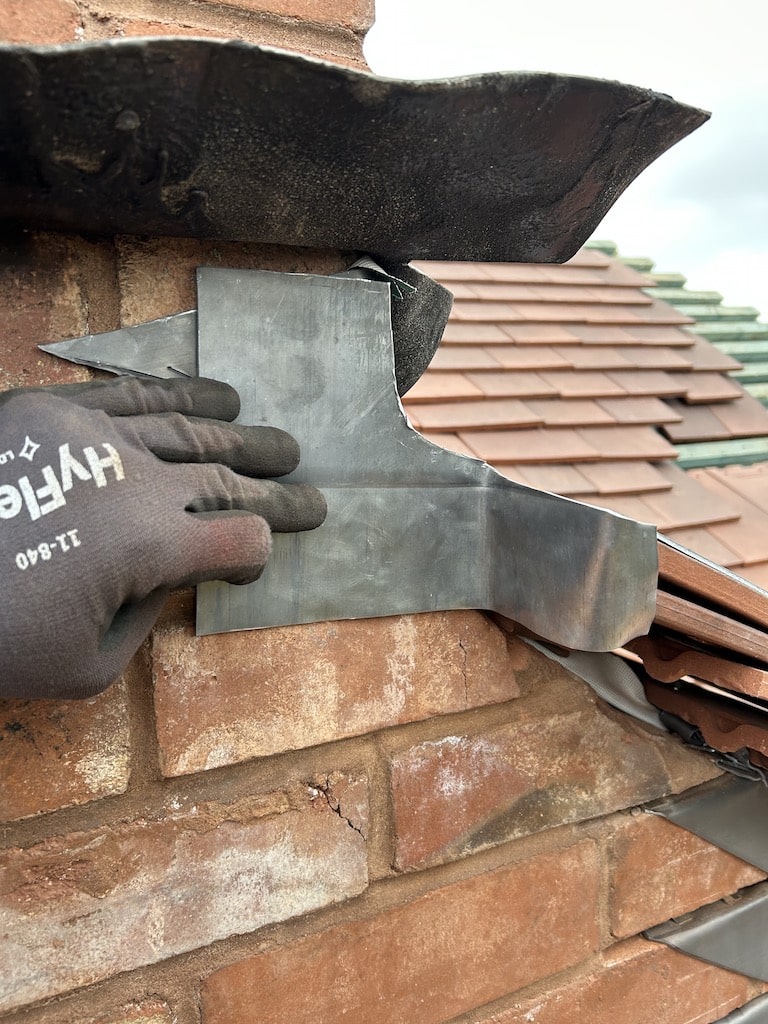
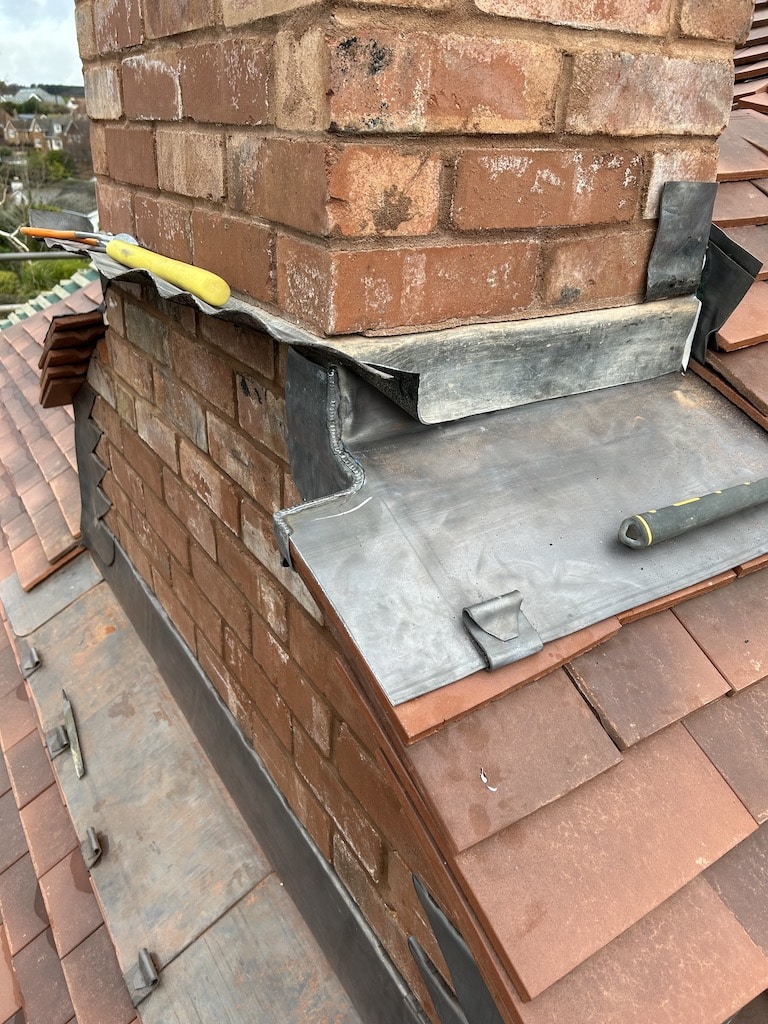
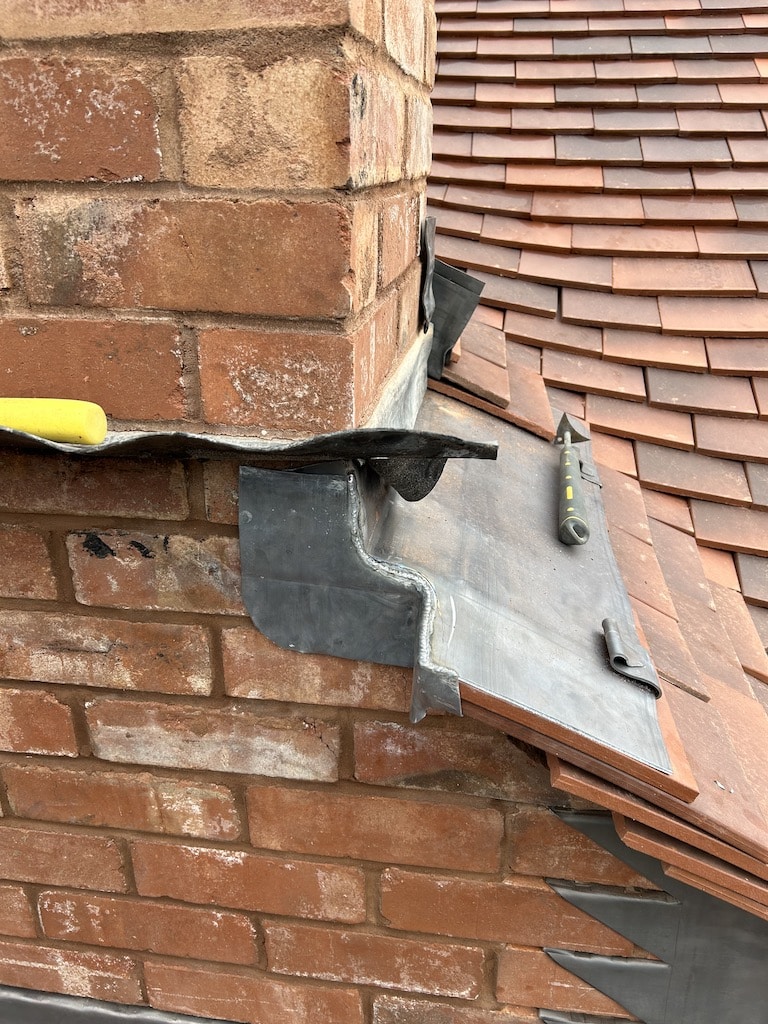
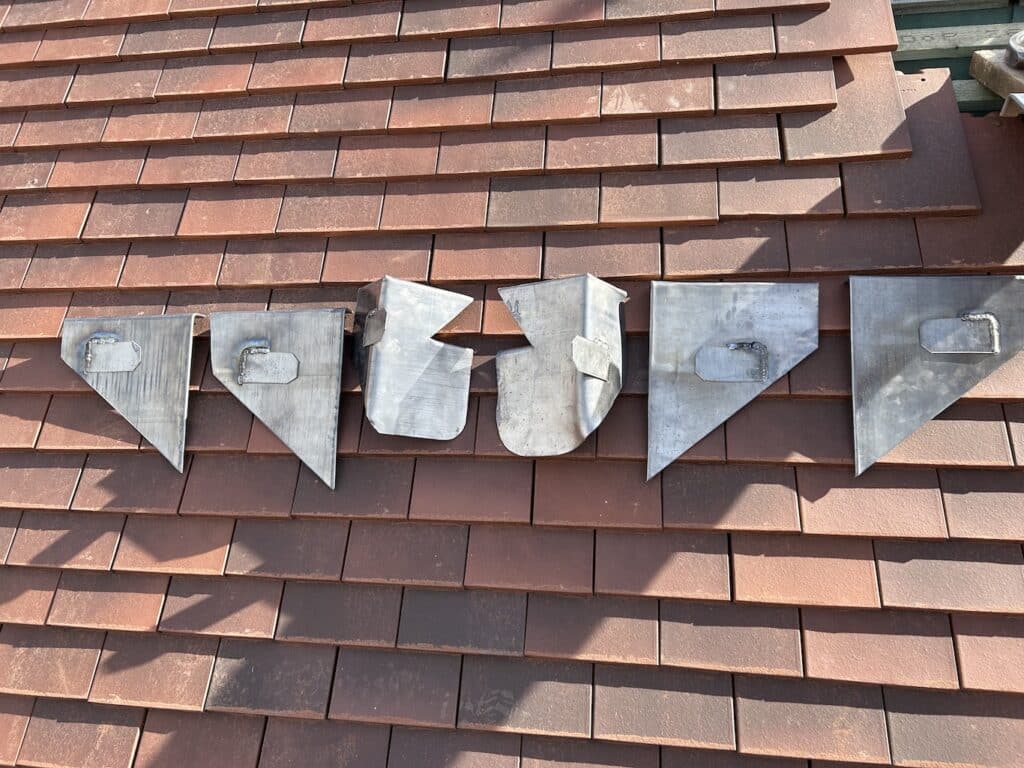
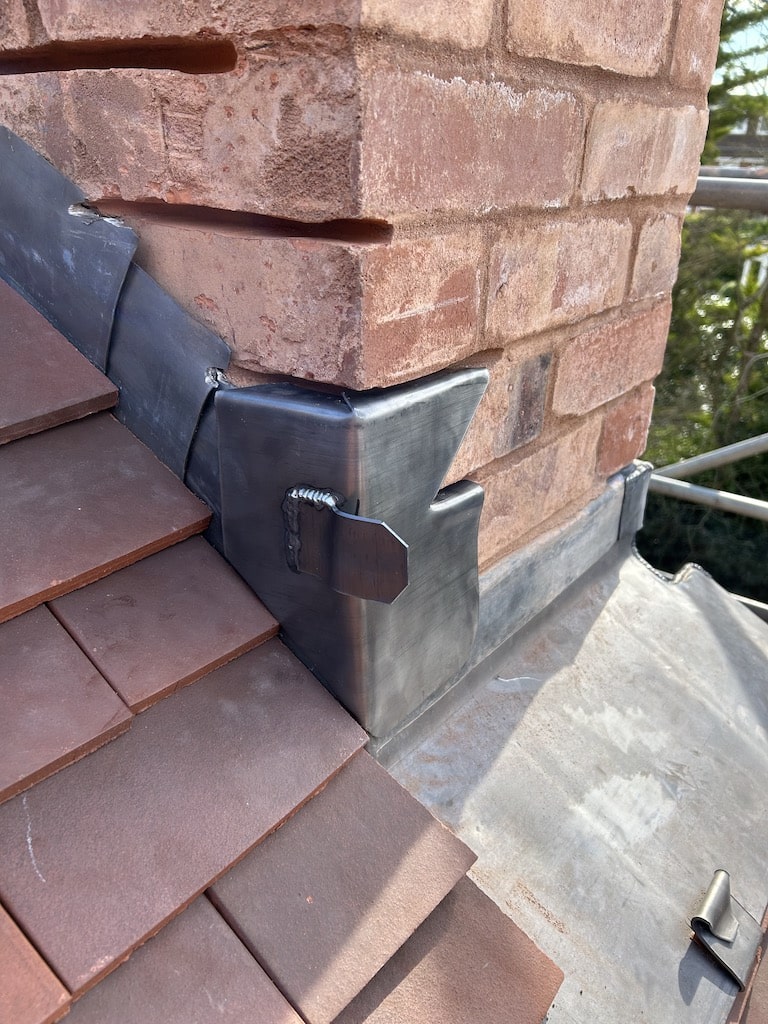
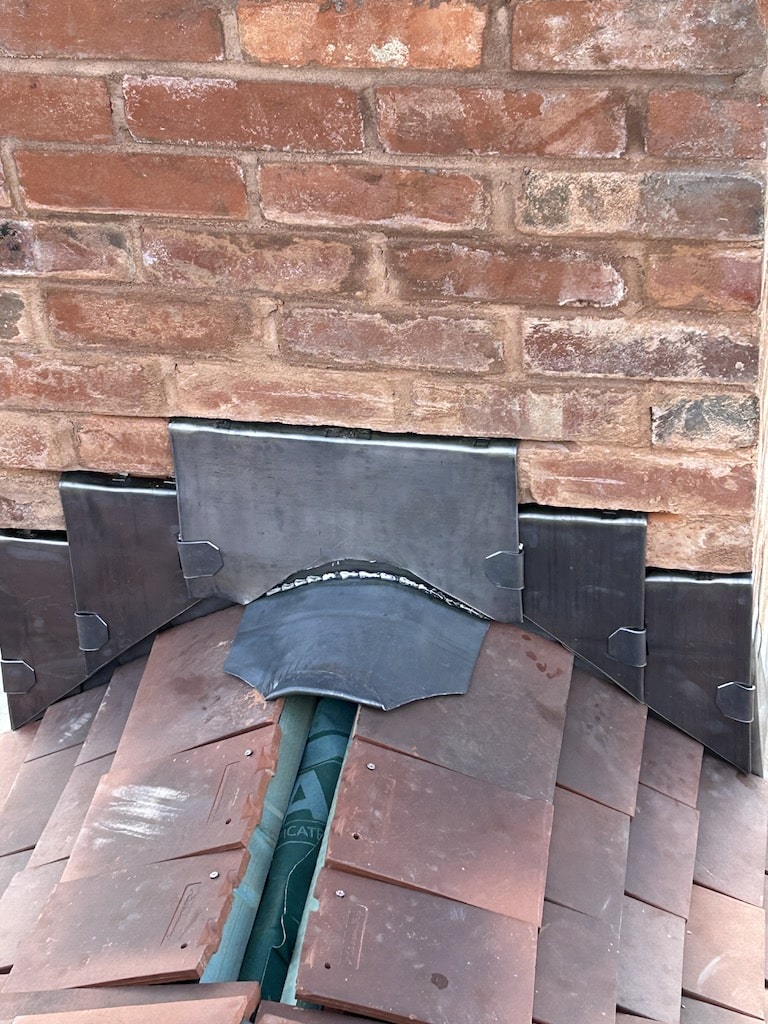
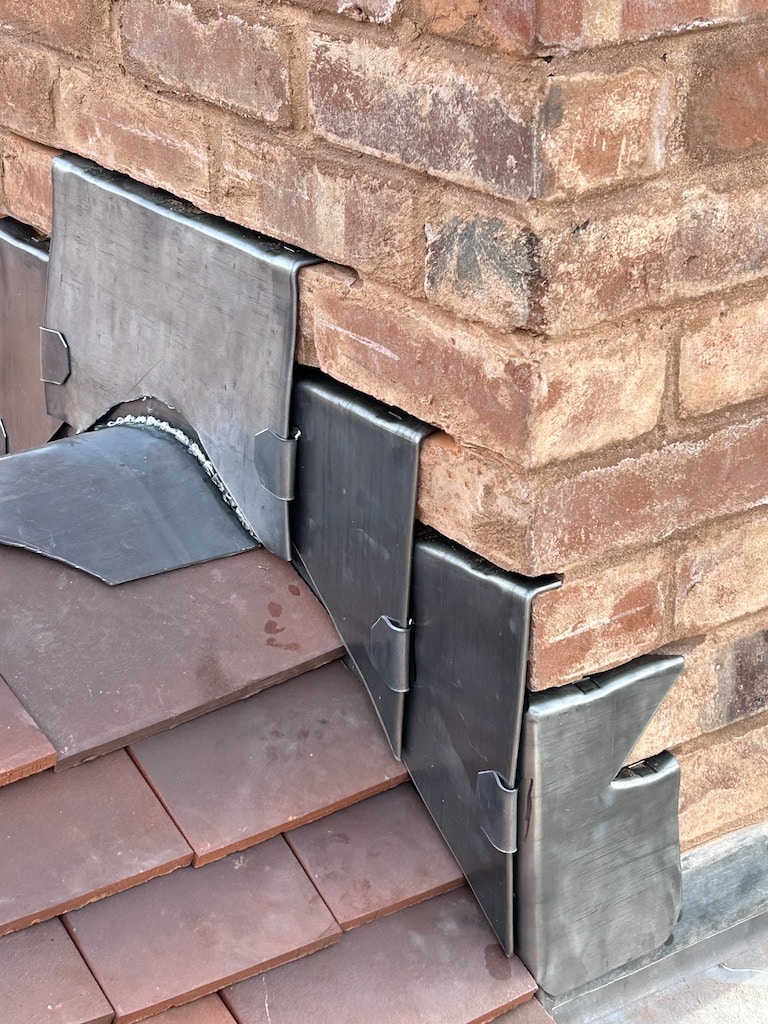
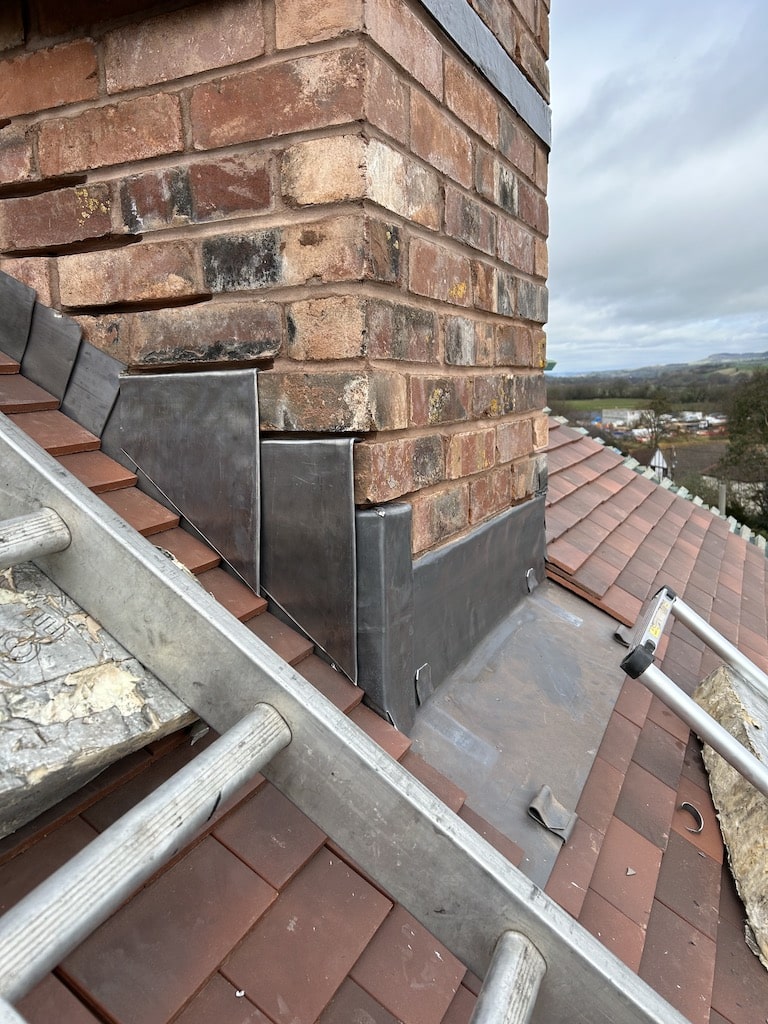
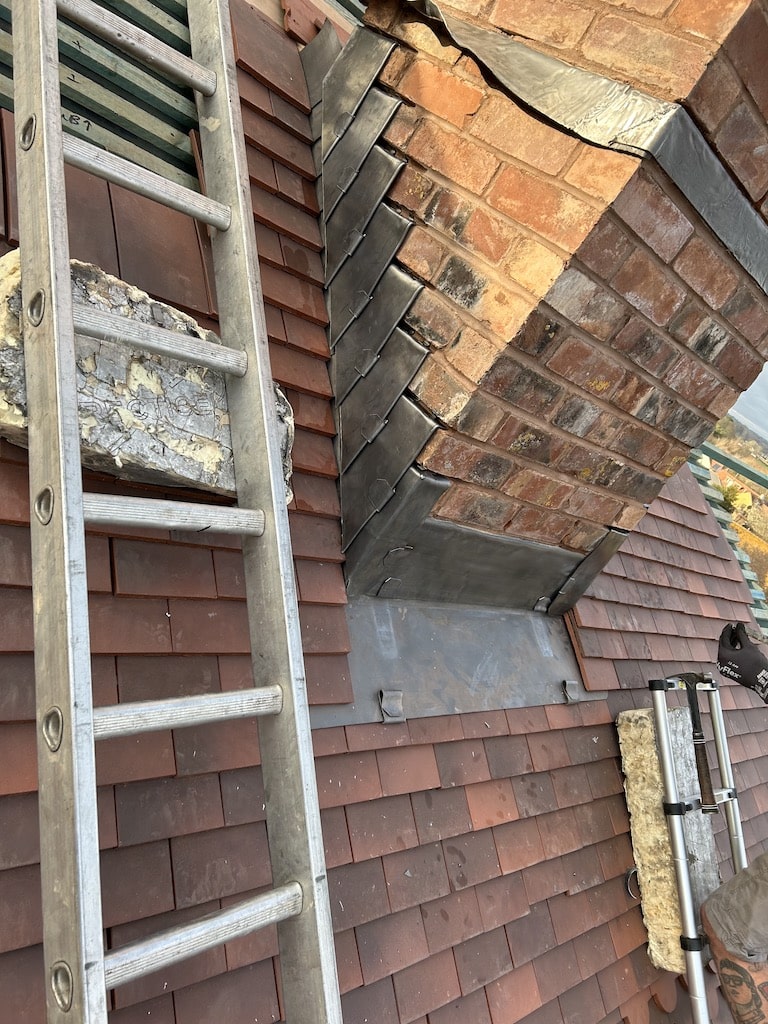
The chimneys on this project both received the typical Heritage Roofing Southwest belts and braces approach. Both with 2 lead damp course trays. Individual step flashing with single welts and welded clips. There is absolutely no chance the south westerly’s will be penetrating these chimneys in my lifetime.
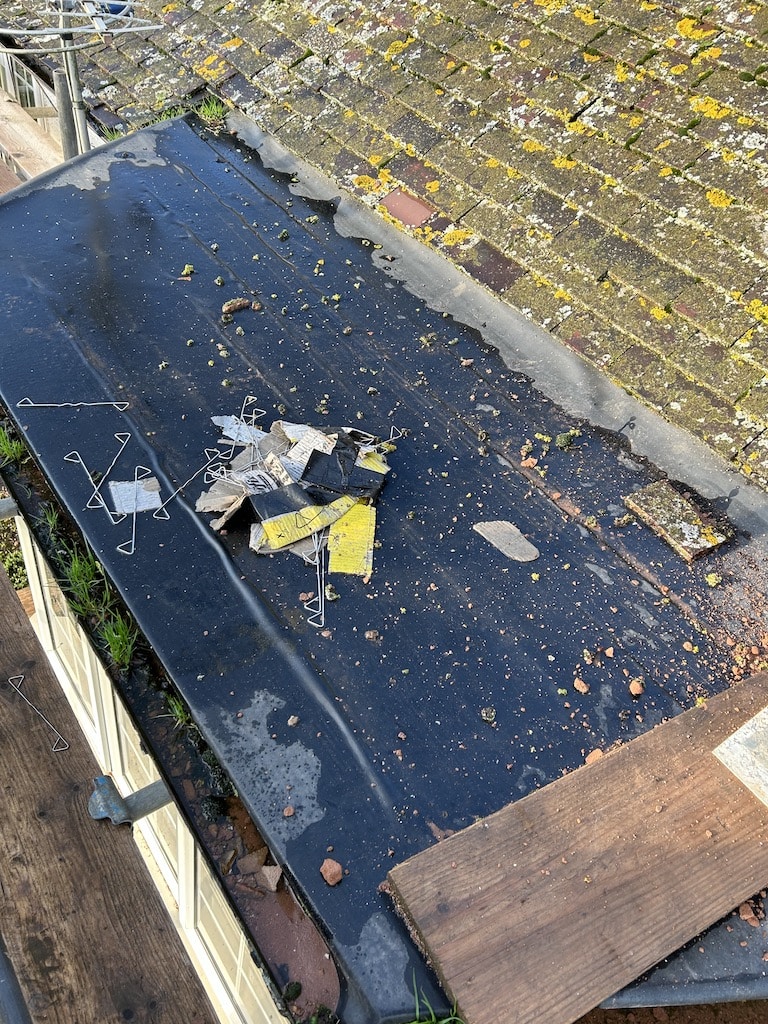
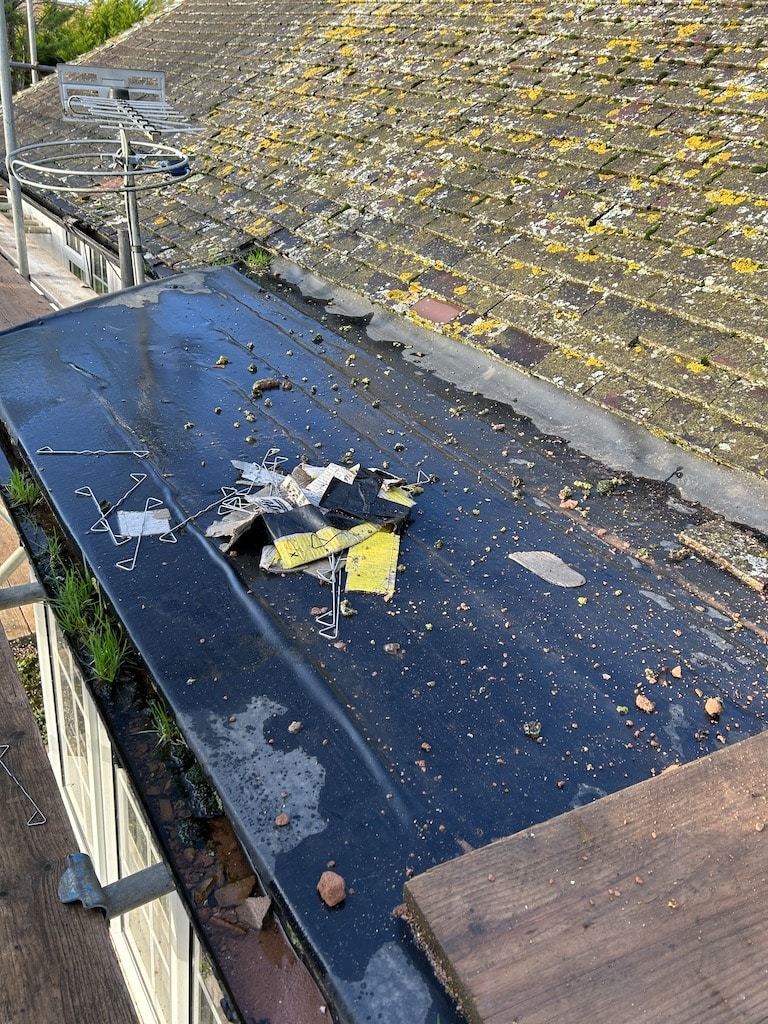
The carpenters on site will be installing the facias and the guttering. Once completed we shall return to install a lead bay window roof and complete the garage and porch.
Its jobs like these that truly inspire me to work hard at using old methods and techniques. Part of the reason we see less laced valleys (almost none in Devon) is due to the craft being forgotten. I’m truly proud to be a part of the shift in mentality in the roofing sector of the construction industry. I feel blessed to meet customers with similar attitudes to me and I pray this continues for us.
Next stop – Plymouth!