
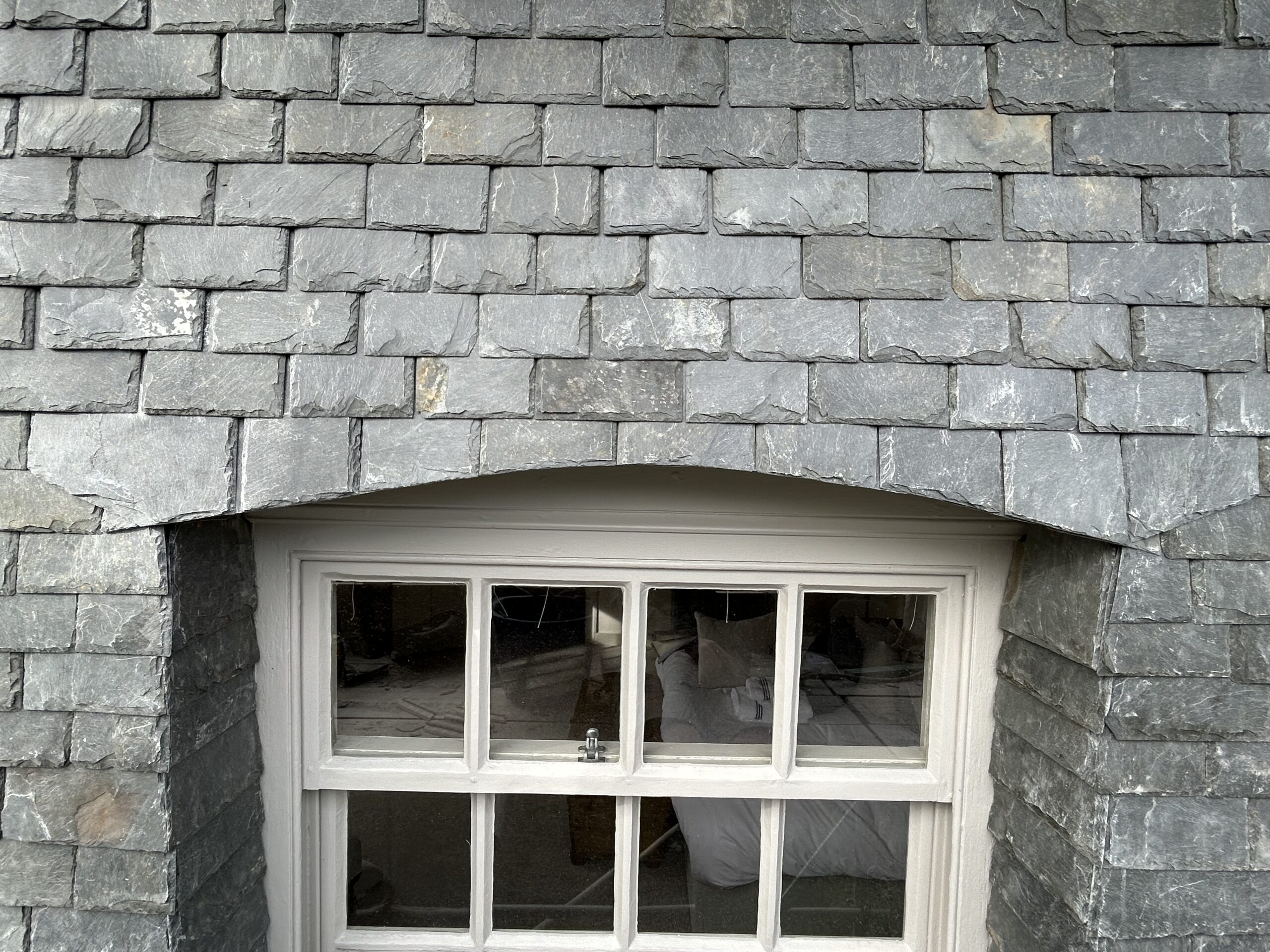
A hot topic in construction—especially in roofing—is the British Standards Institution (BSI) and its impact on our industry. Whether on site, in a merchant’s yard, or in a heated pub debate after work, the term BS 5534 is constantly thrown around. For those unfamiliar, BS 5534 is the British Standard for Slating and Tiling, essentially the industry benchmark for pitched roof installation in the UK.
You would think that owning a copy of BS 5534:2014+A2:2018 would be a given for anyone working in roofing. After all, if we’re striving for professionalism and accountability, surely we should all have access to the official guidelines, right? Well, that’s not the case. Unlike regulations, compliance with British Standards is voluntary, which means there’s no legal requirement for roofers to own or even read them.
But let’s be honest—how many roofers actually own a copy? And how many companies ensure that their employees have access to them?
What is BS 5534, and Why is it Important?
When BS 5534 is mentioned on site, it’s usually in relation to:
- Batten selection and spacing
- Counter-battening requirements
- Airflow and ventilation
- Insulation best practices
These are all crucial topics, but they barely scratch the surface of what BS 5534 covers. The document dives deep into every aspect of pitched roofing, including:
- All styles of roof coverings – Tiles, slates, shingles, and shakes, including the proper laps, side laps, and fixing methods.
- Geographical rainfall intensity – Also known as the Exposure Factor (E-Factor), this determines how roofing materials should be installed depending on regional weather conditions.
- Wind uplift calculations – Guidance on how to securely fix tiles and slates to prevent them from being blown off.
- Fixing recommendations for ridges, hips, and valleys – Including dry-fix and wet-fix systems.
- Underlay requirements – The correct selection and installation of breathable and non-breathable underlays.
In short, BS 5534 is the bible of pitched roofing. It’s packed with technical data, diagrams, and specifications that help ensure we get it right the first time.
But It’s Not Just BS 5534…
BS 5534 is just one of many standards that apply to roofing. There are also:
- BS 5250 – Control of Condensation in Buildings (crucial for airflow and insulation).
- BS 6229 – Flat Roofing Design and Installation.
- BS 6915 – Workmanship on Building Sites (including roof work).
- BS EN 14782 & BS EN 14783 – Standards for hard metals such as zinc and copper.
- BS 1202-3 – Fasteners and fixings for roofing.
- BS EN 12588 – Lead Sheet Standards.
- BS 8103 – Structural performance of roofing components.
And that’s just scratching the surface. For those of us working in heritage roofing, there’s a whole additional set of guidelines, including BS 7913 for the conservation of historic buildings.
So, if you’re serious about roofing and working to high standards, you need a whole library of British Standards—not just BS 5534.
Why Aren’t More Roofers Given Access to BS 5534?
If we want to raise industry standards, shouldn’t every roofer, apprentice, and construction worker have access to these documents?
The problem? Cost.
A digital copy of BS 5534 costs around £350, and it’s delivered as either a non-printable PDF or a double-sided paper document—with no protective folder or hardcover. Not exactly a user-friendly format for a site worker who needs quick access.
That’s a hefty price tag, especially for small businesses, apprentices, and self-employed roofers. If we truly want more professionals to work to standard, shouldn’t these documents be more affordable and accessible?
Are British Standards Worth the Investment?
Despite the price, owning British Standards is worth its weight in gold.
I’ve personally found BS 5534 invaluable—not just as a reference, but as a reassurance. There are times when you’re standing on a roof wondering:
“What was the correct fixing method for this exposure zone?”
“How much overlap should I have for these slates in a high-rainfall area?”
“What does the standard say about fixing methods for these ridge tiles?”
Instead of relying on memory or guesswork, having the document in hand means I can double-check the official guidance.
It’s also a brilliant educational tool. Whether you’re an experienced roofer or an apprentice, BS 5534 helps reinforce best practices and prevent costly mistakes.
Why Are British Standards So Hard to Read?
Now, I’ll be the first to admit—BS 5534 is not light reading.
If you’ve ever flicked through it, you’ll know what I mean. The layout is dense, the sections are hard to navigate, and some of the terminology is far from user-friendly.
But with a bit of patience, it gets easier to understand. My advice? Print out key sections and highlight important details. Over time, you’ll become familiar with the key parts you need for day-to-day work.
Should BS 5534 Be Free or Discounted?
One argument that keeps coming up is: Should British Standards be freely available?
Other industries provide easy access to standards and regulations. For example, building regulations are freely available online through government websites. So why should a roofer have to pay £350 for essential installation guidance?
Some potential solutions include:
- Discounted copies for apprentices and small businesses.
- Industry sponsorships to cover costs.
- A government-backed initiative to make BS 5534 free to accredited tradespeople.
- Subscription-based access to all relevant standards at a reasonable price.
These solutions would go a long way in ensuring that more roofers work to British Standards, ultimately raising the quality and professionalism of the industry.
Conclusion: Raising the Bar in Roofing
British Standards exist for a reason—to ensure quality, safety, and durability in construction. Yet, despite their importance, access remains limited due to high costs and complex layouts.
If we want to change the perception of roofing, improve installation quality, and raise industry standards, then more effort needs to be made to make these standards widely available and easy to understand.
For those serious about working to the highest standards, investing in BS 5534 is a no-brainer. But it shouldn’t be this difficult to get hold of the information we need to do our jobs properly.
So, let’s keep the conversation going—should British Standards be more accessible? Should they be free? And what can we do to ensure more roofers work to standard?

