The Historic Roof Restoration of Blenheim Palace
Preserving One of Britain’s Architectural Masterpieces
The United Kingdom is home to some of the most globally recognized architectural wonders. From Stonehenge to Hadrian’s Wall, these historic landmarks chart a timeline of human ingenuity, craftsmanship, and resilience. Weaving through centuries of history, we arrive at castles, cathedrals, and palaces, each standing as a testament to their era’s finest artisans. Among these grand structures, Blenheim Palace, a UNESCO World Heritage Site, remains one of the country’s greatest gems.
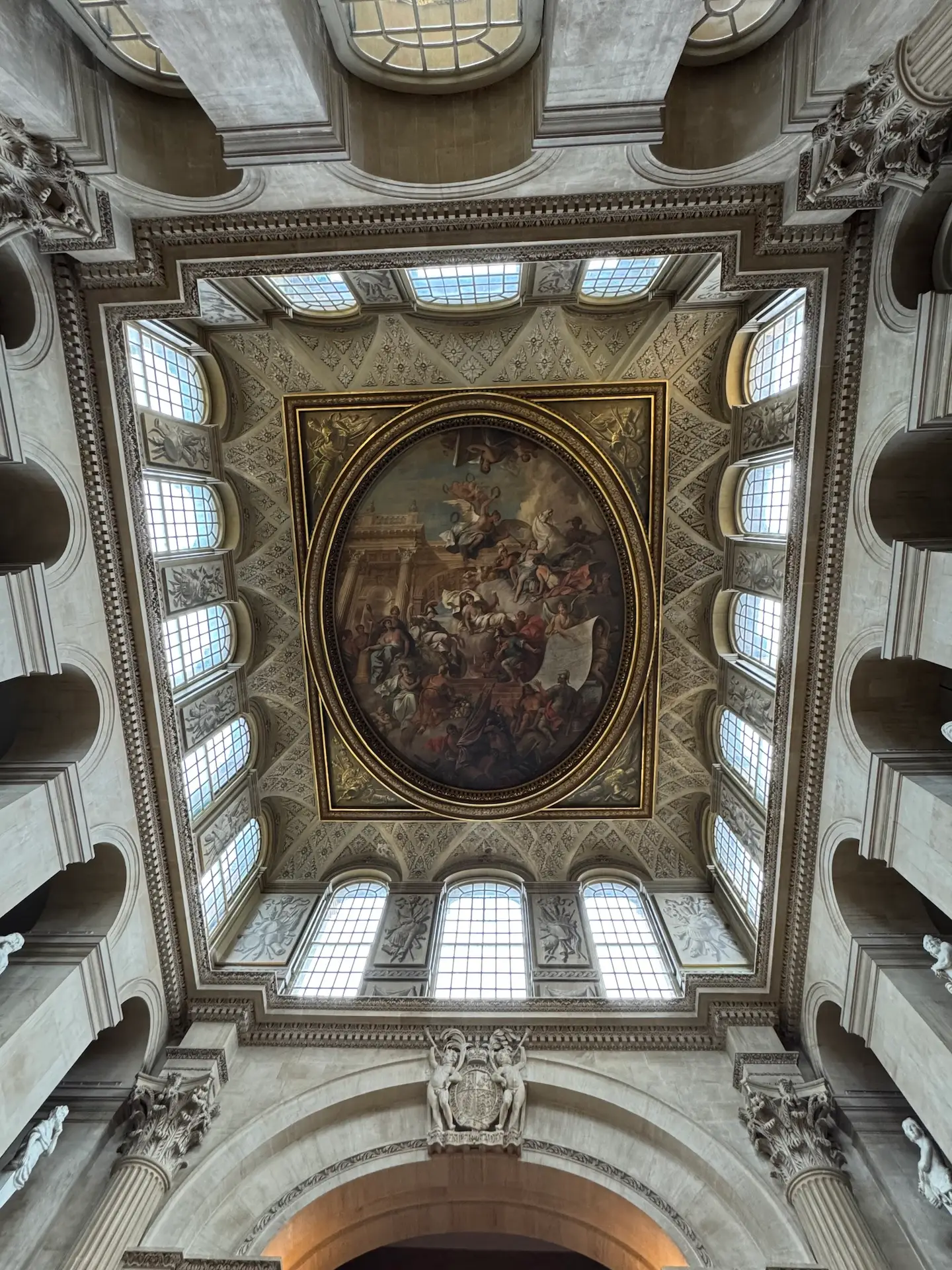
Though known to many as the birthplace of Sir Winston Churchill, Blenheim’s grandeur extends beyond its historical significance. It is a masterpiece of Baroque architecture, adorned with elaborate stonework, intricate detailing, and one of the most breathtaking ceiling paintings in the country.
The ceiling of the Great Hall, painted in the early 18th century by Sir James Thornhill, captures the eye with its striking allegorical scenes, masterful use of perspective, and sheer scale. Standing beneath this artwork, one is instantly transported back in time, overwhelmed by its artistic brilliance and historical weight. It is a treasure that must be protected at all costs.
However, as with many of Britain’s great heritage buildings, time and the elements take their toll. Maintaining a structure of this significance is no small feat—particularly when it comes to its most crucial line of defense against nature: the roof.
The Challenge of Heritage Maintenance in a Changing Climate
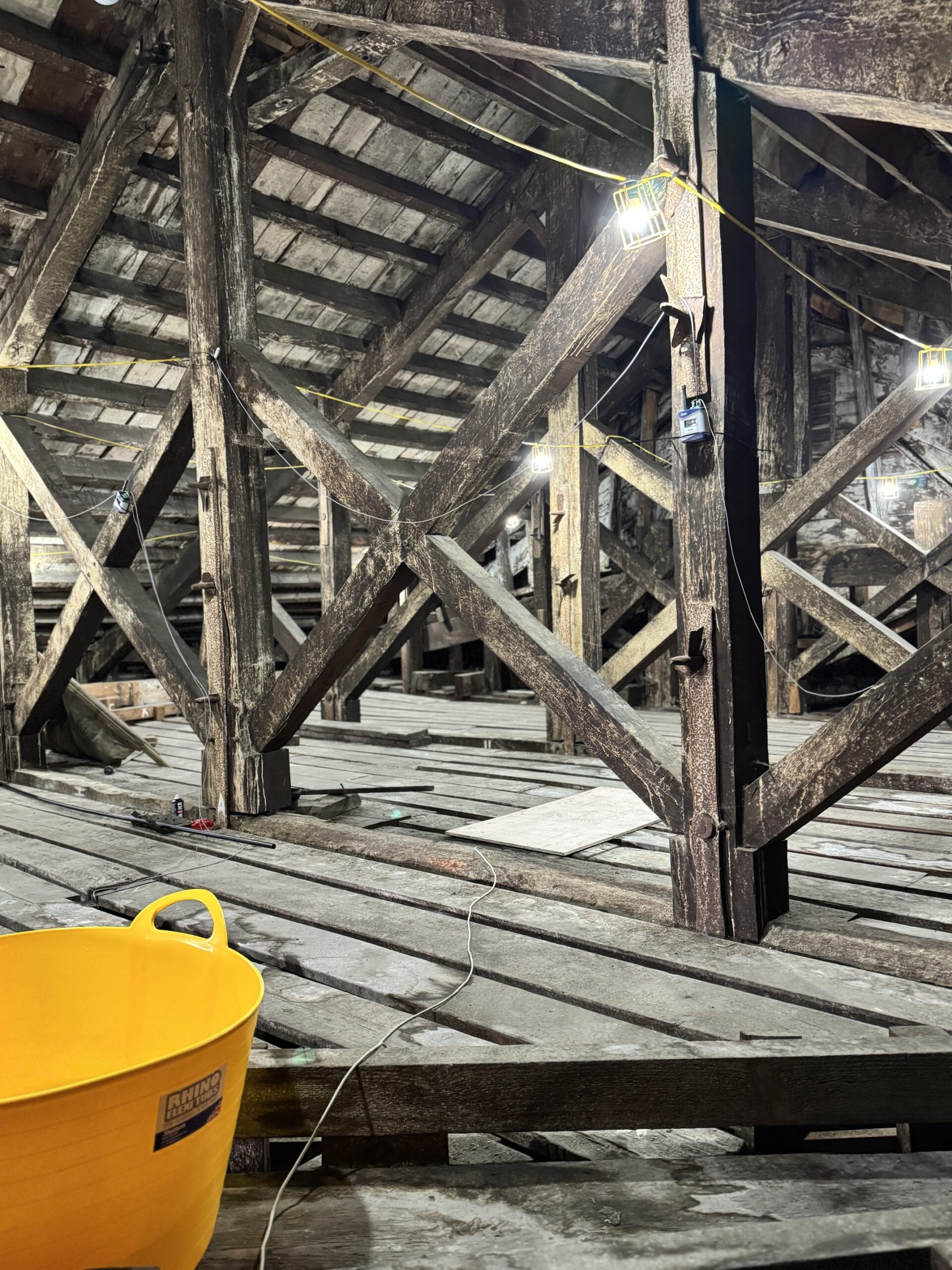
The annual maintenance of historic buildings is an enigma of its own. Every decision must balance preservation, authenticity, and modern conservation techniques—all while contending with the realities of climate change, aging materials, and structural challenges. As shown in the photos even palaces require buckets to catch leaks, placing all custodians in a shared boat of what to do when you have a leaky roof. Get your buckets out and deal with it!
For Blenheim Palace, roof maintenance is not simply a matter of patching up leaks. The very fabric of the building must be handled with care, as altering or replacing any element improperly could compromise the integrity of the entire structure.
With increasingly severe storms, rising rainfall intensity, and hotter summers reshaping Britain’s weather patterns, conservation efforts must now address a new set of challenges. The roofs that once withstood centuries of relatively stable conditions are now being tested by extremes. For a roof replacement to last another 200-300 years, modern adaptations must be seamlessly integrated into traditional craftsmanship.
Blenheim Palace’s Heritage Officer, Kelly O’Driscoll, understands this balance better than most. Her approach to building conservation is pragmatic yet deeply respectful of historical authenticity. Meeting her reveals a passion for preservation and a commitment to “doing things properly”—a sentiment that serves as the very foundation of Blenheim Palace’s restoration philosophy. One of the countries leading architects Edward Lewis from Donald Insall has teamed up with Kelly and even from first acquaintance its clear that the synergy between the two is incomparable.
Now, the palace is about to embark on one of the most ambitious restoration projects in its history—the complete replacement of the Great Hall’s roof.
A £12 Million Restoration to Protect History
The Great Hall roof restoration is set to be one of the most significant heritage conservation projects in Britain. Estimated at a cost of £12 million, this endeavor aims to exceed all current conservation and building standards, ensuring that the magnificent ceiling painting, historic windows, and surrounding architecture remain protected for at least another century.
To put it into perspective, the last major work on this section of the roof was completed nearly 200 years ago, and many of its components may date back to the palace’s original construction in the early 1700s. To see a roof last over three centuries is an astonishing achievement—one that speaks to the quality of craftsmanship that originally went into Blenheim’s construction.
The Roof Structure and Its Historic Materials
The current roof structure is a masterpiece of traditional British construction techniques. The covering consists of sand-cast lead bays, which were likely cast on site, skillfully joined together using hollow roll detailing, a method designed to allow for natural expansion and contraction.
Beneath the lead covering lies a sarking layer of vertical English oak planks, an age-old method that provides structural integrity while allowing the building to “breathe.” Interestingly, parts of these planks appear to have been lime-washed on the underside, an early technique adopted to help protect against insects and moisture.
Architect Edward Lewis leading the design, also pointed out that the attic space being dark would’ve been lifted by the bright white hot lime wash painted onto the planks.
The Restoration Process: Merging Tradition with Innovation
The complexity of replacing a heritage roof at this scale cannot be overstated. Every element must be carefully considered, from materials sourcing to the techniques used in fabrication and installation.
The lead sheeting, for instance, cannot simply be replaced with modern factory-produced alternatives. Instead, every ounce will be faithfully recycled using traditional sand-casting methods, ensuring the new roof retains the same visual and structural integrity as the original. Our forefathers really did think about the future of these wonderful buildings. Just knowing that all the lead currently in place will be back safe and sound to provide more hundreds of years of protection aids a great nights sleep for any restoration enthusiast, including me!!
But historical accuracy alone is not enough. The restoration must also incorporate modern advancements to ensure the roof can withstand the climatic conditions of the next century.
Some of the key challenges include:
- Enhancing water drainage to handle increased rainfall intensity.
- Adapting thermal performance to cope with hotter summers.
- Preserving the oak sarking boards where possible while replacing sections that have deteriorated beyond repair.
- Ensuring that the historic ceiling remains entirely undisturbed during the restoration process.
- Managing a new temporary guttering system whilst the rainwater goods are upgraded
- Keeping the public, palace staff and contractors safe
To execute these tasks, specialist heritage roofing contractors, leadworkers, and conservation experts have been brought in, each selected for their mastery of traditional craftsmanship.
The Future of Blenheim’s Roof and British Heritage Conservation
When complete, the newly restored Great Hall roof will stand as a triumph of traditional craftsmanship and modern innovation, ensuring that Blenheim Palace’s most treasured interior features remain protected for generations to come.
However, this project also highlights a larger issue: the growing importance of heritage conservation in an era of climate uncertainty.
Blenheim Palace is not just a monument to history—it is a living structure, adapting and evolving to meet the challenges of the modern world. As restorations like this push the boundaries of heritage roofing, they set new benchmarks for how we approach the maintenance and preservation of our country’s most iconic landmarks. Kelly O’Driscoll points out that the annual maintainance budget is approximately £5m and is solely reliant on the income of the visitors. Listening to Kellys authentic passion for her beloved Blenheim, she refers to the visitors with respectfulness and endearment. “Some of our visitors are lifetime Blenheim enthusiasts who share our passion for careful maintainance treatment. This is a testament to the Churchill’s and something we are very proud of”
While £12 million may seem like an extraordinary sum, it is a necessary investment—one that ensures that future generations will continue to stand in awe beneath Thornhill’s masterpiece, marvel at the architectural grandeur, and appreciate the craftsmanship of those who built and preserved Blenheim Palace over centuries.
In many ways, this roof restoration is not just about replacing old materials. It is about ensuring that history, artistry, and craftsmanship remain intact for the next 300 years.
And when it comes to preserving the past for the future—what could be more important than that?