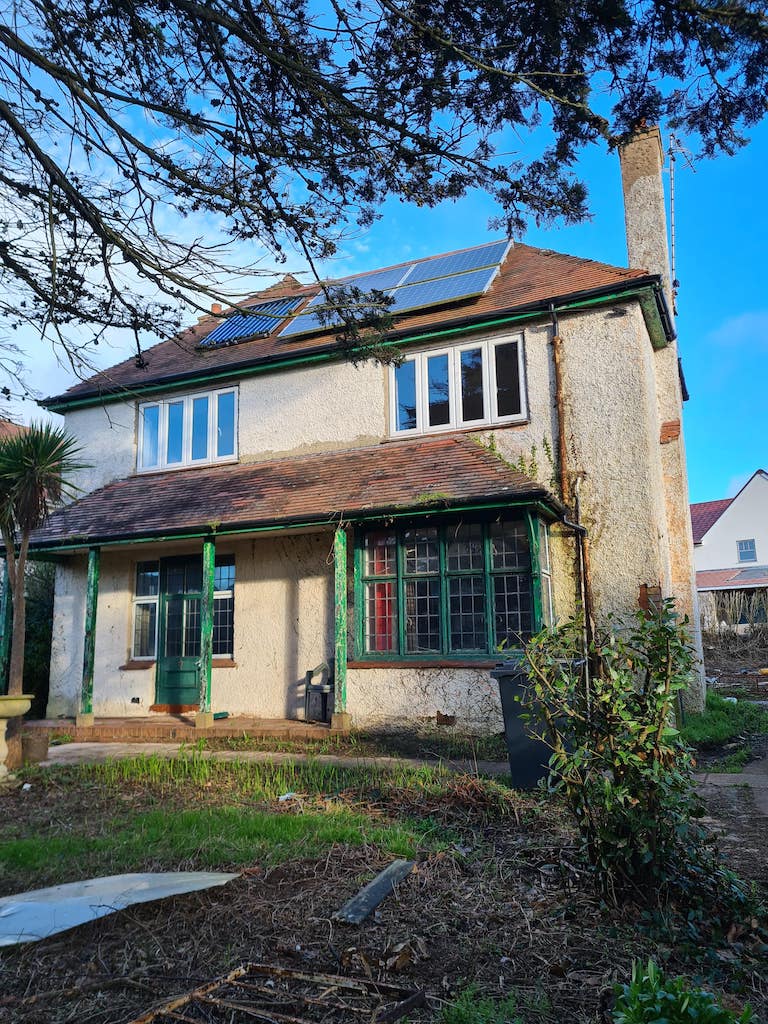
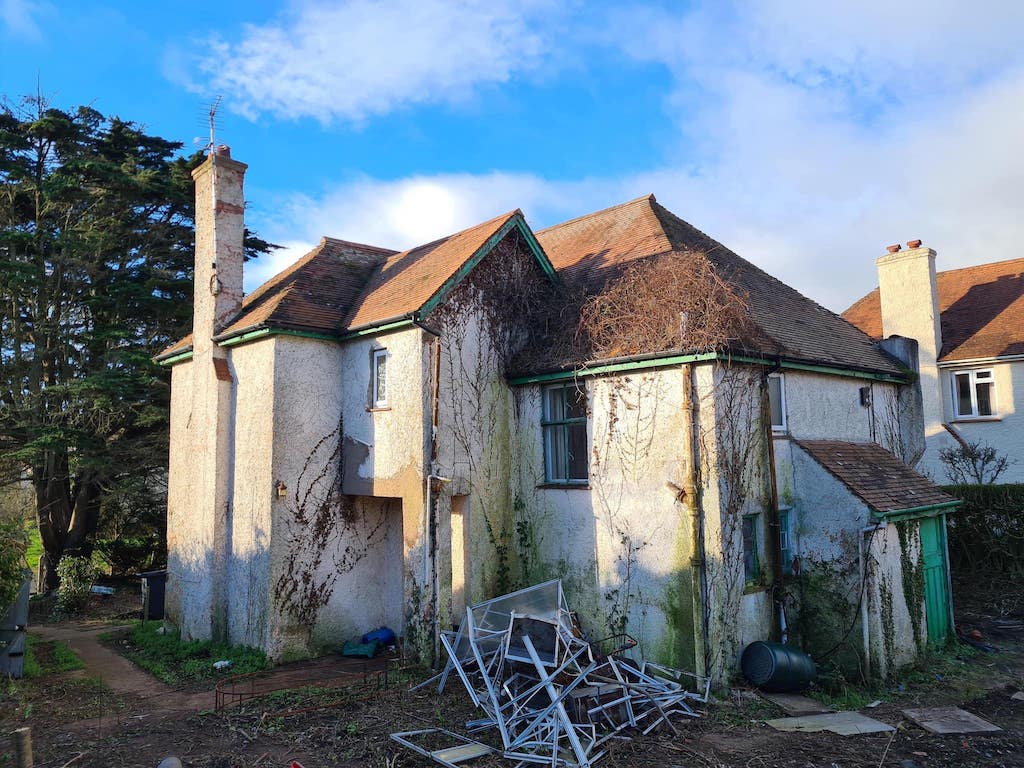
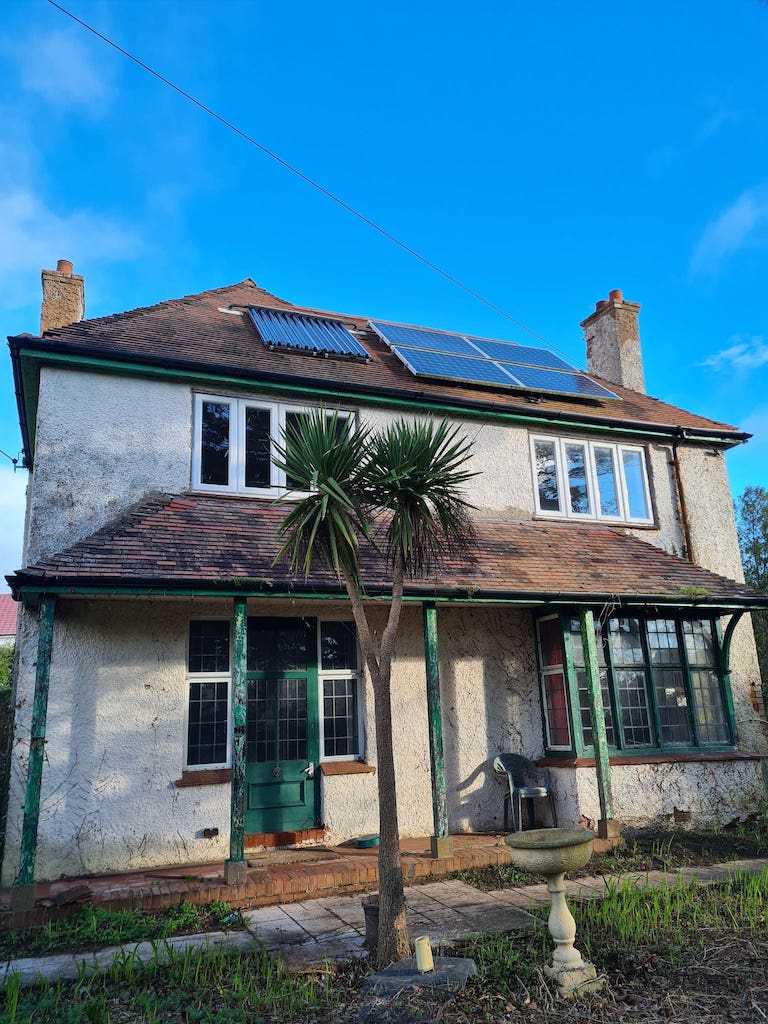
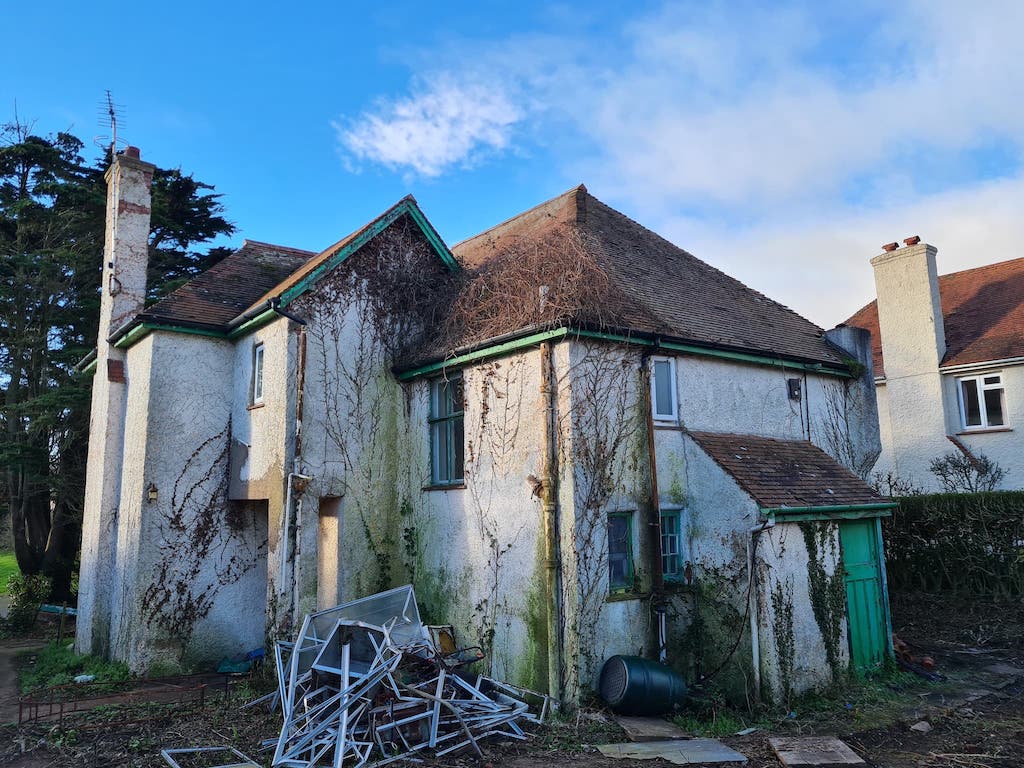
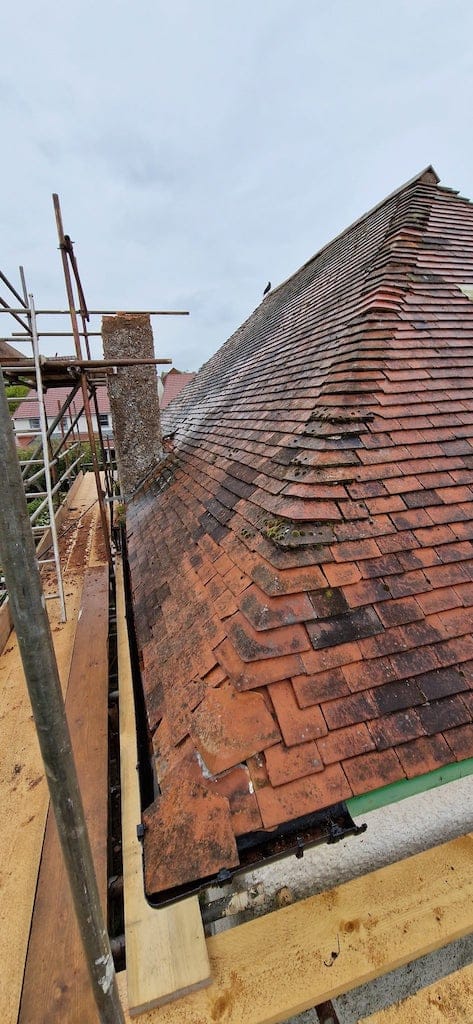
Located in sleepy yet sunny, Budleigh Salterton, east Devon. This project lays just outside the heart of the town. There’s an abundance of stunning character homes in and around Budleigh and it’s always a delight to work there.
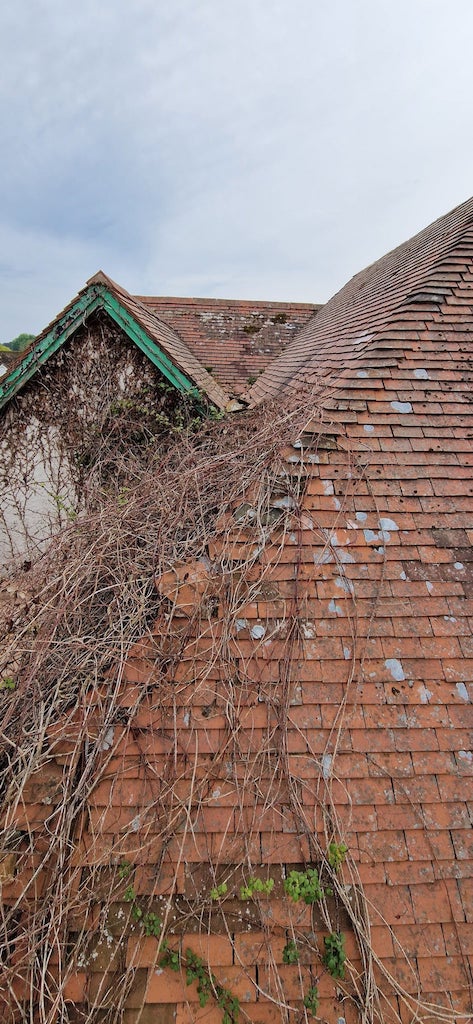
As you contour round the coast from south Devon to east Devon, you’ll notice the buildings changing from [predominantly] granite, limestone and schist structures with slate roofs to [predominantly] brick structures with clay tile roofs. Many of the bricks and clay plain tiles were made in Exmouth by the Carter family. This print is unmissable on the plain tiles and often circular saying “Exmouth Carter”.
We have completed a few projects in Budleigh over the last decade, all for the same developers whom we have built a close relationship with.
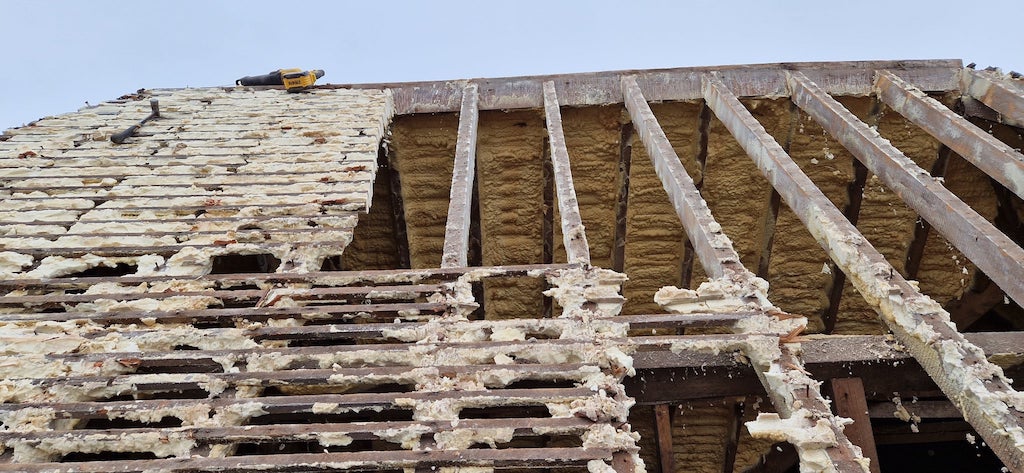
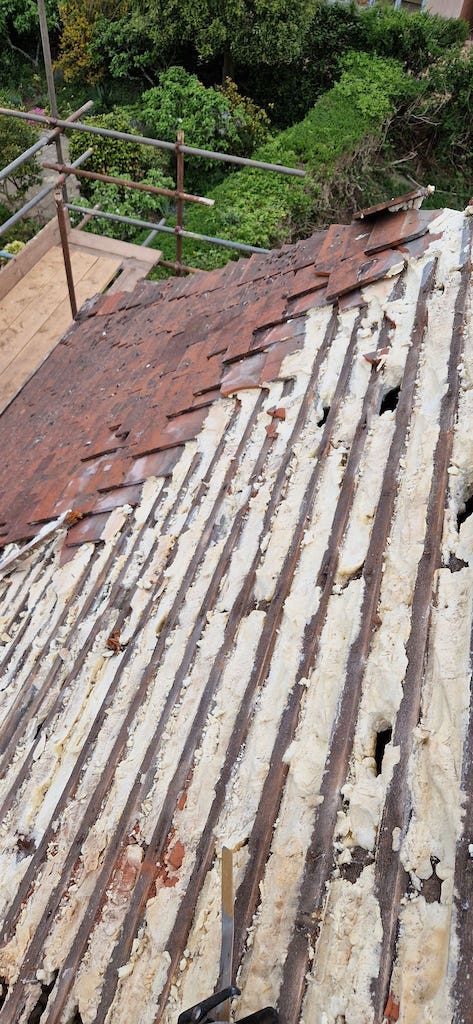
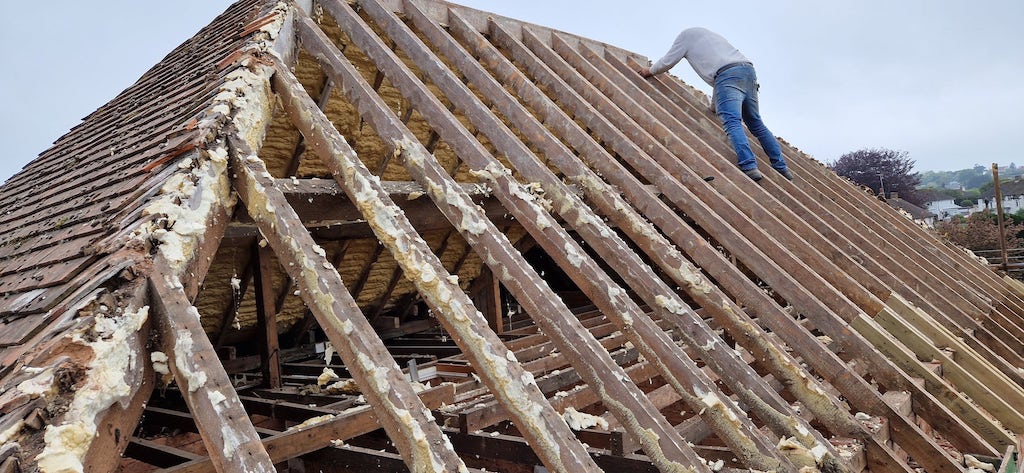
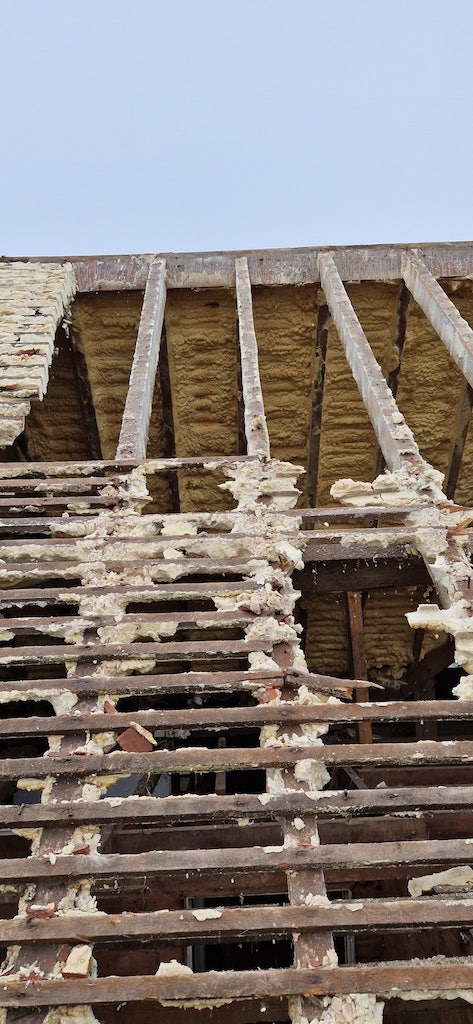
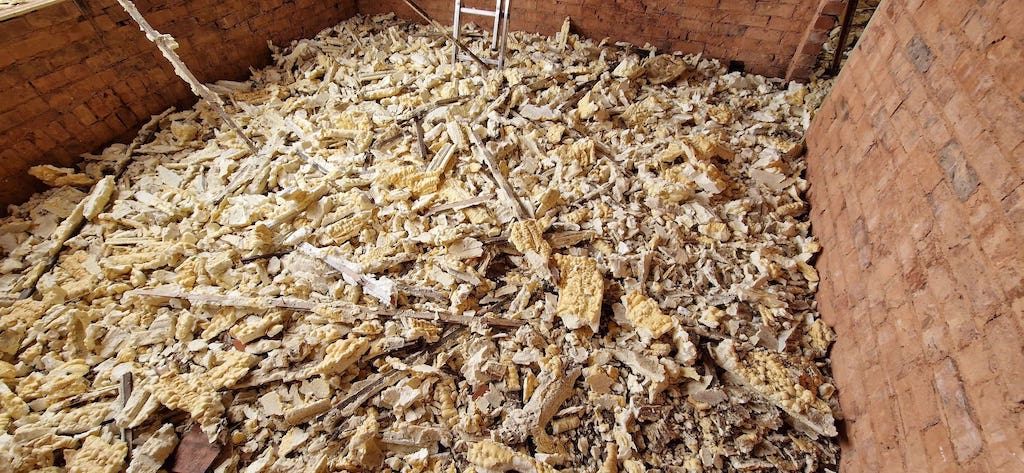
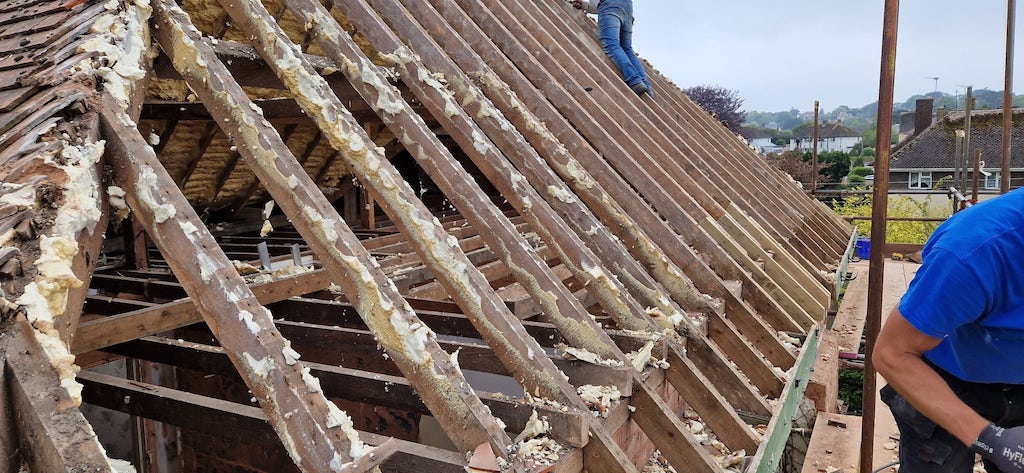
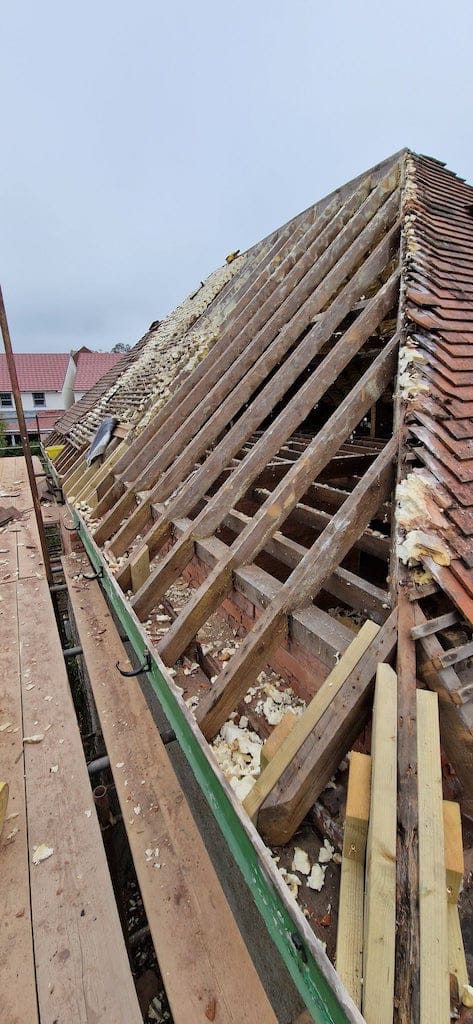
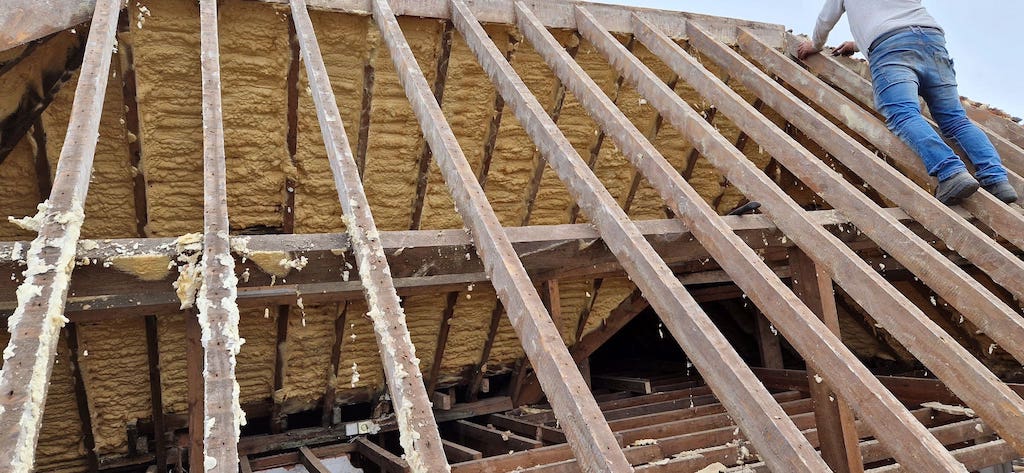
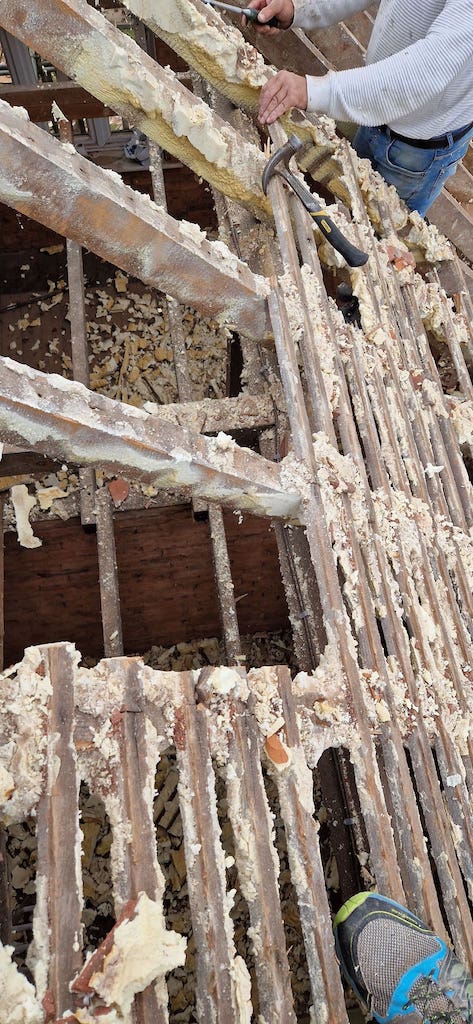
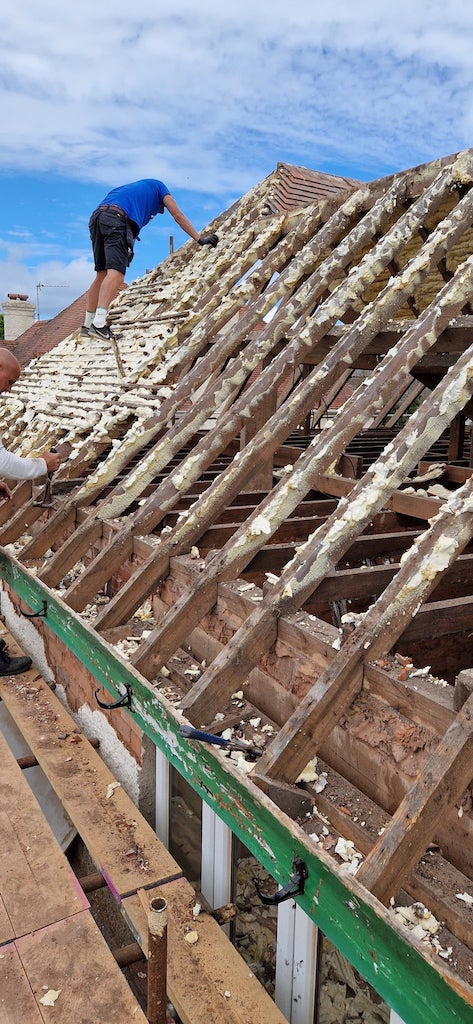
This project was one of many that had seen the treatment of spray foam insulation to the underside of the tiles and batten, bonded down in layers to the bottom of the rafters.
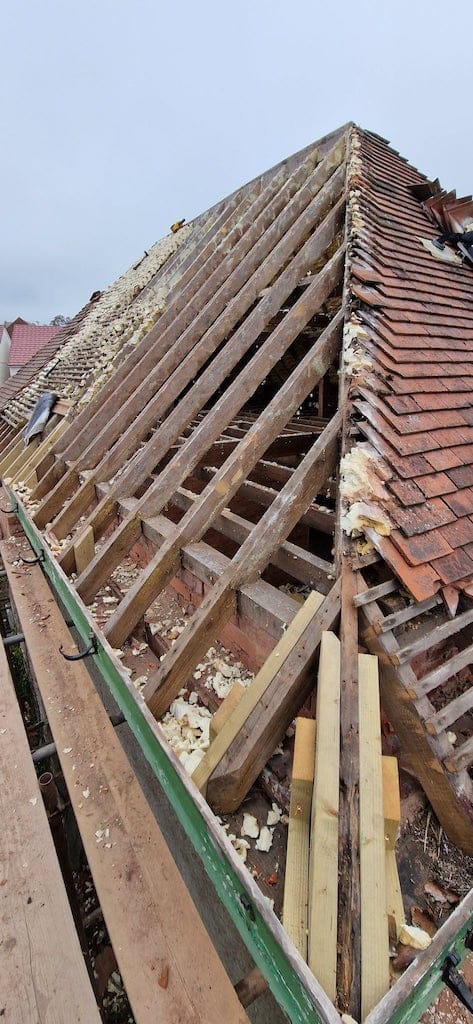
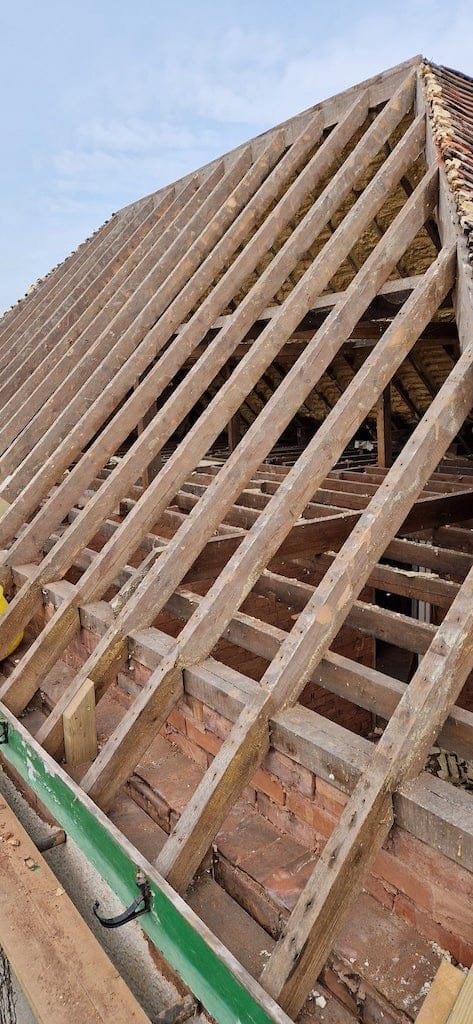
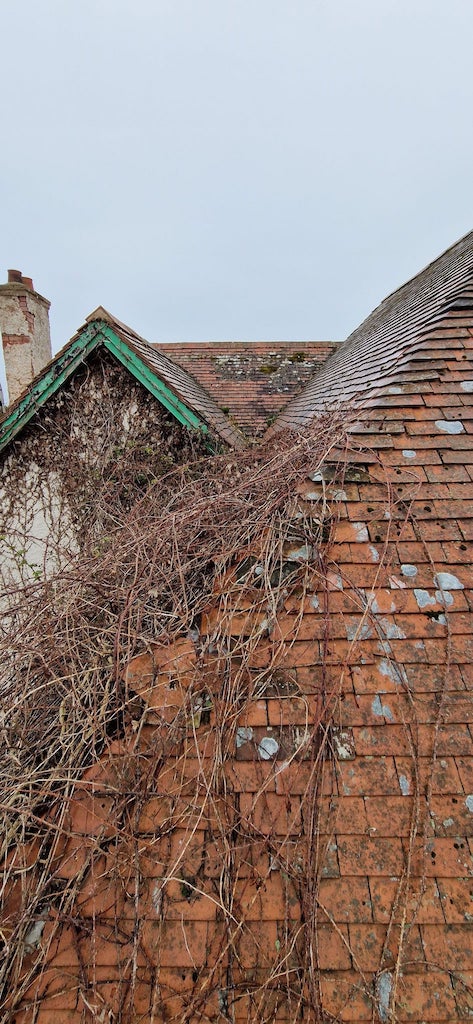
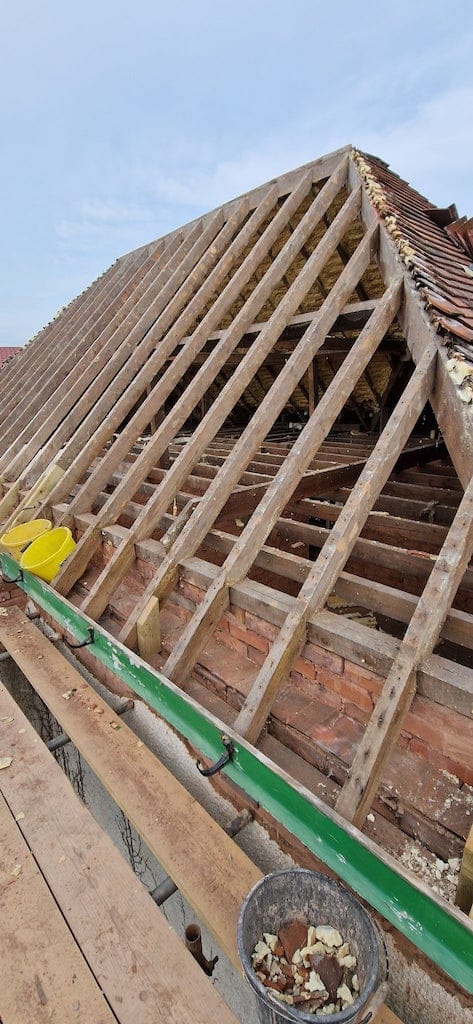
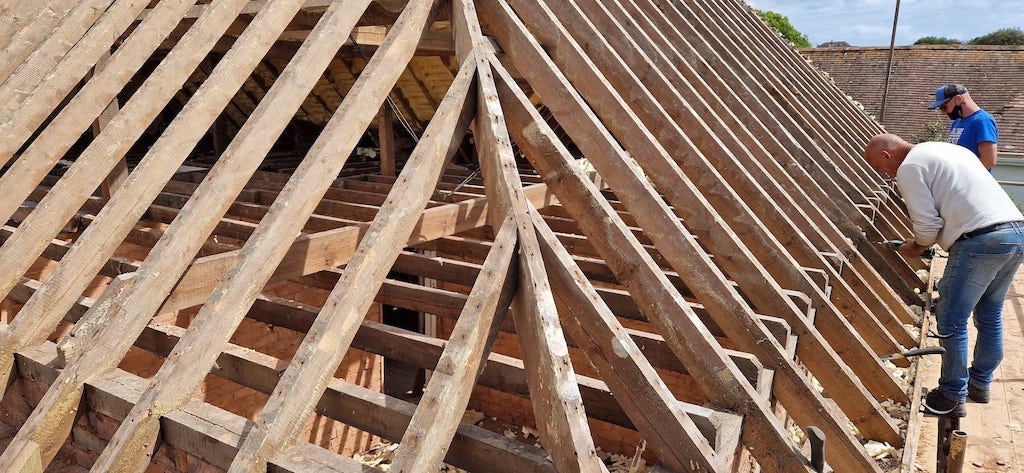
Fortunately, we caught this roof in the just in time. As the spray foam had not been completed too many years previous, the rafters were in acceptable condition. We only had to complete a few localised repairs and a couple or replaced rafters. You might say we got off lightly.
When removing spray foam, we always take it right back to the bare wood which requires a large putty knife and a lot of elbow grease. The wood needs to be free from all foam so that it can once again, breathe and not sweat, holding moisture and continuing to rot.
As the lovely Edwardian was having a full renovation from roof to ground level, we needn’t panic about waterproofing the house every evening. This was a huge relief and saved us a lot of man hours.
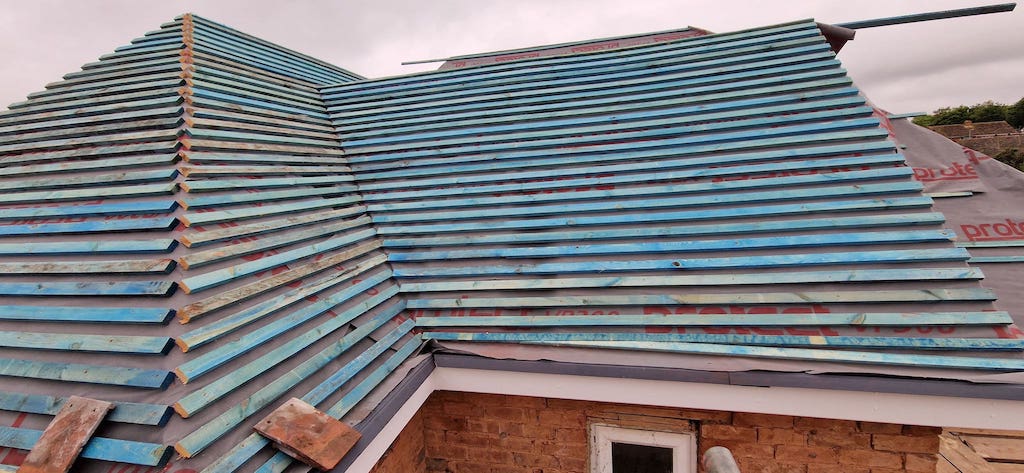
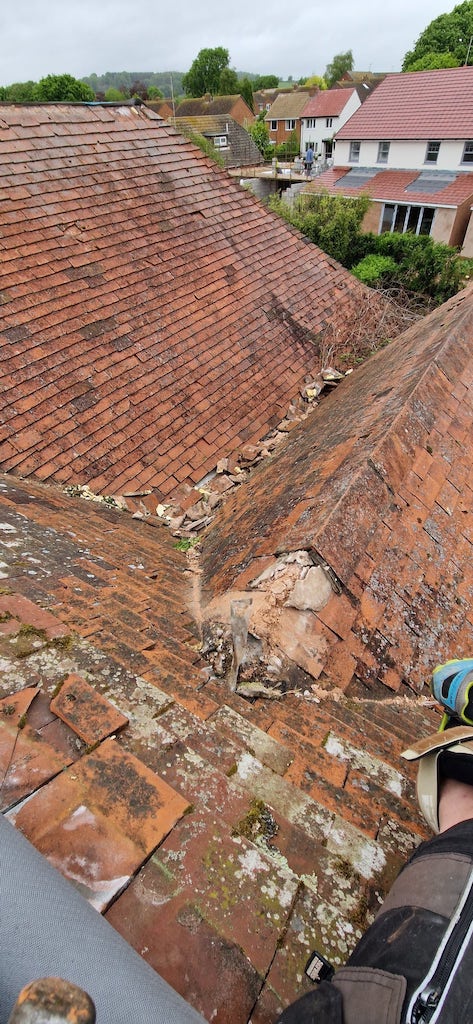
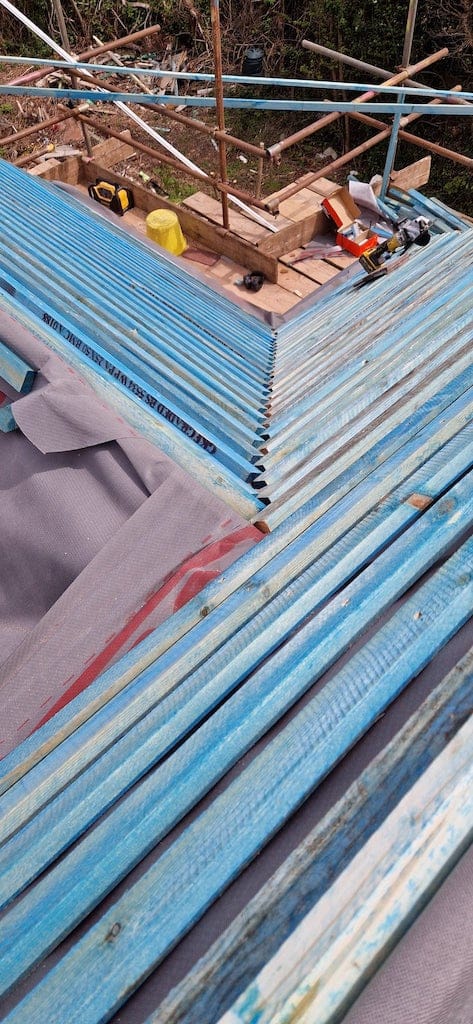
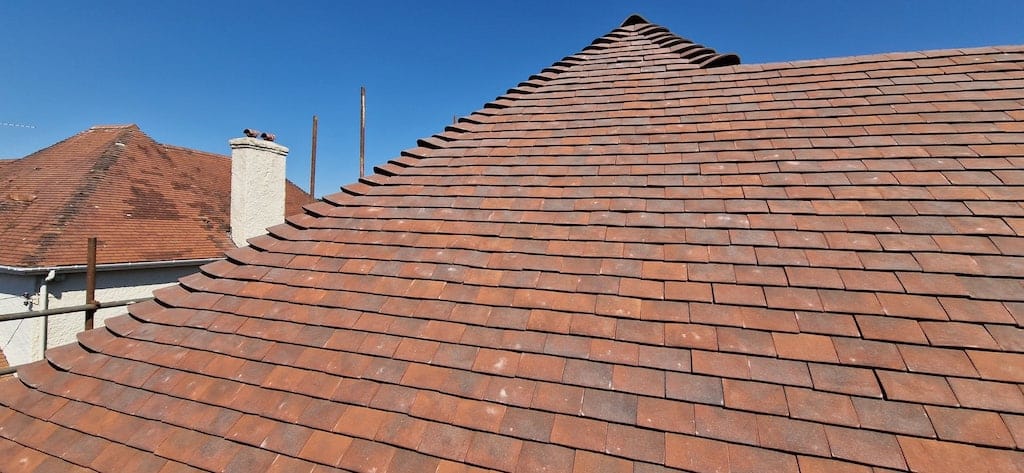
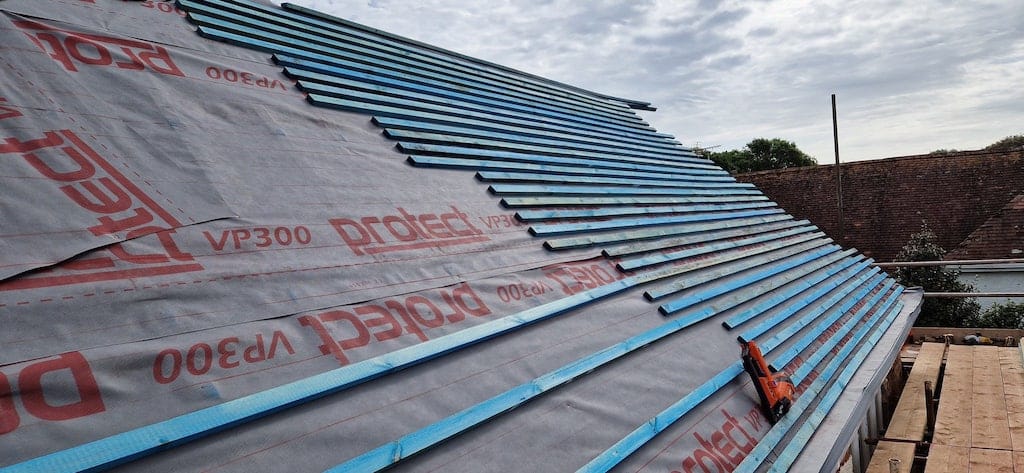
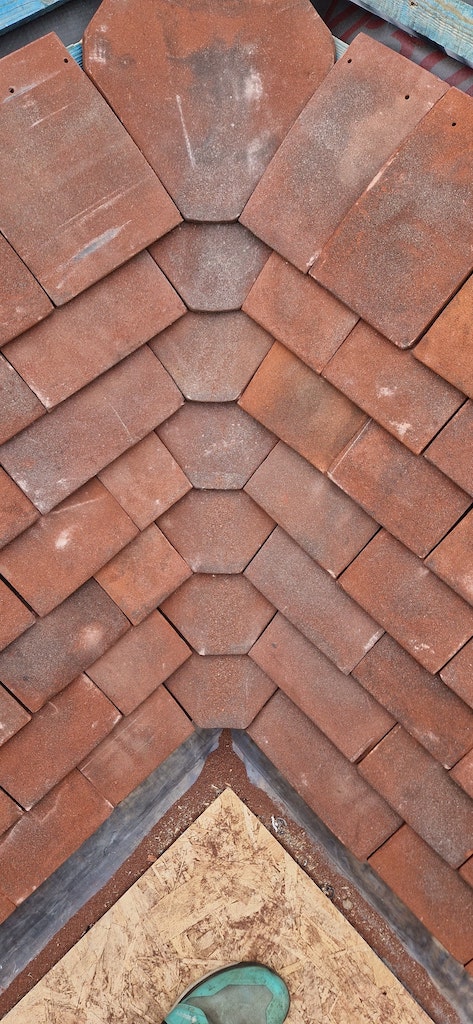
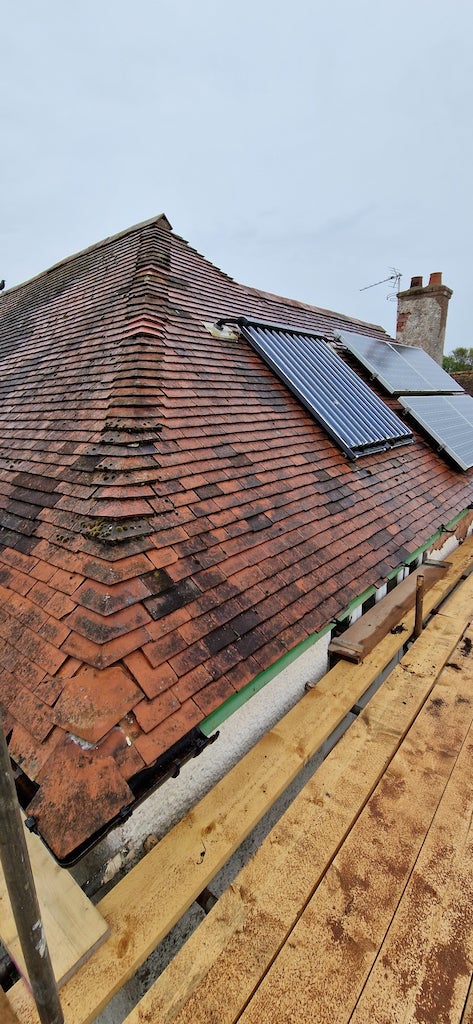
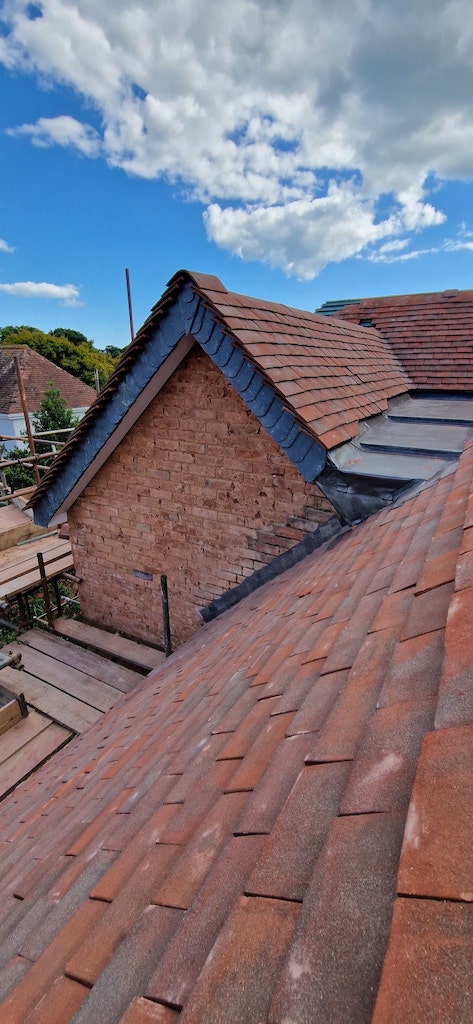
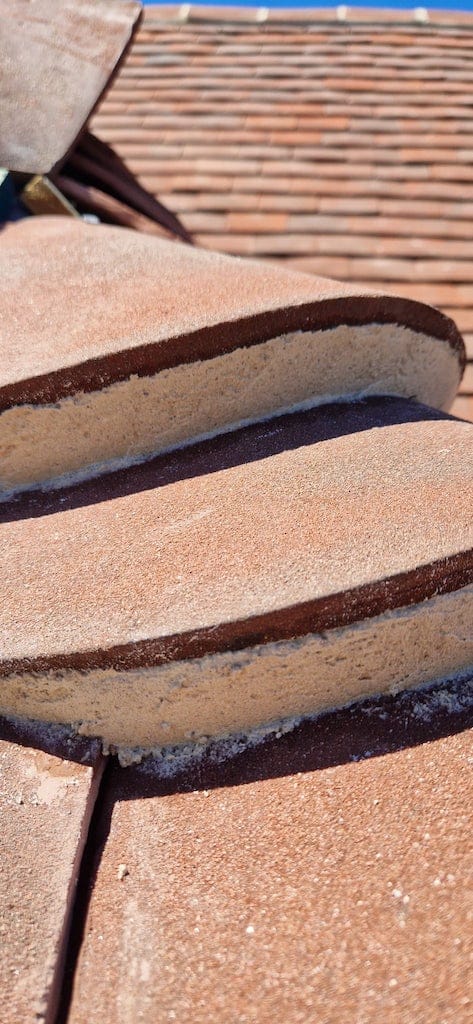
The chosen new roof covering was a heritage hand made clay tile. They’re very rustic compared with the common sibling the Rosemary tile. Rosemary’s are factory made and although have a fantastic finishing look, are a very different kettle of fish to use. They’re perfectly uniform and smooth, whereas the ‘hand-mades’ are rustic, wonky, bent and all different shapes and sizes with varying thicknesses. Aesthetically pleasing and bringing a full body look to the roof. We had a wonderful time bringing all 9 elevations together with the application of bonnet hips and valley tiles.
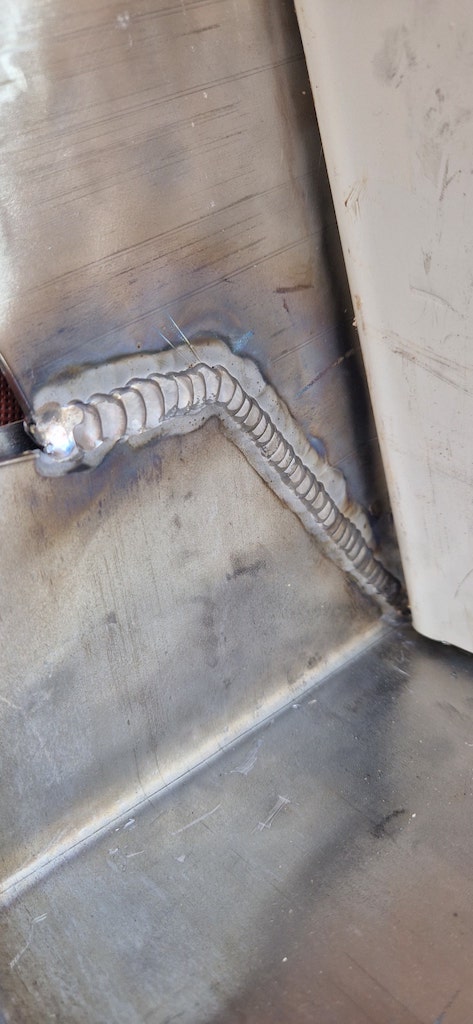
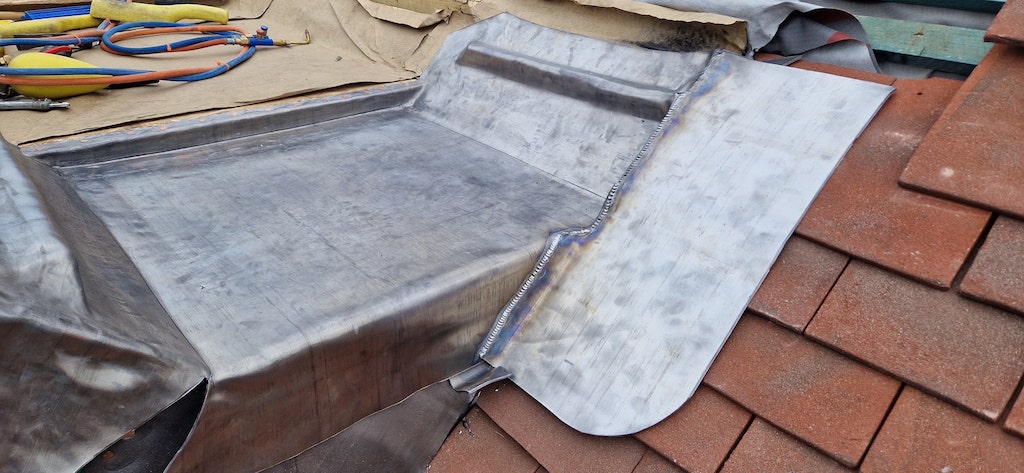
The previous lead tapered gutter was architecturally not sound and was failing miserably. It was well over 3 meters long and only 150mm at its widest point. We completely redesigned the gutter into 3 separate bays, almost 6 times the width of the previous one. This now has a large surface area to, not only displace the water from 3 elevations, but is also accessible to walk-on safely for future maintenance.
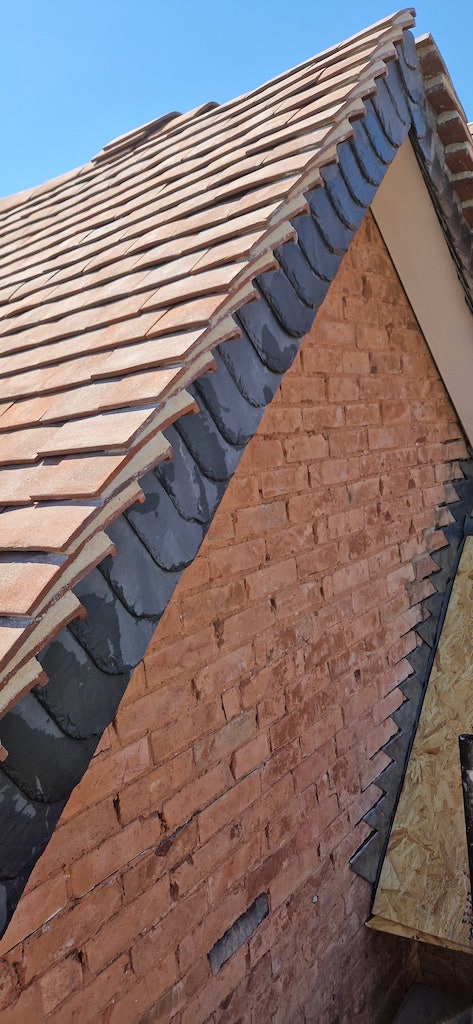
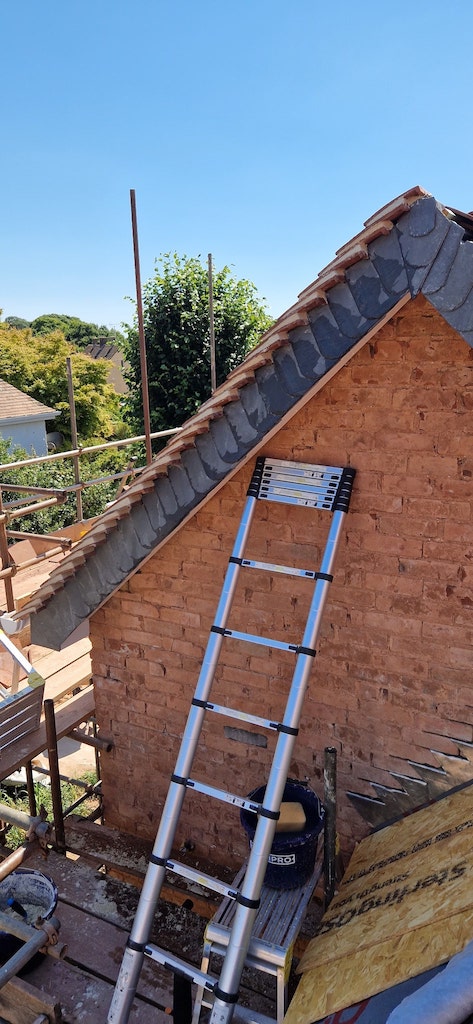
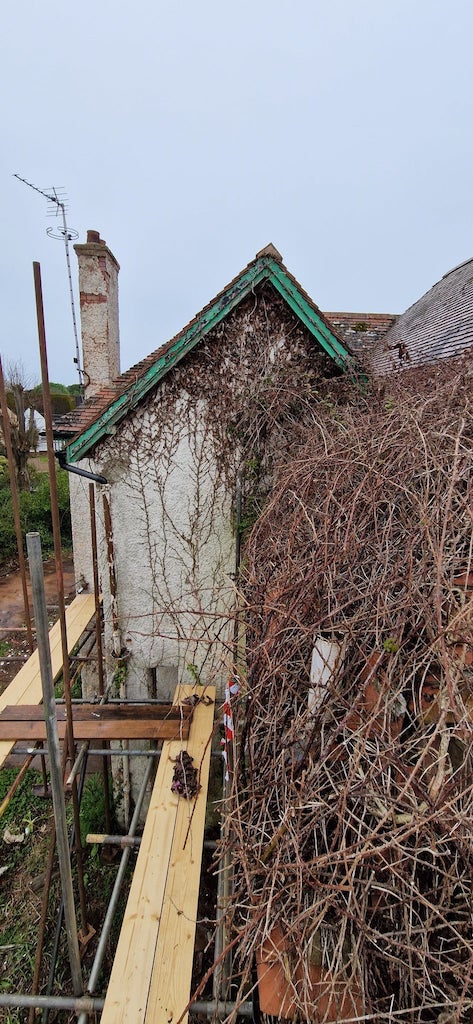
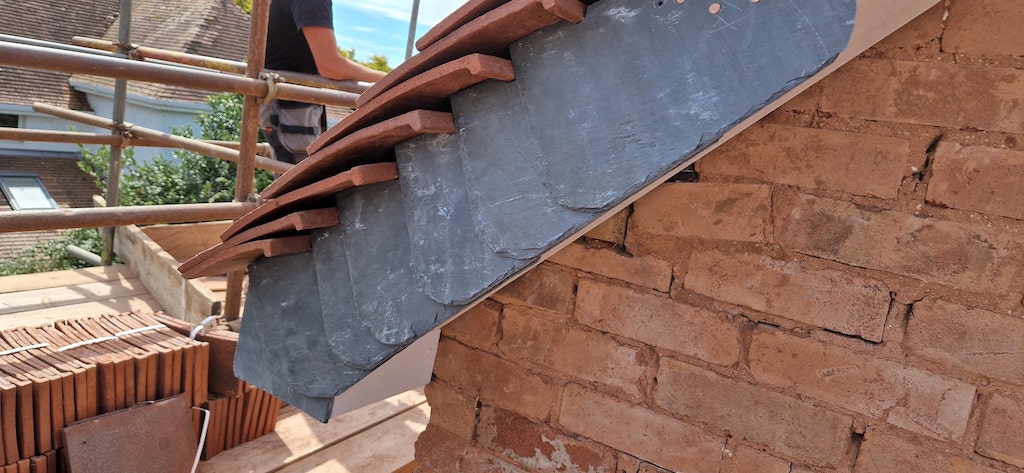
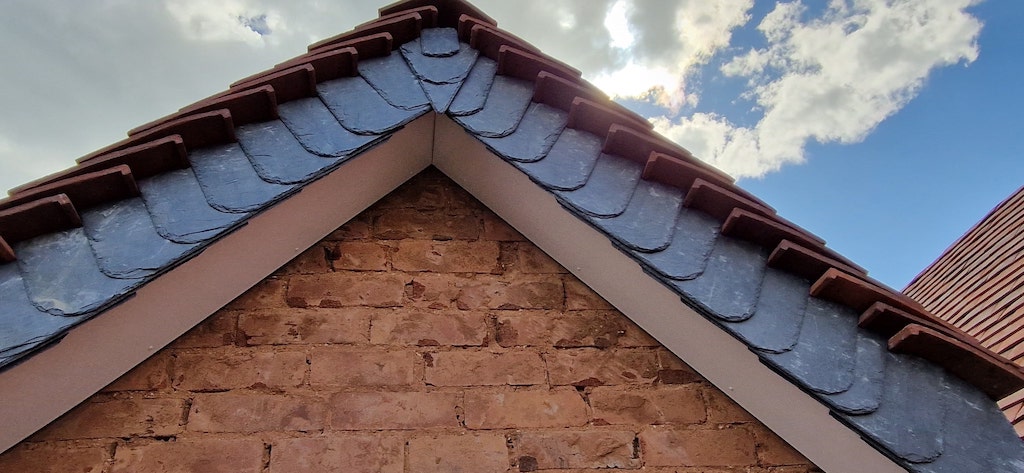
Being a roof with many valleys and hips, it was a treat to complete just one lonely gable to the rear. The Edwardians really knew how to build pretty things so we thought we would try something new on the gable to show off some of the ‘Carolean’ Era skills and techniques.
We often cut hanging slate to finish our gable ends. A solder course or two completed in a few different systems to provide an aesthetically pleasing, highly functional and maintenance-free barge board.
So, we thought why not use some of our gorgeous Welsh Cwt-Y-Bugails to finish the verge? It turns out that the contrast between the Grey/Blue slate and the Rustic Red tiles was rather pretty. It’s the first time we completed this detail and its highly likely that this detail has not been completed anywhere before, certainly in the UK. We were incredibly proud that our clients and indeed the homeowners liked the detail as much as we did.