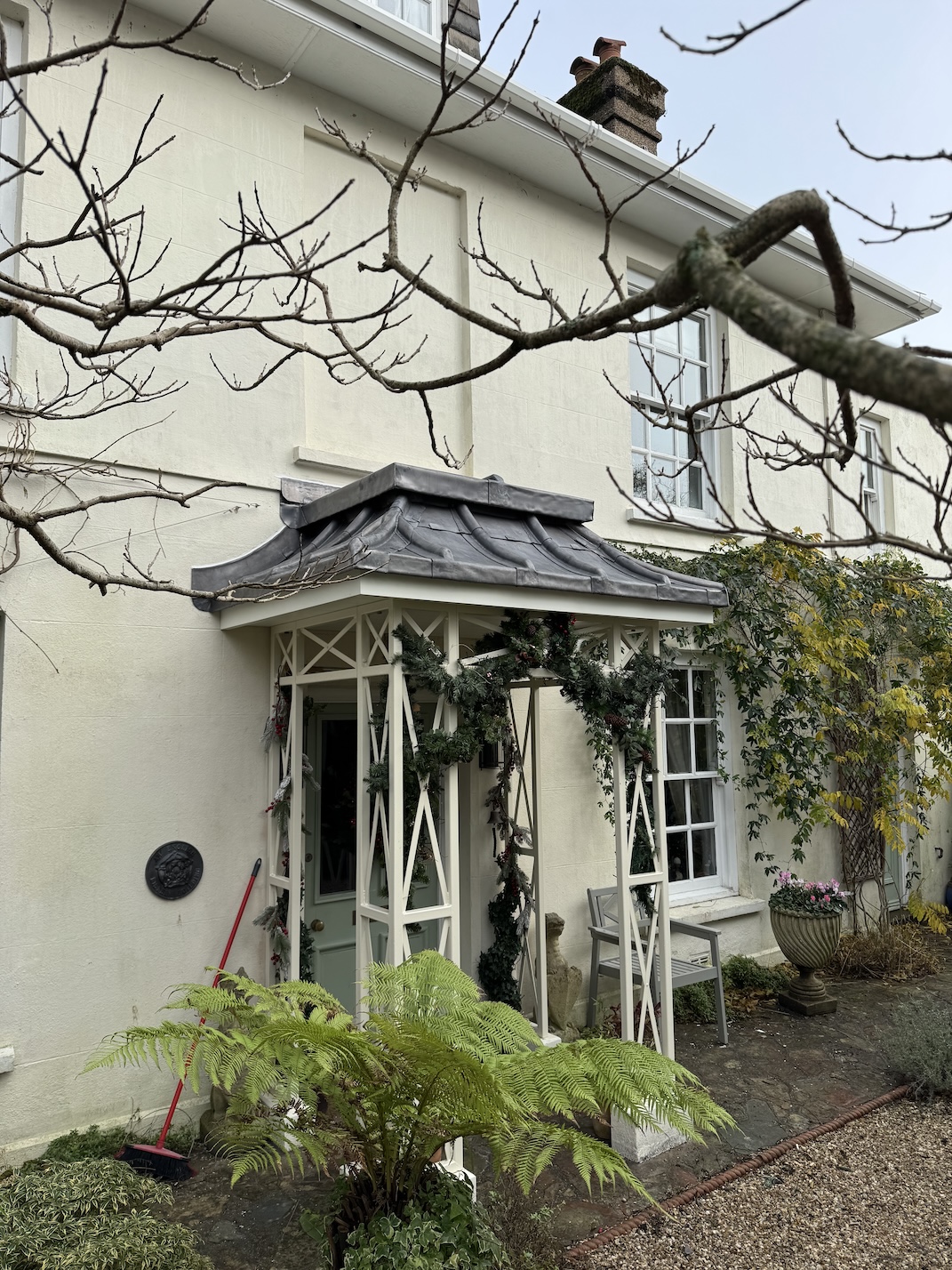
This Georgian lead canopy project was one of those jobs that really made us think. Loads of detail, loads of fiddly bits, and probably more craftsmanship packed into a cubic meter than anything else we’ve worked on. But honestly? We wouldn’t have had it any other way.
The job started with an architect’s drawing—just a basic outline of the canopy and the powder-coated steel frame that would hold it up. No detail on the leadwork, no guidance on how to get it looking just right. That part was left to us, which, let’s be honest, is how we like it.
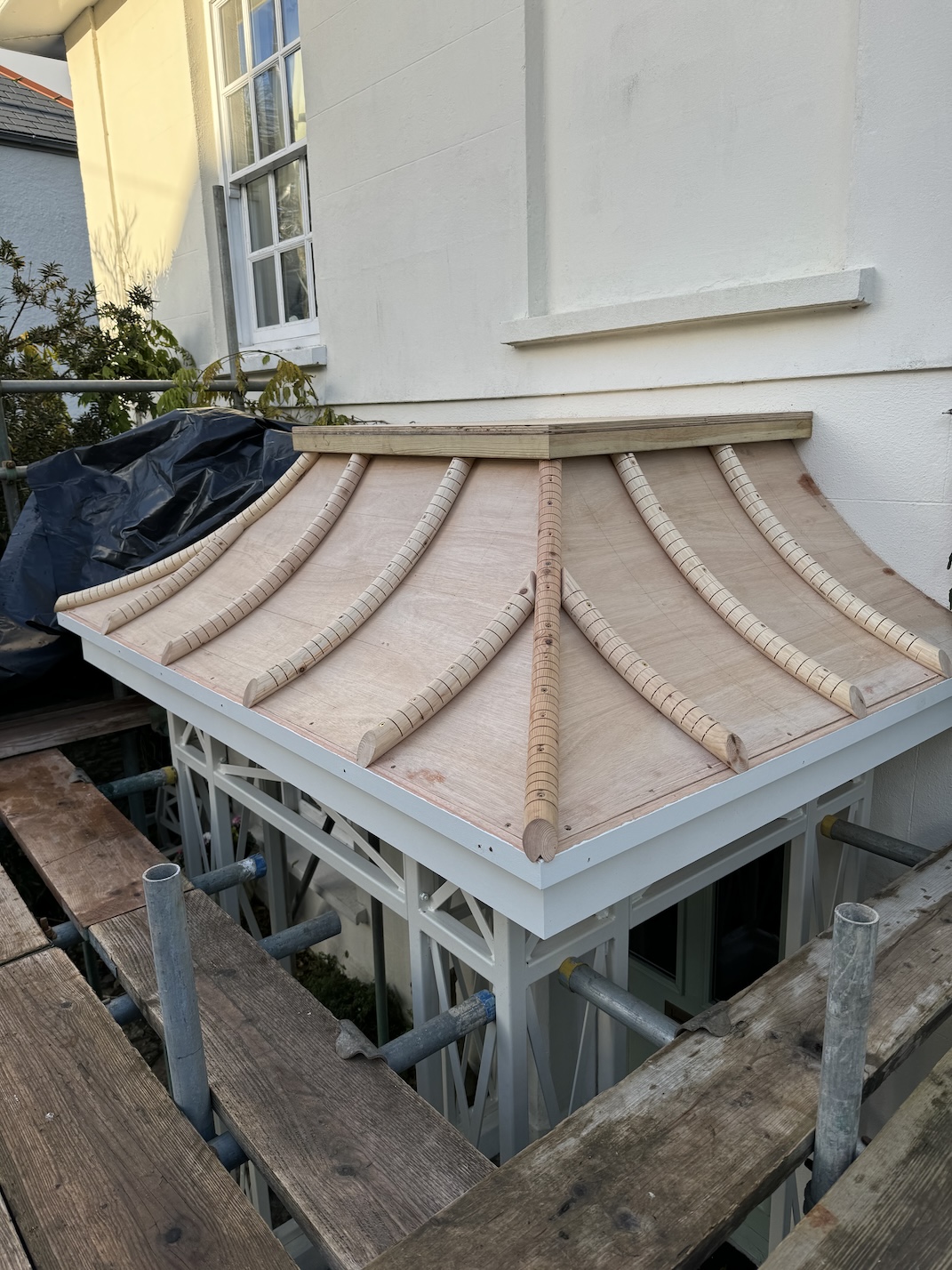
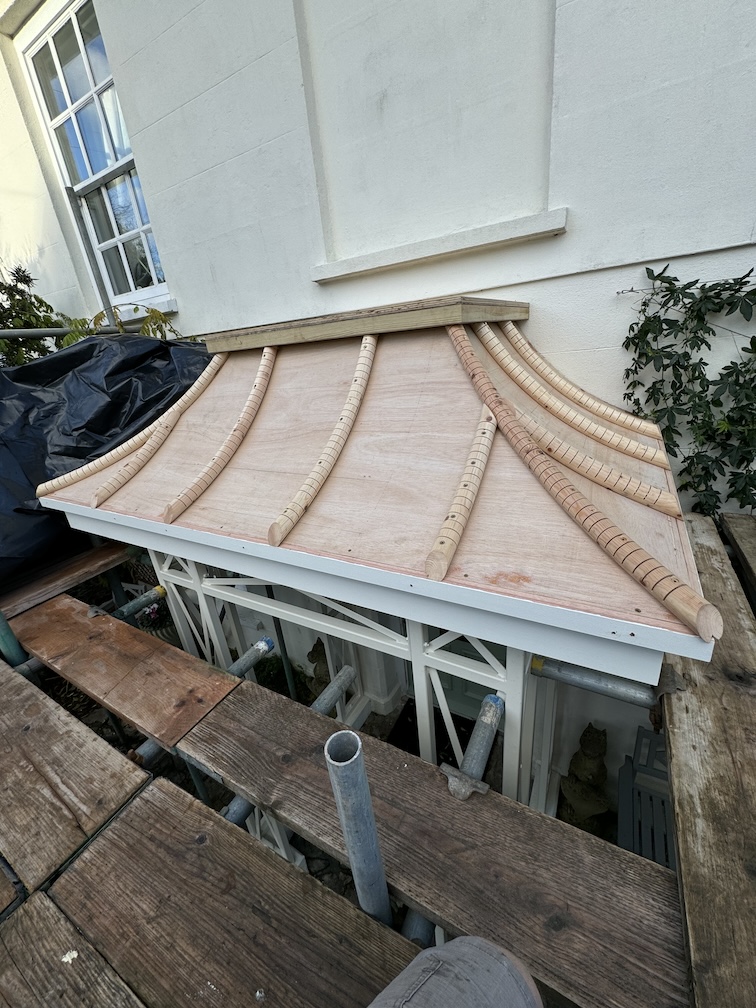
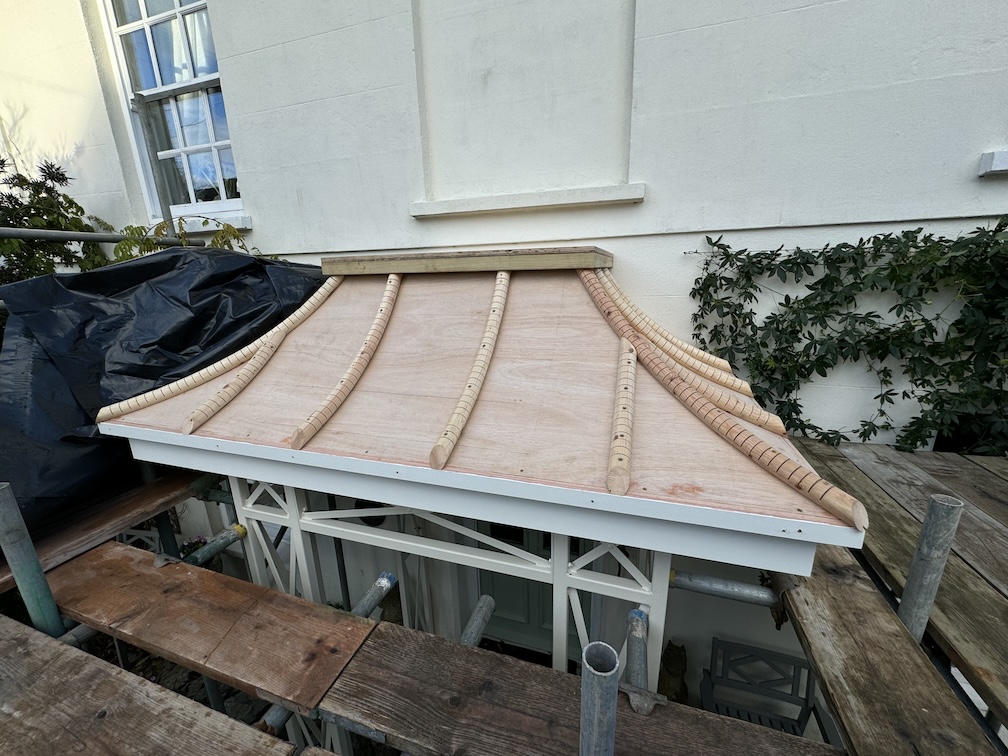
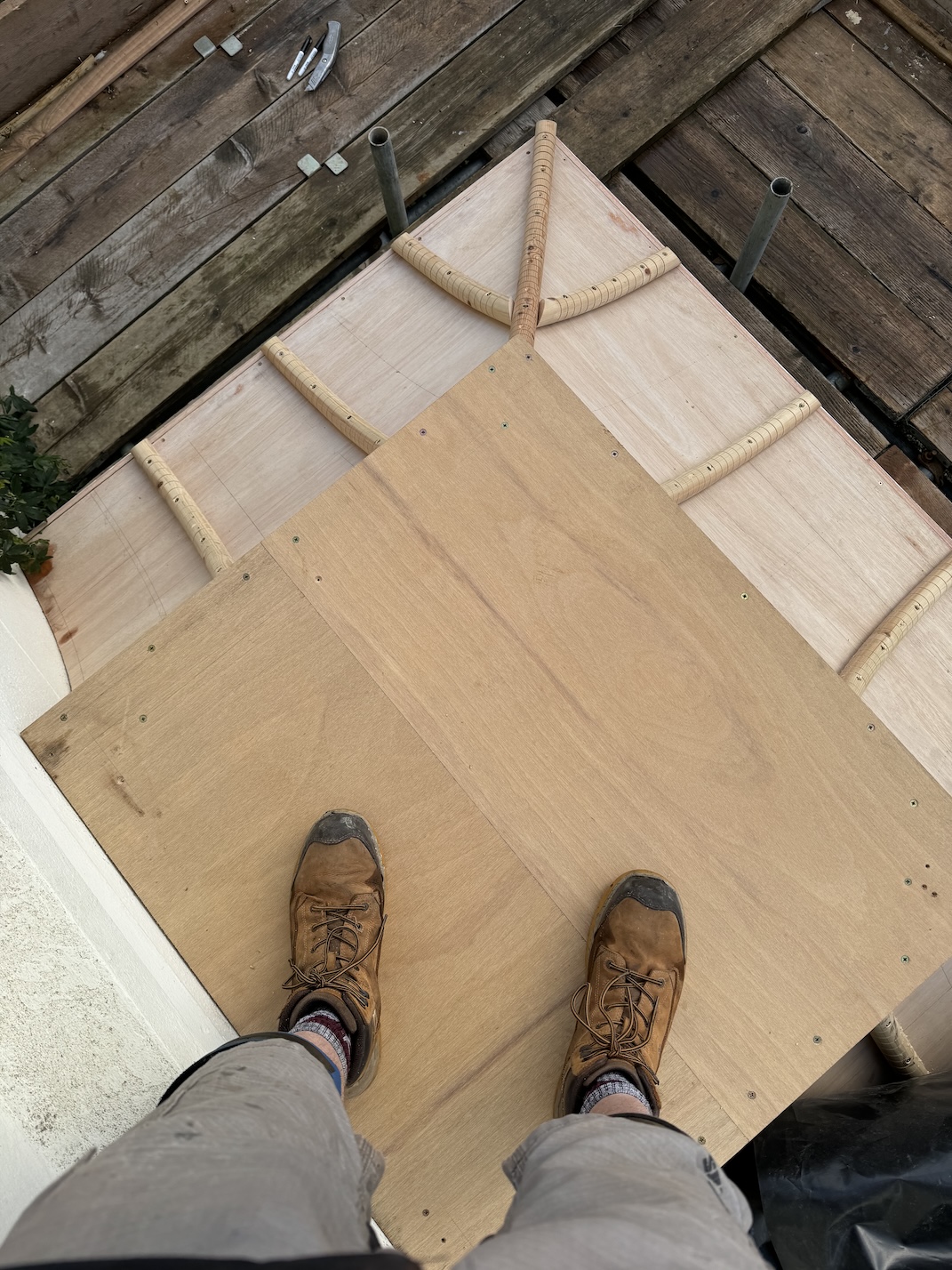
The first challenge? The bay sizes. They fell awkwardly between standard sizes—either a bit too big or a bit too small. We decided to go smaller, which meant more work, more detail, and more precision. But it paid off in the end.
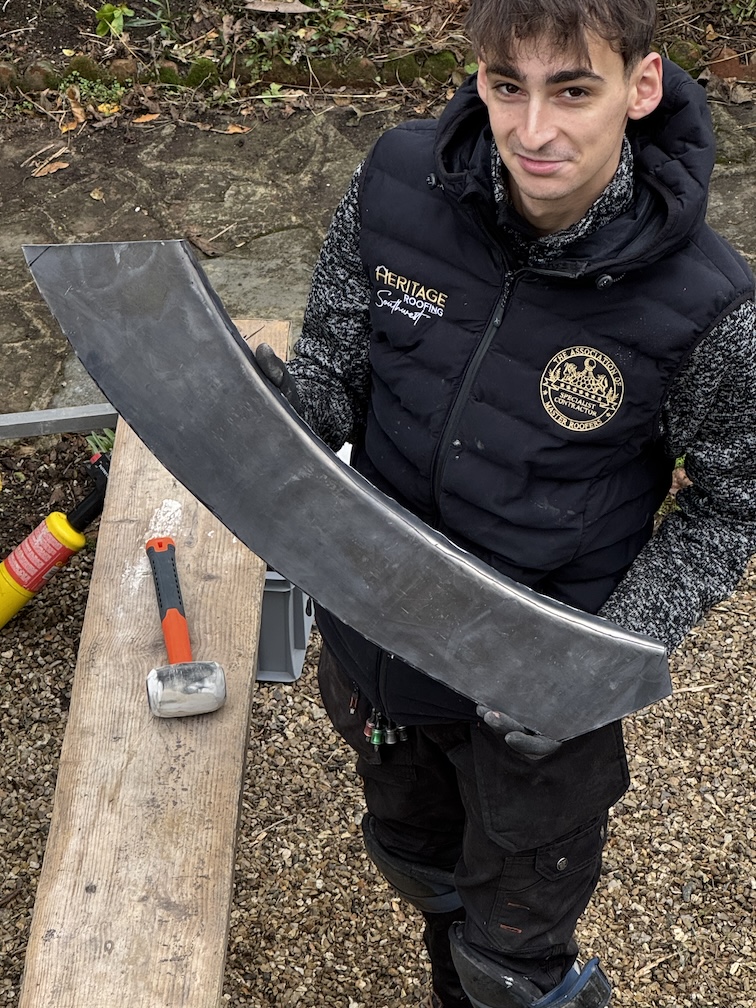
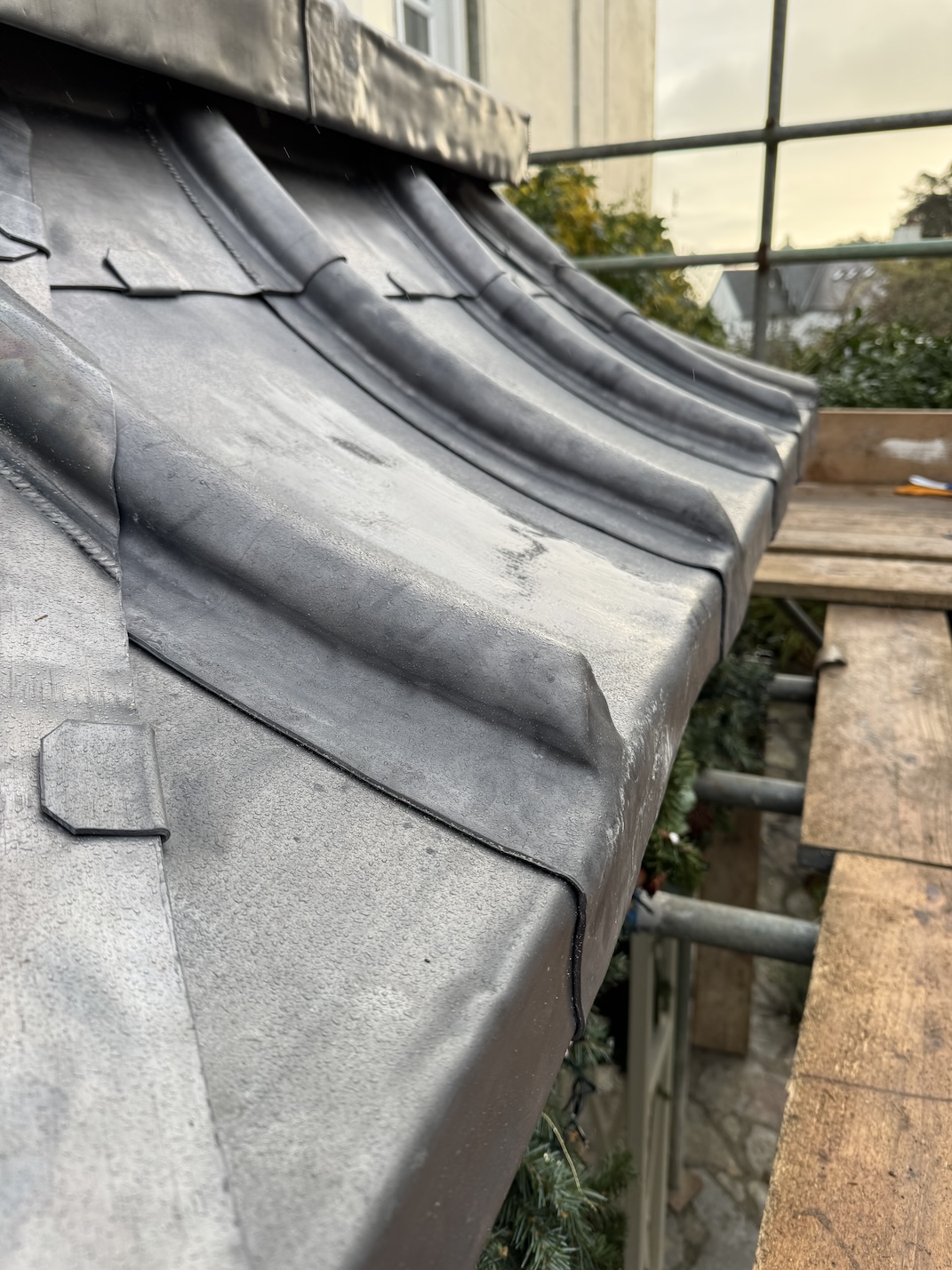
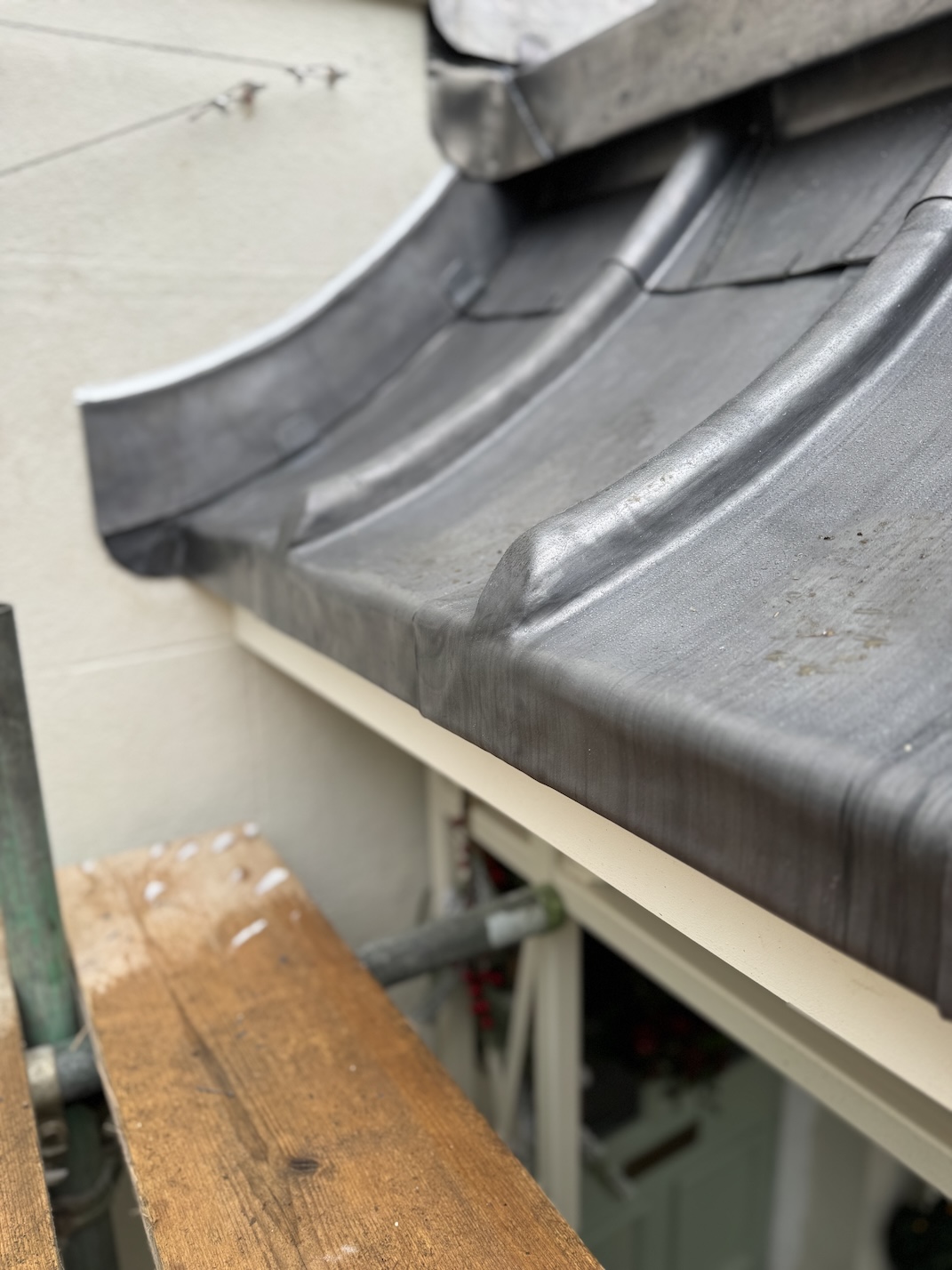
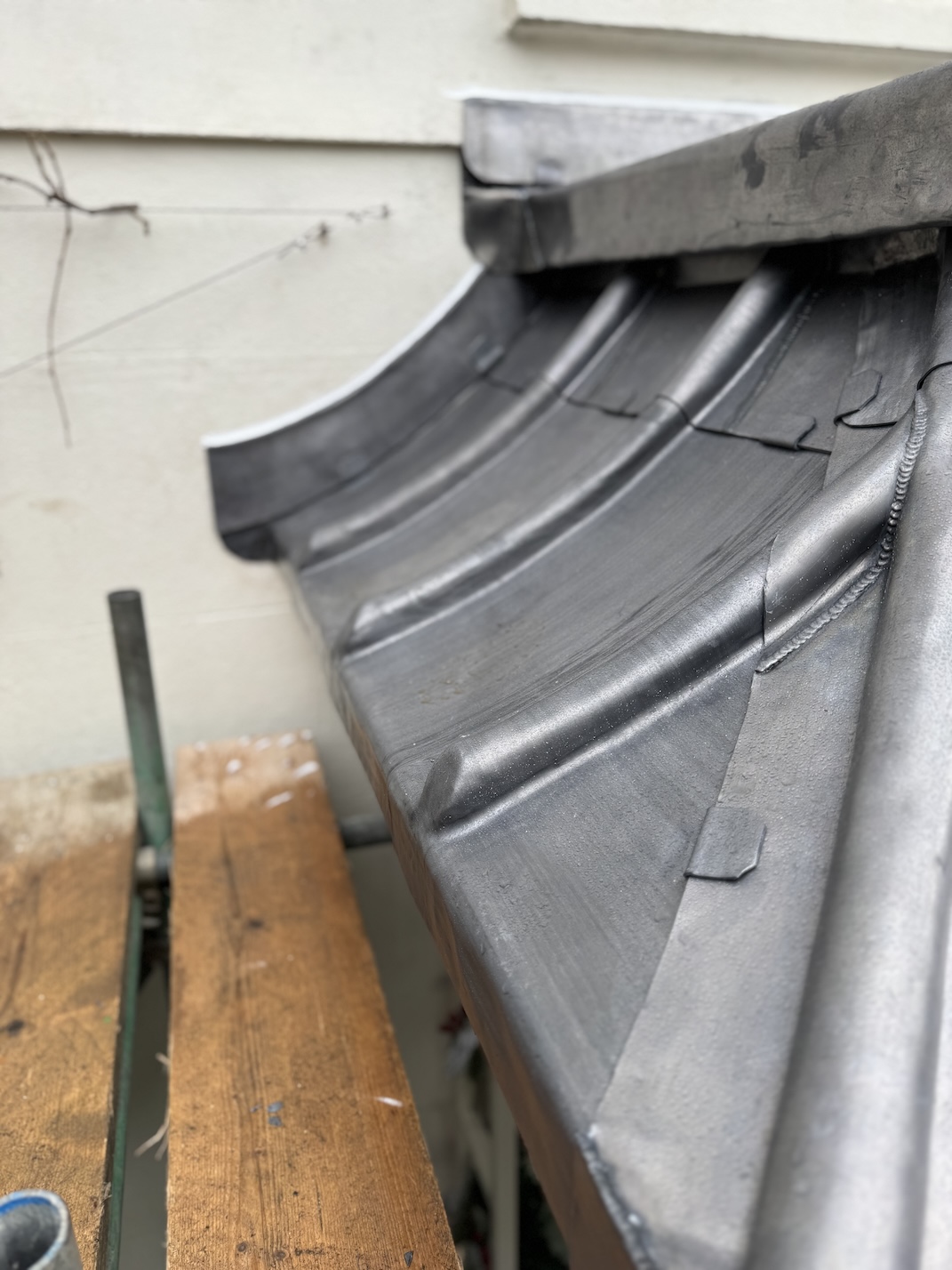
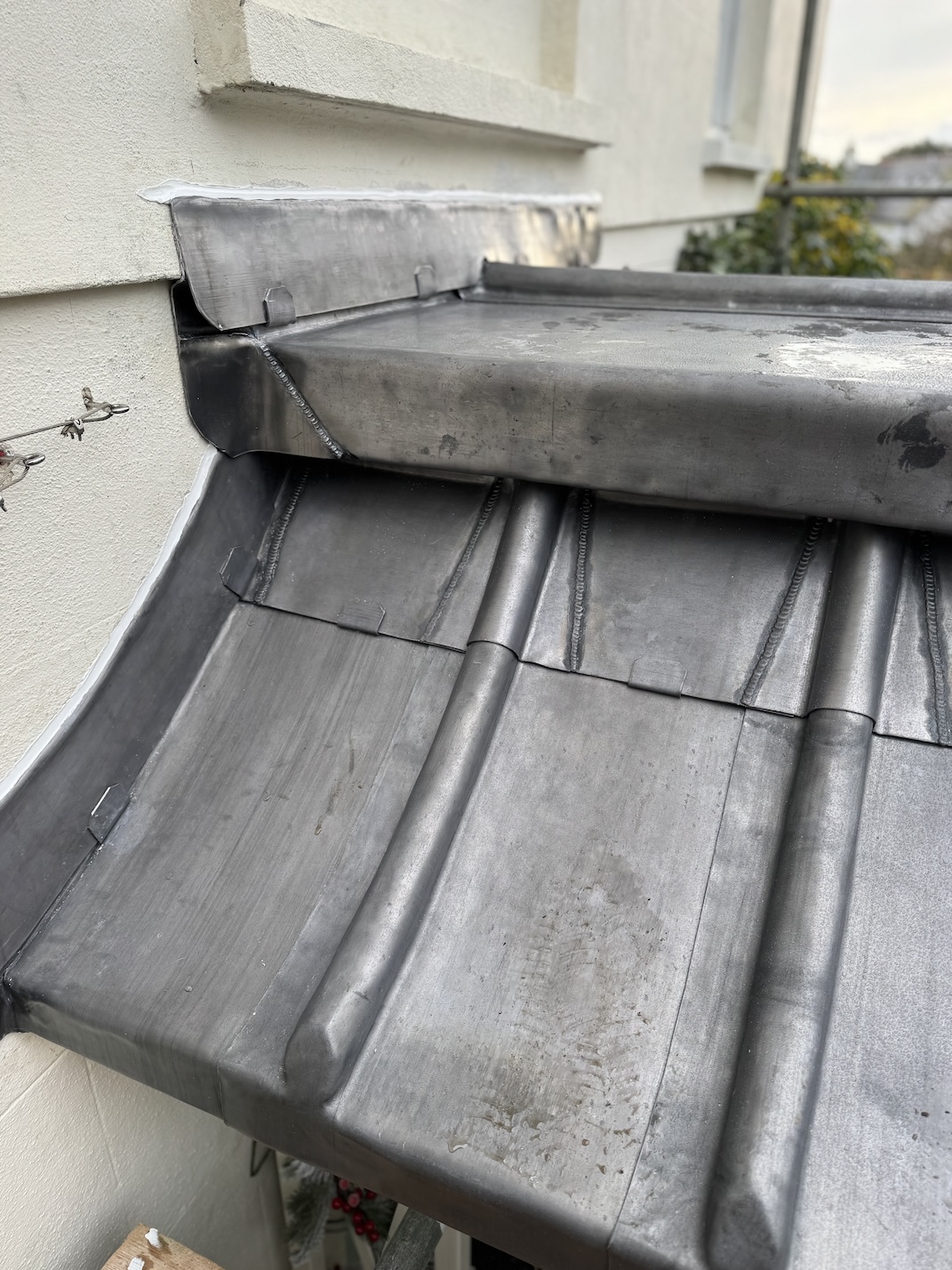
We went with code 6 lead for the covering adding relief cut mopsticks to separate the bays and give it that proper traditional look. It’s a bit of extra effort, but it makes all the difference when it comes to the finish.
Location: Dartmouth, Devon
Dartmouth is packed with history and character, and this project was no exception. The town is full of Georgian buildings with all the charm and quirks you’d expect from architecture of that era. Getting the lead canopy right wasn’t just about making it watertight—it had to look like it had always been there. That’s the kind of work we take pride in.
How We Did It
- Sizing it up – We adjusted the bay sizes to get the proportions spot on.
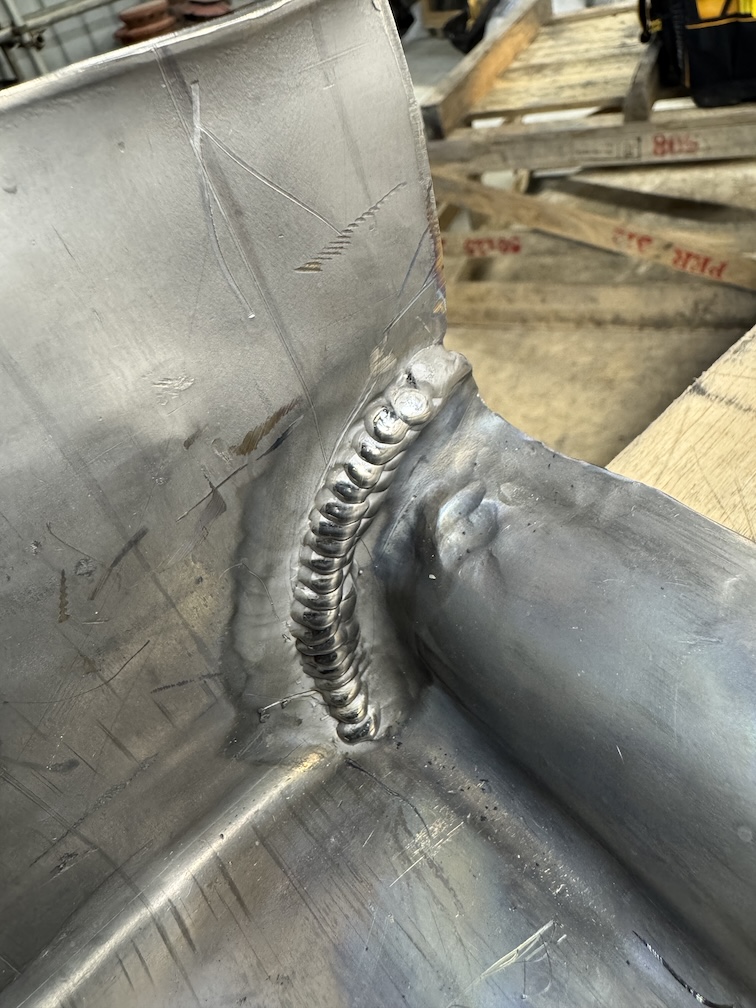
- Leadwork – Code 6 lead, hand-shaped and fitted to follow traditional methods.
- Mopstick detailing – A must for that classic Georgian look.
- Steel Frame Installation – Powder-coated steel, giving the canopy the strength it needed without taking away from the traditional feel.
The Challenges
Leadwork is all about precision. Get your measurements wrong and suddenly the lead isn’t sitting how it should. The smaller bay sizes meant we had to be extra careful, making sure every piece was cut, folded, and fitted perfectly.
Why Lead?
Lead has been used in heritage roofing for centuries, and for good reason. It lasts. Done properly, it’ll be there long after the building itself. It’s flexible enough to handle movement in older buildings, and it weathers beautifully over time. For a project like this, there was no other choice.
Final Thoughts
This job was a proper labour of love. The extra effort with the bay sizes, the attention to detail with the mopsticks, and the care taken with the leadwork—it all added up to a cracking result. The canopy looks like it’s always been part of the building, which is exactly what we set out to achieve.
If you need a heritage roofing specialist who knows their way around traditional leadwork, give us a shout. We love a challenge, and we love making old buildings look their best.